
24/7 Customer Support

Free returns

Same-day & Next-day Delivery

Quality Guaranteed

Unlock Your Welcome Offers: FREE Delivery | Up to 80% OFF | Free 30-day JoyPlus trial
Download the APP
Buying art and craft supplies can quickly become expensive, particularly when a product looks versatile online but proves unsuitable for the project. Parents may find that a children’s set lacks storage or uses messy materials, while adult artists can discover that thin paper buckles or that pens bleed through pages.
A few common buying traps are worth checking before you place an order:
Paper weight is usually shown in gsm, meaning grams per square metre. It is a useful guide to thickness, although surface finish and fibre composition also affect performance.
If you are buying a watercolour paper pad, check whether the product is specifically intended for wet media rather than assuming that a heavier sheet will behave like specialist watercolour paper. For markers, use paper described as paper-friendly where possible, and test a spare page before starting a finished drawing.
A sketch pad, drawing journal or scrapbook pad should match the way you intend to work.
A4 is convenient for schoolwork, botanical studies and larger illustrations. Compact 6 x 6-inch pads are easier to store and suit greeting cards, small collages and scrapbook layouts. A 12 x 12-inch pad provides more space for traditional scrapbook pages but needs a larger storage area.
Page count also matters. A 15-sheet watercolour pad may be appropriate for occasional studies, whereas a 50-sheet sketch pad or 64-sheet drawing journal is more suitable for regular practice. For travelling, a bound drawing journal can keep loose sheets together and reduce the need for a separate portfolio.
For colouring pens and dual-tip brush pens, look at the actual nib sizes and ink type rather than relying on colour-count claims. A flexible brush tip supports broad strokes and lettering, while a fine liner is useful for outlines and small details.
The Ohuhu 60 Colours Colouring Pens set contains 59 colours and one colourless blender, with a 0.4mm fineliner and 1–5mm brush tip on each pen. Its water-based ink is described as acid-free and paper-friendly, and the pens carry ASTM D-4236 certification. Replace caps firmly and store pens horizontally to help reduce drying.
For children’s products, check the recommended age, stability and safety information. The AIYAPLAY easel is listed for ages 3–8, carries an EN71-1-2-3 safety standard reference and should still be used with suitable supervision, particularly when chalk, markers or small craft items are involved.
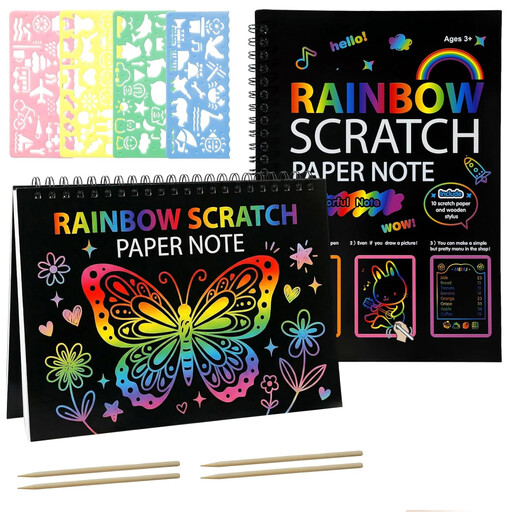
Why This Fits Their Persona: A straightforward option for children who want an immediate, screen-free creative activity without assembling a larger workstation.
The two-book format gives a clearer indication of quantity than a mixed craft bundle with unspecified contents. Supervise children and check the included tools before use.
Two drawing pads; an activity format that does not require wet paint or a separate easel.
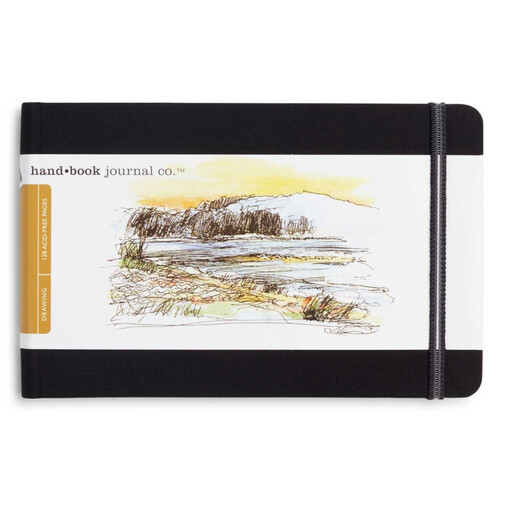
Why This Fits Their Persona: A compact, structured journal for adult artists, students and hobbyists who want to carry pen, pencil or marker work around the UK.
The listed 140gsm acid-free paper and 64-sheet count make the intended use easier to assess than an unspecified notebook.
64 sheets; European cloth binding, rounded corners and an internal clear storage envelope.
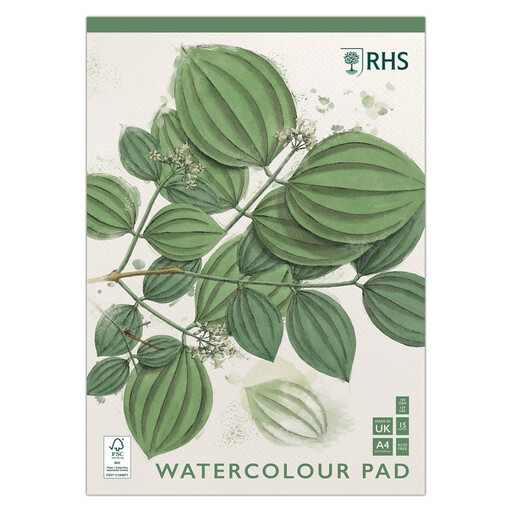
Why This Fits Their Persona: A4 sheets give botanical artists, students and painting hobbyists room for plant studies, washes and larger compositions.
The 190gsm specification and watercolour designation provide more useful information than a generic “mixed media” label.
A4 format; 190gsm paper intended for watercolour projects; 15 sheets for focused studies.
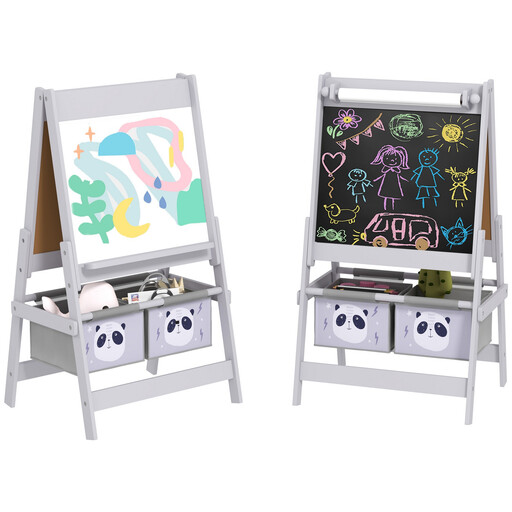
Why This Fits Their Persona: Families with room for a dedicated activity station can switch between chalk, water-based markers and a paper roll.
The stated 93H x 54W x 46.5Dcm dimensions, two baskets and A-frame construction help you assess space and organisation before purchase.
Three drawing surfaces; two storage baskets; recommended for ages 3–8; paper roll width of 35cm.
We have compiled a complete, real-time list of products that fully satisfy these strict selection criteria and UK safety regulations.
Begin with age-appropriate paper, washable or water-based colouring materials and a simple storage solution. A scratch art pad suits short activities, while a kids art easel is more suitable for regular standing or seated drawing. Check age guidance and supervise the use of tools and small accessories.
100gsm paper is generally suitable for pencils, crayons, light colouring and everyday sketches. It may show bleed-through or buckling with wet paint and some marker inks. Choose a watercolour or artist paper pad with a higher gsm specification when the project involves washes, heavier application or collage.
Replace each cap firmly immediately after use and store pens horizontally where the manufacturer recommends it. Keep them away from direct sunlight and excessive heat. A dual-tip set should also be checked for nib wear, particularly if used frequently for calligraphy, journalling or large colouring areas.