
24/7 Customer Support

Free returns

Same-day & Next-day Delivery

Quality Guaranteed

Unlock Your Welcome Offers: FREE Delivery | Up to 80% OFF | Free 30-day JoyPlus trial
Download the APP
Buying art pencils can seem straightforward until a supposedly versatile set produces weak colour, snaps during sharpening or contains shades you rarely use. Whether you need graphite pencils for architecture, colouring pencils for a child, pastel pencils for illustration or mechanical pencils for technical drawing, the right choice depends on the core, format and intended surface.
This guide from the Joybuy Product Recommendation Officer cuts through common marketing language and focuses on practical details that matter in everyday UK use.
A 72-colour pencil set looks appealing, but more shades do not automatically mean better results. A beginner may use only a small selection, while an illustrator may need specific lightfast or blendable colours. Check whether the set includes useful neutrals, skin tones, dark values and blending shades rather than judging it by the number printed on the box.
Graphite pencils, coloured pencils, pastel pencils and watercolour pencils behave differently. A standard graphite pencil cannot create a coloured wash, while a dry pastel pencil may produce dust and require suitable paper. Mechanical pencils offer consistent line width, but their fine leads are not always suitable for broad shading.
A pencil that feels comfortable for five minutes may become tiring during a long drawing session. Thin or poorly bonded cores can also break repeatedly in a sharpener. Look for a suitable barrel shape, a lead diameter that matches the task and a tin or case that protects the set from damp storage.
Graphite grades usually range from harder H grades to softer B grades, with HB positioned around the middle. Harder pencils create lighter, finer marks for construction lines and technical drawing. Softer drawing pencils produce darker tones and are more suitable for shading.
A mixed set is useful if you sketch, illustrate and add tonal work. The Faber-Castell Castell 9000 range includes finely graduated hardness levels, and the 12-pencil art set is selected from a broader range of 16 grades. A smaller set can be more practical if you mainly create quick sketches or schoolwork.
For wood-cased pencils, check whether the core is bonded securely to the casing. Faber-Castell’s SV bonding process is described as bonding the graphite lead to the wood, helping reduce breakage during sharpening and use. This is particularly relevant to students, children and artists who apply heavier pressure.
Coloured pencils may use wax- or oil-based cores, while pastel pencils contain a chalk-pastel core. Watercolour pencils use water-soluble pigment, allowing dry marks to be softened with a damp brush. These formats should not be treated as interchangeable.
A 2.8 mm or 3.3 mm core can provide a balance between detail and durability for colouring and illustration. STABILO Trio colouring pencils use a thicker 4.2 mm lead, which can suit young children who need bold coverage. A 0.5 mm mechanical pencil is more appropriate for precise writing, annotation, drafting or fine sketching.
Triangular barrels can support grip control, while hexagonal pencils resist rolling across a desk. For children, check the product warnings, recommended age information and whether supervision is advised. Look for appropriate UK product safety information rather than assuming that a colourful design is suitable for every age.
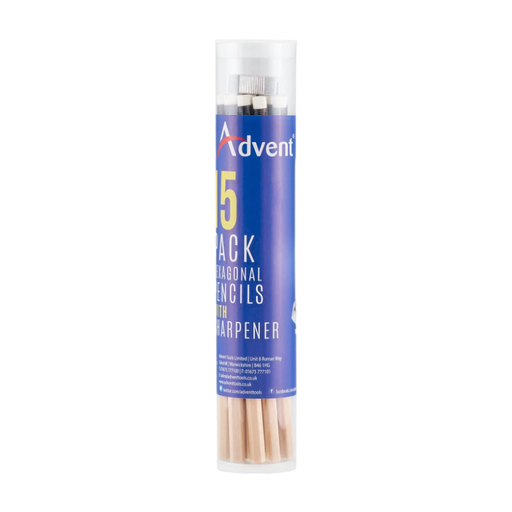
Why This Fits Their Persona: A straightforward option for students, home offices and first-time sketchers who need everyday pencils without investing in specialist grades.
The HB grade offers a practical middle ground for writing, drawing and light sketching, while the included sharpener avoids an immediate extra purchase.
15 pencils, hexagonal barrels and a supplied sharpener; suitable for school, office and general sketching.
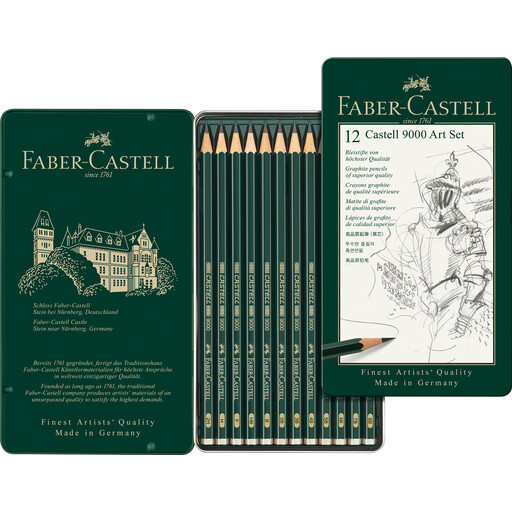
Why This Fits Their Persona: A considered choice for illustrators, designers, architects, engineers and students who need graded graphite pencils for controlled tonal work.
The varied hardness grades make the set more useful than an HB-only pack for light construction marks, shading and darker definition.
12 graded graphite pencils; SV-bonded leads and a protective tin for organised storage.
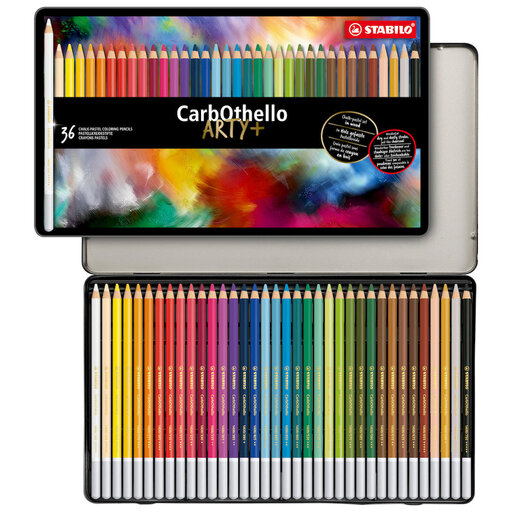
Why This Fits Their Persona: Designed for artists and hobbyists who want dry pastel effects, fine details and a broader colour selection for illustration or portrait work.
The chalk-pastel core is clearly identified, so buyers can prepare for a dry, dusty stroke rather than expecting standard wax colouring performance.
36 assorted colours; sharpenable to a fine point, blendable and partially water-soluble.
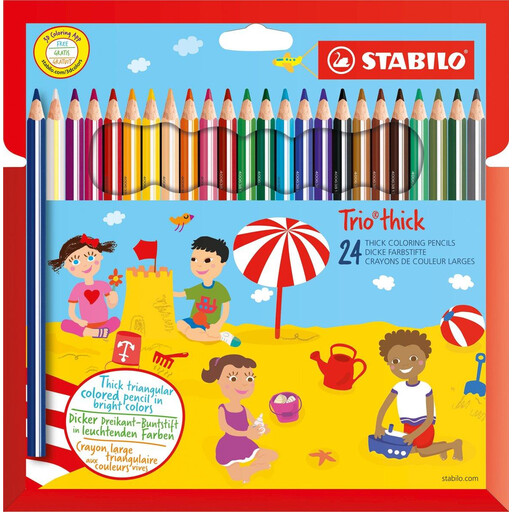
Why This Fits Their Persona: A practical format for young children at home, school or nursery activities, particularly where grip control and bold colour coverage are priorities.
The thick 4.2 mm lead and triangular barrel address two common problems: fragile cores and awkward handling by smaller hands.
24 assorted colours; triangular design and thick lead for controlled, bold colouring.
We have compiled a complete, real-time list of products that fully satisfy these strict selection criteria and UK safety regulations.
Yes. Beginners can start with an HB pencil set for basic drawing, or choose a modest coloured pencil set with primary, neutral and darker shades. A large specialist set is more useful once the user understands their preferred techniques.
Standard colouring pencils are generally used dry. Watercolour pencils contain water-soluble pigment, so marks can be softened or spread with a damp brush. Always use suitable paper to reduce buckling and allow the surface to dry between layers.
Lifespan depends on frequency of use, sharpening method and pressure. A securely bonded core, careful sharpening and dry storage can reduce waste. Mechanical pencils can last longer as writing instruments because the barrel is reusable, but they require compatible 0.5 mm lead refills and may not suit broad artistic shading.