
24/7 Customer Support

Free returns

Same-day & Next-day Delivery

Quality Guaranteed

Unlock Your Welcome Offers: FREE Delivery | Up to 80% OFF | Free 30-day JoyPlus trial
Download the APP
Buying art sketchbooks and notebooks can seem straightforward until the paper buckles, ink shows through or the format does not suit your everyday routine. A decorative cover may attract attention, but practical details such as paper weight, page count and binding usually determine whether a product remains useful after the first few weeks.
This guide explains the key specifications to compare, highlights common buying traps and presents our top recommendations for artists, writers, crafters, students and stationery gift shoppers in the UK.
A beautifully printed cover does not indicate how the pages will perform. A notebook may look luxurious but still be unsuitable for wet media or heavy marker use. Check the paper weight in gsm and the intended medium before ordering.
A 100gsm notebook can be a practical choice for writing, pencil sketches, journalling and light ink work. Watercolour usually needs a heavier sheet, such as a dedicated watercolour pad with paper around 190gsm or more. Even then, always check the manufacturer’s guidance, as paper texture and construction also affect performance.
Higher gsm generally means a more substantial sheet, but it does not automatically make a pad suitable for every medium. A 180gsm craft pad may work well for card-making, scrapbook layouts and paper decoration, while a watercolour pad is designed with a different type of use in mind.
For drawing, look for terms such as acid-free sketchbook and artist-grade paper where archival storage matters. For everyday notes, a smooth 100gsm page may be more comfortable and economical than a heavy art sheet.
An A4 sketch pad gives you room for studies, layouts and larger compositions, but it can be inconvenient on a train, in a university bag or during outdoor sketching. An A5 notebook is easier to carry, while a compact drawing journal can be useful for quick observations.
Also check whether the book is hardbound, cloth-bound, glued or wire-bound. Binding affects how flat the pages open, how easily sheets can be removed and how well the book travels.
Use gsm as a starting point:
Paper weight does not guarantee that ink will never bleed or that wet paint will not cause cockling. Test a back page first when using unfamiliar pens, markers or washes.
Page count influences both value and portability. A 300-page blank notebook is suited to ongoing journalling, idea capture and writing, but may become heavier in a daily bag. A 15-sheet A4 watercolour pad is more appropriate for individual finished pieces or studies that need room to dry.
For a portable drawing journal, 64 sheets can provide a useful balance between capacity and manageable weight.
Choose the format around how you work:
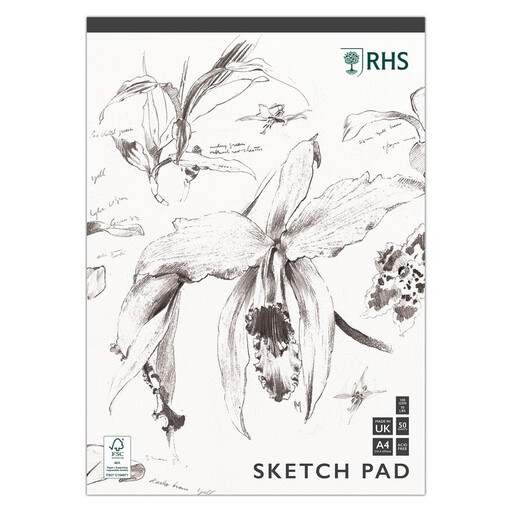
Why This Fits Their Persona: Its familiar A4 format gives students and new sketchers generous space for practice, planning and everyday drawing at a manageable paper weight.
The clearly stated 100gsm specification avoids relying on cover design as a substitute for paper information. It is better matched to dry media and general note-making than heavy wet applications.
A4 size; 50 sheets; suitable for accessible sketching and planning.
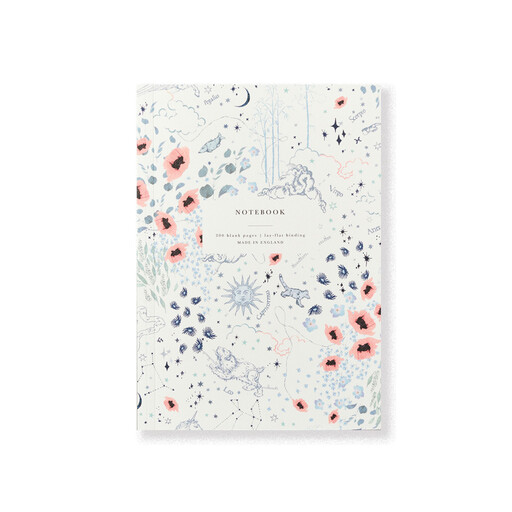
Why This Fits Their Persona: The A5 format, textured cover and floral design suit writers, journalers and stationery gift shoppers who want a practical notebook with a refined appearance.
The listing identifies both the page count and 100gsm inner paper, making it easier to assess capacity and intended everyday use rather than judging by the cover alone.
300 blank pages; A5 size; textured cover; floral design.
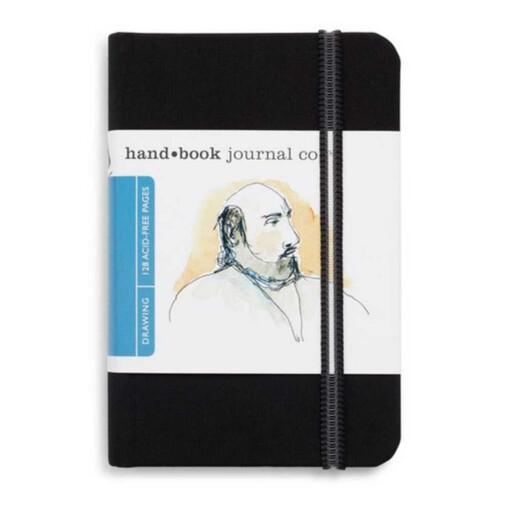
Why This Fits Their Persona: This portable portrait drawing journal is suited to artists who use pen and ink, pencils or markers while travelling around the UK or working away from a studio.
The specification names 140gsm acid-free artist-grade paper and lists compatible dry and ink media. Its cloth binding, rounded corners and internal storage envelope address portability concerns.
140gsm acid-free paper; 64 sheets; cloth binding; clear storage envelope.
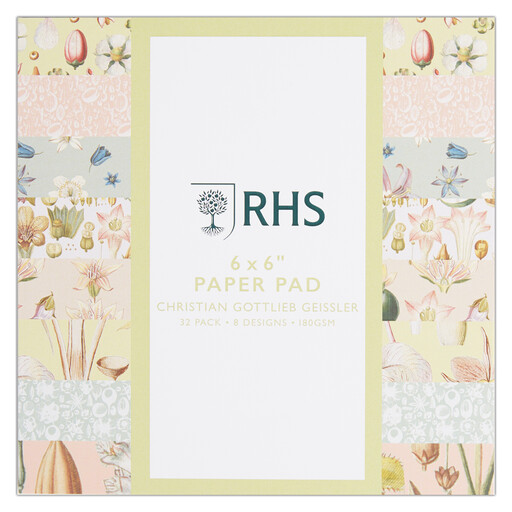
Why This Fits Their Persona: Its compact square format and botanical designs are suited to card-makers, scrapbookers, journal decorators and shoppers seeking stationery gifts.
The 180gsm specification and 6 x 6-inch dimensions make the pad’s likely craft role clearer than a generic decorative paper listing.
32 sheets; 180gsm paper; three botanical-inspired designs; compact square format.
We have compiled a complete, real-time list of products that fully satisfy these strict selection criteria and UK safety regulations.
For watercolour painters, compare the RHS A4 Watercolour Pad 190gsm 15 Sheets, which provides a larger working area than a travel journal. Crafters needing a larger scrapbook layout may prefer the RHS Melons Paper Pad 180gsm 12 x 12 inches, while the 6 x 6-inch version is easier to store and cut.
Those seeking several small books can consider the RHS Tropical A5 Sketchbooks, Pack of 3. For a hardbound botanical-style option, the RHS Rose A5 Hardbound Sketchbook 110gsm offers a portable format with a slightly heavier page than a standard writing pad.
For pencil, biro and light pen work, 100gsm to 110gsm is often practical. For markers and ink, 140gsm acid-free artist-grade paper gives you a more substantial surface. Watercolour and heavier applications generally call for a dedicated pad with a higher gsm, but check the product specifications and test your chosen medium first.
An A5 notebook is suitable for daily sketches, thumbnails, journalling and travel studies. Choose A4 if you need room for detailed compositions, larger lettering or botanical drawings. The right size depends on whether portability or drawing area is more important.
Keep paper products flat or upright in a dry indoor space, away from excessive moisture and direct sunlight. Store finished work with clean hands and avoid compressing wet paint between pages. Acid-free paper may be preferable for work intended for longer-term keeping, but the product specification should always be checked before purchase.