
24/7 全天候客户支持

免费退货

当日/次日达

品质保障

开启新人专享福利: 全场免邮 | 低至 2 折 | 免费试用 30 天 JoyPlus 会员
下载 Joybuy
Buying art and stationery supplies can seem straightforward until you compare paper weights, pencil leads, ink types and age guidance. A low-priced set may appear good value, yet prove unsuitable for the intended medium. Likewise, an attractive sketchbook may have paper that is too thin for repeated erasing or wet techniques.
Whether you are preparing school stationery, refreshing a home art drawer or selecting creative supplies for illustration, these checks can help you spend more purposefully.
Bright white paper can look suitable online, but colour and surface finish do not reveal its weight or intended use. Lightweight drawing paper may work for quick graphite studies but show ghosting, buckling or bleed-through with markers and washes.
Check the gsm rating before purchasing. A 100gsm sketch pad is suited to light sketching and everyday drawing, while 160gsm paper provides a more substantial surface for graphite, coloured pencils, charcoal and light wet media. It is still sensible to test markers or heavily diluted paint on a spare sheet.
A standard pencil may be uncomfortable for a child learning to write, while a very fine fineliner may not be suitable for broad colouring or expressive marks. Mechanical pencils also vary considerably: 0.5mm leads are useful for neat writing and detail, whereas thicker leads can be more forgiving for younger children.
Look for the intended grip, lead size, refill availability and tip construction rather than relying on phrases such as “professional feel” or “premium quality”.
Pens that are left uncapped can dry out, and mechanical pencils can suffer lead breakage if too much lead is extended. Some children’s colouring sets only work with their supplied paper, so they should not be bought with the expectation that the ink will appear on ordinary drawing paper.
For products intended for children, check the recommended age, small-parts warnings and supervision guidance. Where applicable, verify that the product carries the required UK conformity marking and follow the manufacturer’s instructions.
The right format depends on where and how the item will be used:
For mixed creative work, a 160gsm pad offers more flexibility than basic writing paper. For graphite-only studies, a lighter sketch pad may be sufficient and easier to carry.
Graphite pencils are graded from harder, lighter leads to softer, darker ones. HB is a practical general-purpose grade, while softer grades such as 6B or 14B can create deeper shading. A set covering several grades is useful for artists who want line variation without buying individual pencils.
For mechanical pencils, 0.5mm is a common size for writing, technical drawing and detailed sketching. A thicker 3.15mm lead can be more suitable for children beginning handwriting, particularly when paired with an appropriately shaped grip. Always check whether replacement leads are easy to find.
Fineliner pens are often selected by line width. A 0.4mm tip is suitable for notes, outlines and detailed shading, while a multi-size pack provides greater control over line hierarchy. If you intend to combine ink with watercolour, check whether the ink is water-resistant and test it first.
Chalk markers are designed for non-porous surfaces such as glass, windows, boards and mirrors. They generally need to be wiped with a damp cloth and should not be used on porous surfaces if clean removal is important.
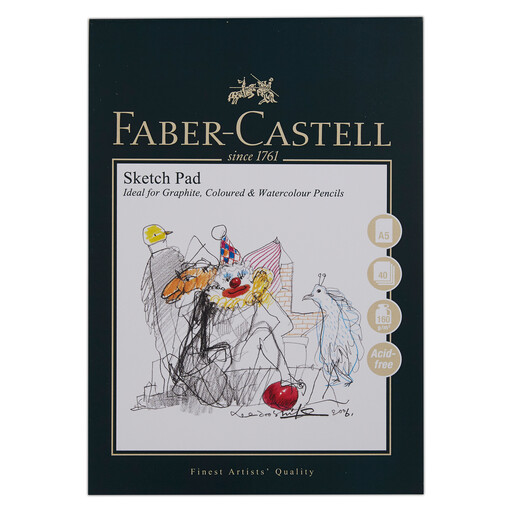
Why This Fits Their Persona: The portable A5 format suits students, beginners and hobbyists working at home, in class or on the move.
Its stated 160gsm, acid-free paper is more suitable for layered dry media than ordinary printer paper.
A5 size, 40 sheets, gummed binding and compatibility with graphite, coloured pencils, charcoal and light wet media.
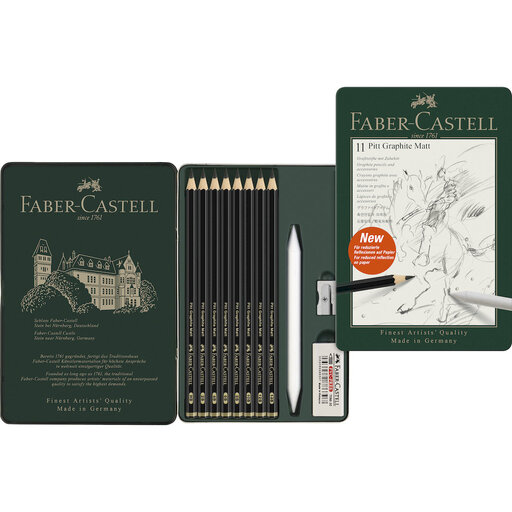
Why This Fits Their Persona: Illustrators and dedicated hobbyists can keep a range of graphite grades together for tonal studies and finished drawings.
The set lists its graphite range from HB to 14B, making the available hardness grades clear before purchase.
Includes a wiper, eraser and sharpener in a protective tin, with ultra-matt graphite specified in the product details.
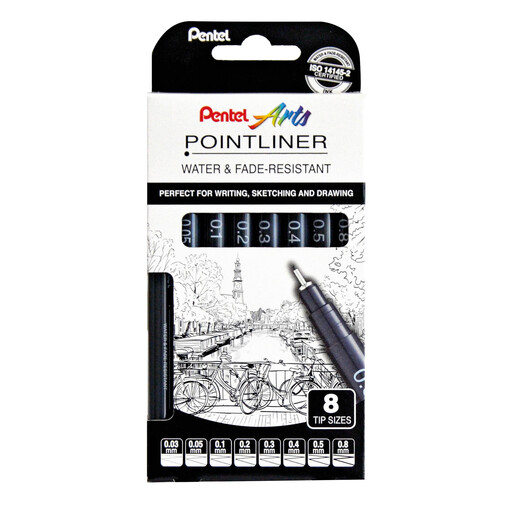
Why This Fits Their Persona: Illustrators, designers and students who switch between fine details, outlines and shading can use the selection of tip sizes across regular projects.
The listing identifies water- and fade-resistant pigment ink and gives guidance to replace the cap after use.
Pack of eight black fineliners, robust tips and suitability for sketching, writing and use alongside watercolours.
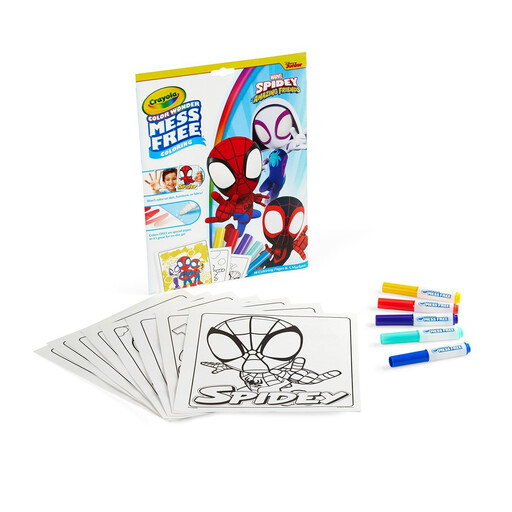
Why This Fits Their Persona: Parents seeking a contained colouring activity for travel or home use may value the dedicated paper and age guidance.
The product clearly states that colours appear on Colour Wonder paper only, avoiding confusion about use on ordinary paper.
Includes 18 colouring pages and five markers; the listing states it is suitable from age three, with adult supervision recommended.
We have compiled a complete, real-time list of products that fully satisfy these strict selection criteria and UK safety regulations.
You may want to combine several categories rather than buy a large stationery set with items you will not use. Consider:
Match the supply to the project first, then compare pack size, paper specification, refill requirements and storage needs.
A practical starter selection includes an A5 or A4 sketch pad, HB graphite pencils, a sharpener, an eraser, coloured pencils and a few fineliner pens. If the user is a child, choose age-appropriate products and check grip design, lead thickness and small-parts warnings.
It can handle some light wet media, but marker performance varies by ink type and application. Test a marker on a spare sheet before starting a finished piece, particularly when using alcohol-based or heavily saturated ink.
Keep pencils dry and sharpen them with a suitable sharpener. Replace pen caps immediately after use and store fineliners as directed. Mechanical pencils should not be advanced excessively, and compatible lead refills should be kept in a dry container.