
24/7 Customer Support

Free returns

Same-day & Next-day Delivery

Quality Guaranteed

Unlock Your Welcome Offers: FREE Delivery | Up to 80% OFF | Free 30-day JoyPlus trial
Download the APP
Buying art and stationery supplies can seem straightforward until you compare paper weights, pigment types, set sizes and age guidance. A low-priced pack may contain colours you rarely use, while an attractive notebook may allow ink to show through onto the next page. The right choice depends on how, where and how often you plan to use it.
This guide explains the features worth checking before buying, from an A5 lined notebook for everyday notes to colouring pencils, oil pastels, soft pastels and children’s colouring sets.
A larger set is not automatically more useful. For school stationery or a beginner’s first art kit, 12 carefully selected colours may be easier to manage than 72 similar shades. Artists and heavy users may benefit from a broader palette, but storage and organisation also matter.
Check whether the set supports your intended activity:
Paper thickness is often overlooked when buying notebooks or sketchbooks. Lightweight paper can be suitable for pencils but less comfortable with markers or wetter media. For regular writing, 100gsm paper provides a smoother, more substantial surface than basic lightweight pages.
Cover durability also affects value. A textured or heavier cover can help protect pages in a school bag, work bag or daily organiser. However, a sturdier cover may add weight, so frequent commuters should balance protection with portability.
Children’s colouring products are not interchangeable. Some markers are designed to work only on special paper, while pastel dust and small components require appropriate supervision. Always check the stated age guidance, warnings and intended surface before buying.
For example, Colour Wonder markers are designed to show colour on their supplied special paper rather than ordinary paper. This is useful for reducing unwanted marks, but replacement pages may need to be purchased separately.
For everyday notes, an A5 lined notebook is compact enough for backpacks, handbags and office storage. Look for:
The Katie Leamon A5 notebooks listed below contain 196 ruled pages. This makes them suitable for journalling, meeting notes, planning, school work and creative writing without taking up the space of a larger notebook.
The terms “pastel” and “colour pencil” describe different working experiences. Oil pastels have a soft, wax-based feel and can be layered or blended. Soft pastels produce a dry, powdery mark and are suited to atmospheric effects, but finished work may need a suitable fixative to help preserve it.
Pastel pencils combine a pencil format with a chalk-pastel core. They can be sharpened to a fine point, making them practical for detailed artwork. When choosing any pastel product, consider the paper surface, storage conditions and ventilation guidance supplied with the product.
For school, office or home use, a highlighter’s tip affects precision. A chisel tip with two line widths can support both broad highlighting and narrow underlining. A clip and slim body are useful for pencil cases and crowded desk drawers.
For creative gifts and children’s art activities, look at what is included. Stencils, paper, sharpeners and trays can make a set more immediately usable than a standalone pack.
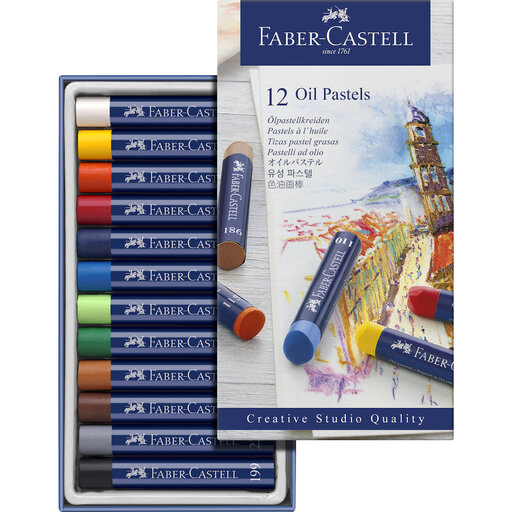
Why This Fits Their Persona: A compact 12-colour set gives beginners, students and occasional hobbyists a manageable introduction to oil pastel techniques without requiring extensive storage.
It avoids paying for a very large colour range before the user knows whether oil pastels suit their style or available workspace.
Includes 12 blendable oil pastels with a waxy feel; suitable for a range of surfaces and creative techniques.
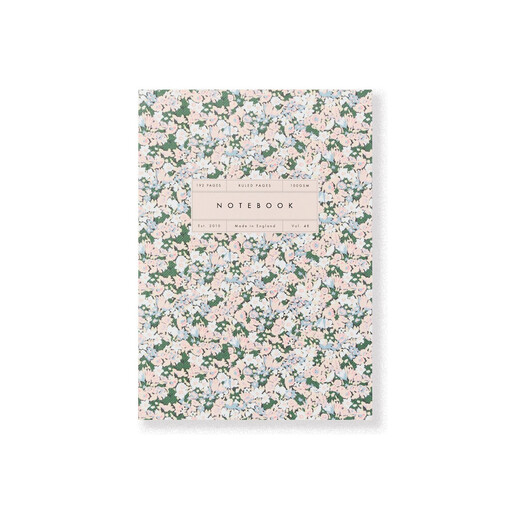
Why This Fits Their Persona: Its A5 format, ruled layout and designer floral cover suit professionals, stationery enthusiasts and gift buyers seeking practical daily stationery with a distinctive appearance.
The specification states the page weight, page count and cover construction, making it easier to assess practical value beyond appearance.
196 ruled pages, 100gsm inner paper and textured covers; compact enough for work, travel or study.
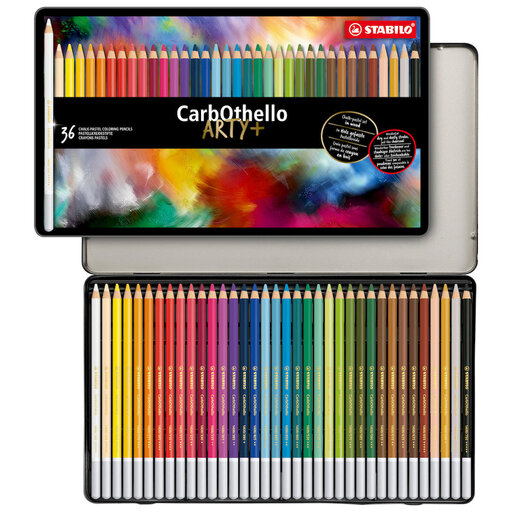
Why This Fits Their Persona: Illustrators, art students and regular pastel users can use the pencil format for fine marks, blending and detailed studies.
It offers a clearly defined chalk-pastel format rather than asking buyers to expect pencil, oil pastel and soft pastel behaviours from one product.
36 assorted colours, a sharpenable pencil point, blendable marks and partially water-soluble colour.
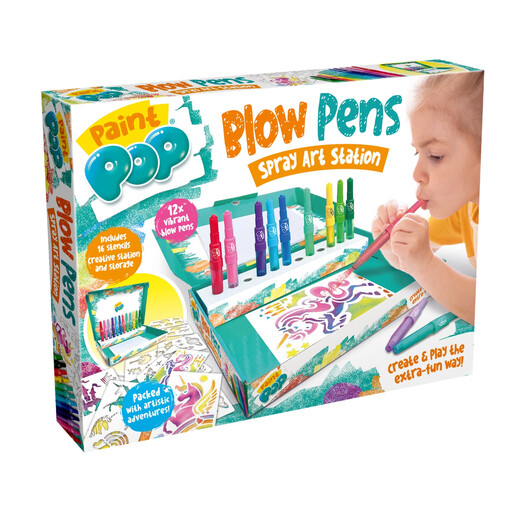
Why This Fits Their Persona: Parents and gift buyers looking for an activity with materials included can use the stencils and blank paper for guided creative sessions at home.
The contents are specified clearly: 12 blow pens, 16 blank papers, 14 A5 stencils and 2 A4 stencils, rather than just promising a general creative experience.
Includes quick-drying, non-toxic paint and is stated as suitable from age four, with adult supervision recommended.
We have compiled a complete, real-time list of products that fully satisfy these strict selection criteria and UK safety regulations.
Start with a sketching pencil, eraser, sharpener, coloured pencils or a small oil pastel set and suitable paper. Add soft pastels, pastel pencils or highlighters when you know which techniques you prefer. A small, versatile collection is often easier to store and use than a large mixed pack.
Oil pastels can be suitable for supervised children’s activities, but check the specific product guidance and age recommendations. For younger children, purpose-designed children’s colouring sets with large components and supplied activity pages may be more appropriate. Keep small parts away from children who may place them in their mouths.
Store pencils and pastels in their original box or a protective case, keep paper away from moisture and recap highlighters after use. Some highlighters include an uncapped-use time stated by the manufacturer, but replacing the cap promptly remains sensible. For soft pastel artwork, follow the product guidance on handling, ventilation and fixative use.