
24/7 Customer Support

Free returns

Same-day & Next-day Delivery

Quality Guaranteed

Unlock Your Welcome Offers: FREE Delivery | Up to 80% OFF | Free 30-day JoyPlus trial
Download the APP
Buying art and stationery supplies can seem straightforward until a sketch pad bleeds, a mechanical pencil breaks repeatedly or a marker dries out after a few uses. Product descriptions often focus on colour counts, attractive packaging and broad claims about versatility, while the details that affect everyday use receive less attention.
As the Joybuy Product Recommendation Officer, I filter the useful specifications from the marketing language so you can choose supplies that suit your project, workspace and budget.
An A4 or A5 label tells you the dimensions, not how the paper will respond to your chosen medium. Lightweight paper may work for pencils but buckle when exposed to watercolour, ink or heavy marker layers.
Check the gsm rating, surface finish and recommended media. A 160 gsm sketch pad can be suitable for graphite, coloured pencils, charcoal and light washes, while heavier watercolour paper is generally more appropriate for repeated wet applications.
Art markers, colouring pens and chalk markers are designed for different surfaces. Water-based pens are usually intended for paper, whereas wet-erase liquid chalk markers are made for non-porous surfaces such as glass, slate, ceramic and metal.
Using the wrong marker can lead to bleed-through, staining, feathering or difficult removal. Always check whether the ink is permanent, wet-erase or water-based, and test it on a spare area first.
Low-priced stationery can become expensive if it requires frequent replacement. Mechanical pencils should have readily available lead sizes, while brush pens and art markers need secure caps and sensible storage to reduce drying.
Look for practical details such as replacement tips, included refills, protective cases and storage instructions. These features often matter more than a large colour count.
A dual-tip set may combine a fine liner for detail with a brush tip for broad strokes, shading and lettering. This makes colouring pens useful for journals, illustrations and calligraphy practice.
For chalk markers, check that the product is intended for non-porous surfaces and whether it is permanent or removable with a damp cloth. For paper-based projects, test for bleed-through before working on a finished drawing.
The right format depends on how and where you work. A4 sketch pads provide more room for presentation plans and detailed illustrations, while A5 watercolour pads are easier to carry to lessons, cafés or workshops.
For mechanical pencils, consider:
For children’s products and creative toys, check the recommended age, small-parts warnings and battery information. Products should be used according to the supplied instructions, with adult supervision where stated. Where relevant, review the product packaging for applicable UK safety marking and toy information.
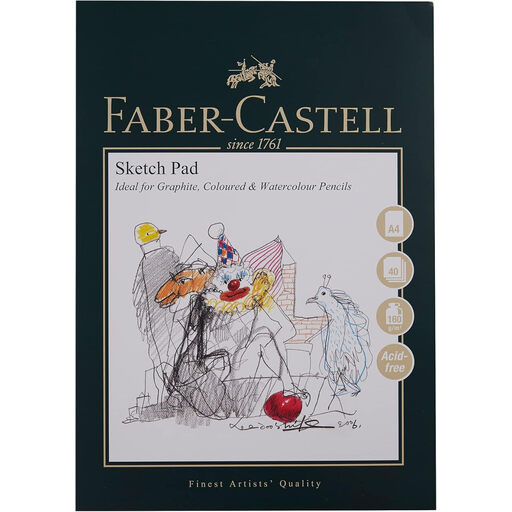
Why This Fits Their Persona: A practical starting point for students, hobbyists and home users who want one A4 pad for sketching, school projects and dry-media practice.
Its 160 gsm acid-free paper provides clearer specification information than a generic “multi-use” description. The product guidance also recommends testing wet media first.
40 A4 sheets, gummed top binding and compatibility with graphite, coloured pencils, charcoal and watercolour pencils.
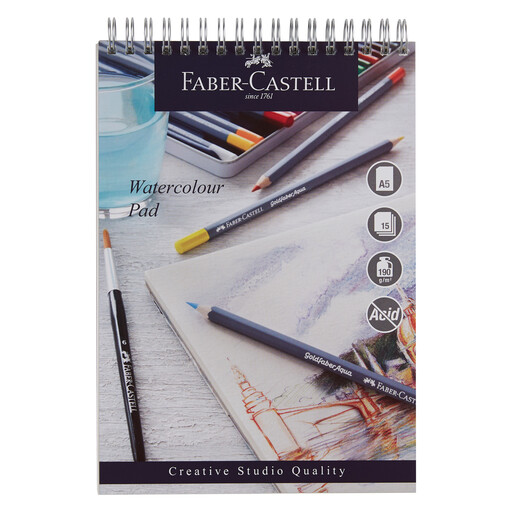
Why This Fits Their Persona: A compact option for artists, illustrators and students working with watercolour, gouache, acrylics, inks or mixed media at home or on the move.
The 190 gsm weight and stated media compatibility make its intended use clearer than a pad promoted only through appearance or sheet count.
Acid-free white paper, A5 format, 15 sheets and wiro binding that allows the pad to lie flat.
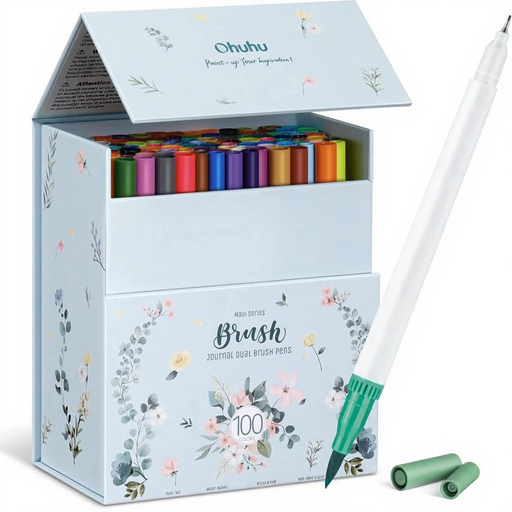
Why This Fits Their Persona: Designed for illustrators, adult colouring enthusiasts and crafters who need varied line widths and a broad colour selection for regular creative work.
The water-based ink type and dual-tip measurements are specified, so buyers can match the pens to suitable paper rather than relying on colour-count claims alone.
100 numbered colours, 0.4 mm fineliner tips, 1–6 mm brush tips, replacement tips and a storage case.
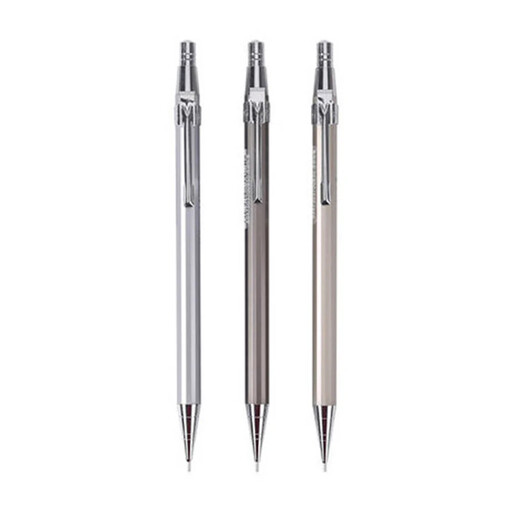
Why This Fits Their Persona: A useful multi-pack for students, office users and anyone who alternates between note-taking, drawing and technical work.
The 0.5 mm lead size and push-button mechanism are clearly stated, helping buyers avoid unsuitable thick or non-refillable writing tools.
Three metal-barrel pencils, automatic lead advance and precise 0.5 mm black lead.
We have compiled a complete, real-time list of products that fully satisfy these strict selection criteria and UK safety regulations.
Depending on your project, you may also need:
Start with a suitable sketch pad, drawing pencils or a mechanical pencil, an eraser and a small selection of colouring pens. If you are exploring watercolour, choose a pad with a suitable gsm rating rather than using ordinary printer paper.
Use paper recommended for markers or heavier mixed-media work, and place a protective sheet underneath. Test each marker on a spare page first, as ink behaviour varies between paper surfaces and colours.
Keep paper flat or upright in a cool, dry place away from direct sunlight and humidity. Store markers with their caps secured, follow the manufacturer’s recommended orientation and keep small parts, batteries and sharp accessories away from young children.