
24/7 Customer Support

Free returns

Same-day & Next-day Delivery

Quality Guaranteed

Unlock Your Welcome Offers: FREE Delivery | Up to 80% OFF | Free 30-day JoyPlus trial
Download the APP
Buying art supplies in the UK can seem straightforward until the first page buckles, the pen bleeds through, or a child’s creative kit contains tools that are difficult to use. Product descriptions often focus on broad phrases such as “professional quality” while leaving out the details that affect everyday use.
Before choosing sketch pads, watercolour pads, mixed media pads or a drawing tablet, check the specifications that match your actual project. A suitable surface and format can make a more noticeable difference than a longer accessories list.
A bright white cover or attractive design does not indicate whether the paper suits your medium. Lightweight paper may work well for graphite and coloured pencils but can buckle when used with watercolour, acrylic or heavy marker layers.
Check the paper weight, measured in gsm. In general:
These are practical guidelines rather than guarantees. Always follow the product description and test unfamiliar pens or wet media on a spare sheet.
A large A4 sketchbook offers more room for illustration, school projects and presentation work, but it takes up more space in a school bag or commuter backpack. An A5 sketchbook is easier to carry and works well for daily ideas, travel drawing and quick studies.
Binding also affects how a pad behaves:
Do not pay extra for a format or binding style you will rarely use.
Children’s art supplies should be checked for the recommended age, small parts and sharp edges. For example, a manga art kit containing small accessories may be suitable for children aged 8 and over but should be used under adult supervision where indicated.
For digital products, check battery type, charging requirements, screen care and whether the stylus is included. A writing tablet that only erases the whole screen will not replace a pressure-sensitive drawing tablet with stored files and creative software.
Sketch paper is generally designed for dry media such as graphite, charcoal, coloured pencils and some ink pens. Watercolour paper is made for wet washes and is usually heavier. Mixed media paper is intended to bridge dry and wet techniques, but the amount of water it can handle varies.
Acid-free paper is useful for artwork that needs to be stored over time because it is designed to reduce yellowing associated with acidic materials. For keepsake drawings, school portfolios or creative gifts, this can be a sensible feature to prioritise.
An A4 sketchbook measures approximately 210 × 297mm and gives enough space for detailed drawings, layouts and coursework. An A5 sketchbook measures approximately 148 × 210mm, making it more portable for everyday sketching and note-taking.
A lower sheet count may be sufficient for watercolour pads when each sheet is heavyweight. Conversely, a 40-sheet drawing pad can offer better value for regular pencil practice, storyboarding or art supplies for students.
Traditional artist paper gives you a physical surface and does not require charging. A digital option may be more convenient for note-taking, reusable sketches and portable work, but it needs battery power and careful handling.
A pressure-sensitive drawing tablet can offer variable line thickness. An LCD writing tablet is more limited but can be useful for temporary notes, doodles, family messages and simple sketches.
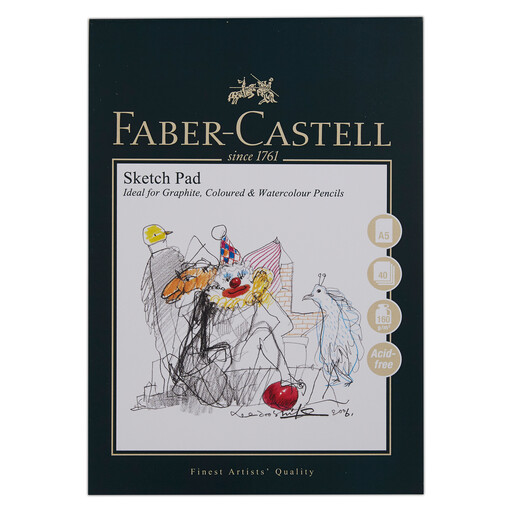
Why This Fits Their Persona: The A5 format is easy to carry to school, college, cafés or art groups, while 40 sheets provide space for regular practice.
Its stated 160gsm acid-free paper is more substantial than basic printer paper and is intended for dry and light wet media.
40 sheets; gummed top binding; compatible with graphite, coloured pencils, charcoal and watercolour pencils.
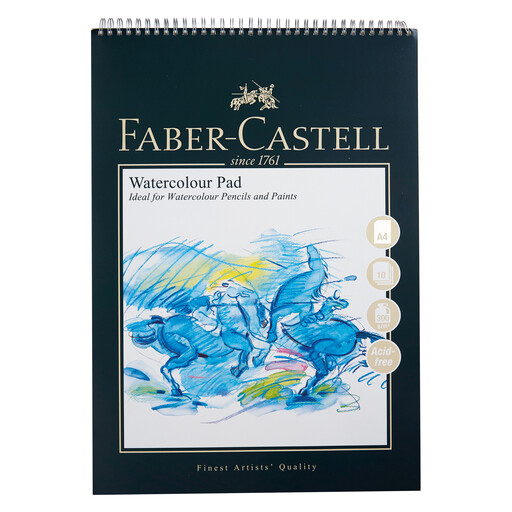
Why This Fits Their Persona: A4 gives artists and illustrators room for finished studies, while heavyweight paper suits watercolour and selected mixed media projects.
The 300gsm specification clearly signals a heavier surface, helping buyers avoid selecting thin paper for wet washes.
10 sheets of acid-free paper; A4 size; wiro binding lies flat and allows convenient page turning.
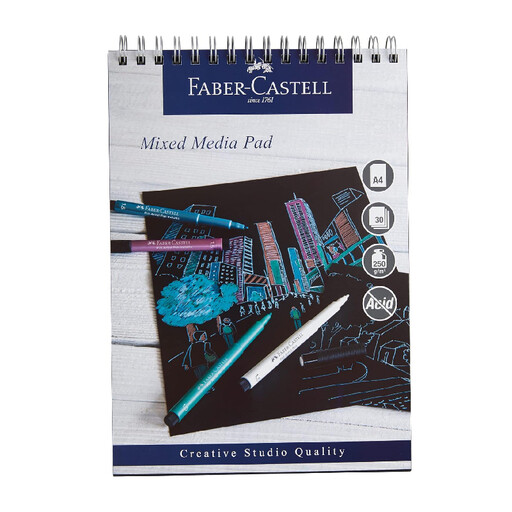
Why This Fits Their Persona: Suitable for artists, crafters and illustrators who want a dark surface for layered, colourful or metallic work.
The black 250gsm surface and stated medium compatibility make its specialist purpose clear, rather than presenting it as a universal pad.
30 sheets; acid-free paper; wiro binding; suitable for pencils, pastels, charcoal, ink and selected wet media.
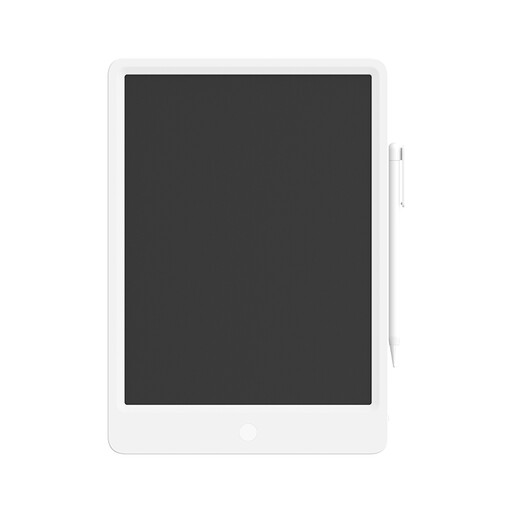
Why This Fits Their Persona: A slim, reusable screen suits students, families and commuters who need temporary notes, doodles or simple sketches without carrying paper.
Its one-tap erase function and included stylus are clearly suited to temporary writing, so buyers can distinguish it from a file-saving drawing tablet.
13.5-inch LCD screen; pressure-sensitive writing; magnetic 7g stylus; one CR2025 battery.
We have compiled a complete, real-time list of products that fully satisfy these strict selection criteria and UK safety regulations.
For children aged 8 and over, the Lisciani Kids Manga Art Creative Drawing Set includes drawing accessories and beginner tutorial guidance in a compact package. Check the small-parts warning and supervise use as directed.
A travel-focused artist may prefer a 140gsm drawing journal with a cloth cover and internal storage envelope, while gardeners and nature illustrators may enjoy RHS sketchbooks and artist paper with decorative covers. For wet work in a smaller format, an A5 watercolour pad can be more practical than carrying A4 sheets.
For pencil drawing, 160gsm is a flexible starting point. Choose around 190gsm for lighter watercolour use and consider 250–300gsm for more substantial mixed media or watercolour work. Check the stated compatibility, as gsm alone does not determine performance.
Choose A4 for detailed illustrations, coursework and artwork that needs generous working space. Choose A5 for portable sketching, daily journalling, travel and smaller creative gifts.
Not fully. An LCD writing tablet is useful for temporary notes and simple doodles, but many models do not save or export work. Use a traditional sketchbook or drawing tablet when you need to keep, edit or share finished artwork.