
24/7 Customer Support

Free returns

Same-day & Next-day Delivery

Quality Guaranteed

Unlock Your Welcome Offers: FREE Delivery | Up to 80% OFF | Free 30-day JoyPlus trial
Download the APP
Buying art supplies can become expensive when product descriptions focus on broad promises rather than useful specifications. A pad labelled “multi-purpose” may not cope with wet washes, while a canvas that looks suitable for acrylic painting may have a light fabric or uneven primer.
For UK artists, students, hobbyists, teachers and workshop leaders, three common buying traps are worth avoiding:
The practical solution is to compare paper weight, surface, binding, dimensions and stated media compatibility before adding an item to your basket.
Paper weight is usually shown in gsm, meaning grams per square metre. It is a useful guide to thickness and handling, but it does not guarantee that every sheet will perform identically.
Do not assume that a higher gsm automatically makes paper suitable for oil painting or heavy texture. Always check the manufacturer’s stated compatibility.
The paper surface affects how marks behave. A smoother sheet suits clean linework, technical drawing and detailed illustration, while a more textured surface can provide grip for dry media and watercolour.
Acid-free paper is useful when you want to reduce the risk of yellowing and deterioration over time. It is particularly relevant for portfolio pieces, school displays, framed artwork and gifts. “Archival quality” should still be interpreted alongside the actual paper specification, storage conditions and the materials used on top.
For dark-background work, black mixed media paper can create strong contrast with opaque acrylics, metallic inks, white pens and pastels. It is not a universal replacement for white paper, but it can expand the range of effects available from the same set of professional art materials.
A4 art paper measures approximately 210 x 297mm, offering room for detailed drawings and presentation layouts. An A5 art pad is approximately 148 x 210mm, making it convenient for sketching on the move, travel studies and smaller workspaces.
Binding affects everyday use:
Check the sheet count as well as the price. A lower-priced pad may offer fewer usable sheets, while a larger pack may provide better value for regular practice.
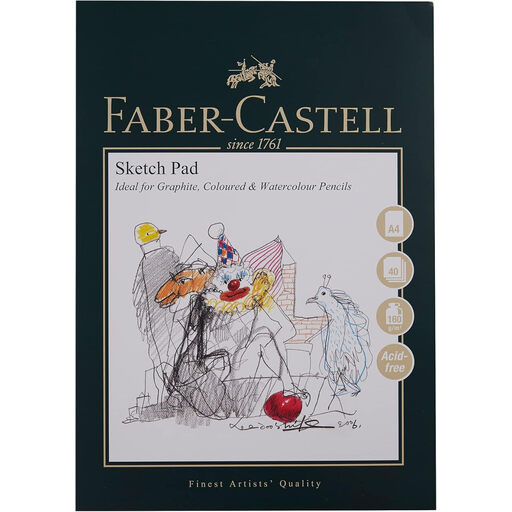
Why This Fits Their Persona: A practical A4 option for students, beginners and hobbyists building a versatile drawing kit for home, college or a shared studio space.
The 160gsm acid-free specification is clearer than a vague “premium paper” label, and the gummed top binding supports clean sheet removal.
40 A4 sheets; suitable for graphite, coloured pencils, charcoal, watercolour pencils and light washes.
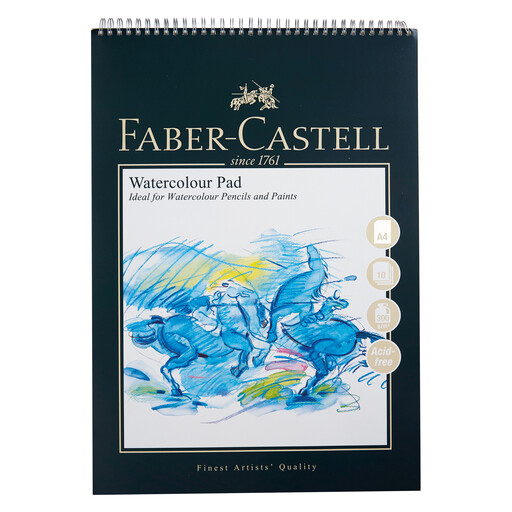
Why This Fits Their Persona: Suits illustrators, design students and artists who want a heavyweight A4 surface for watercolour, gouache, markers and selected mixed-media work.
Its 300gsm weight and acid-free specification provide measurable information for judging stability and storage suitability.
10 sheets; wiro binding lies flat; compatible with watercolour, gouache, acrylics, inks, coloured pencils and markers.
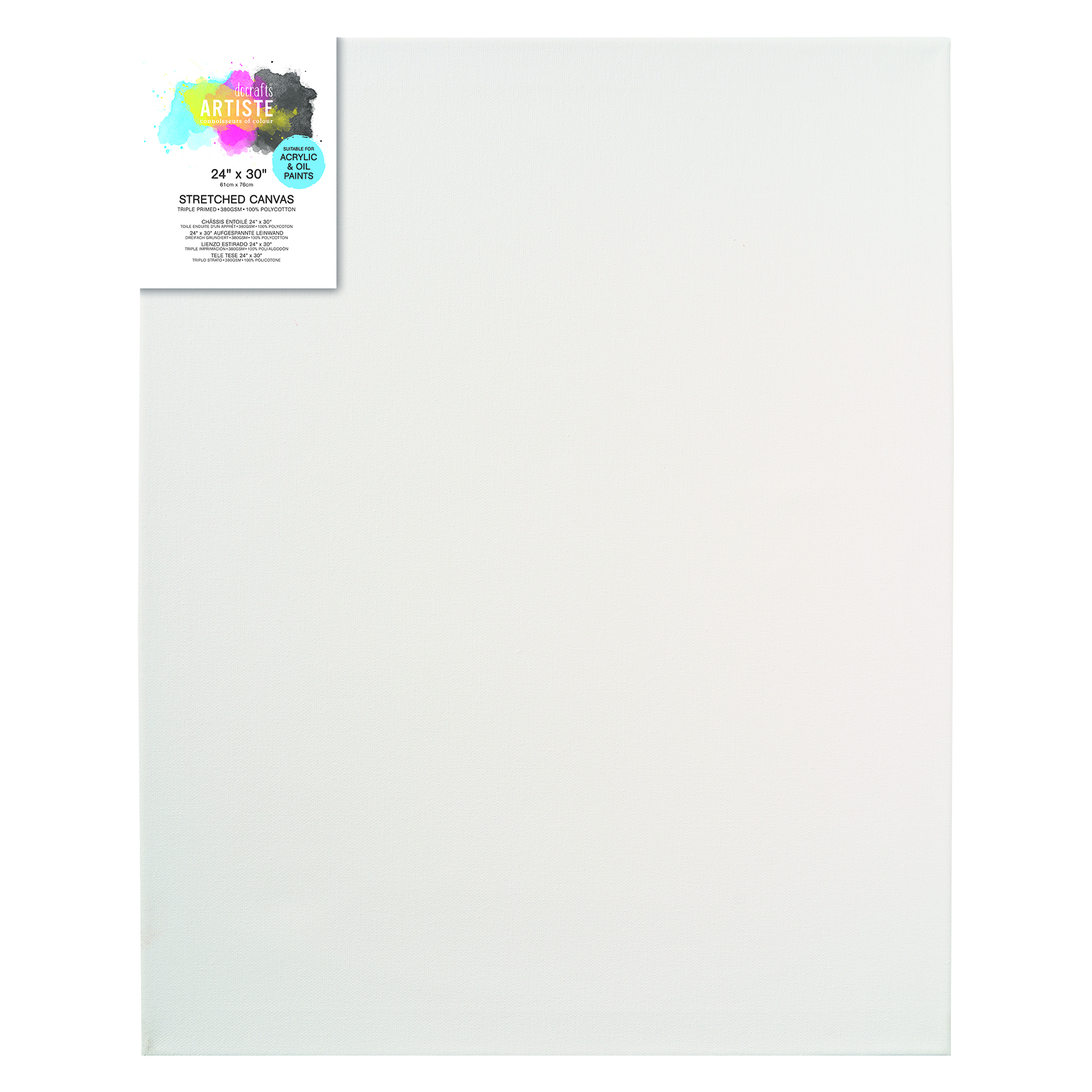
Why This Fits Their Persona: A larger acrylic painting canvas or oil painting canvas for studio artists, workshop leaders and creators preparing display-sized work.
The product specifies a 380gsm surface, triple gesso priming and a wooden frame, rather than relying only on “ready to paint” wording.
24 x 30-inch format; pre-stretched; triple primed; suitable for acrylics, oils, collage and texture pastes.
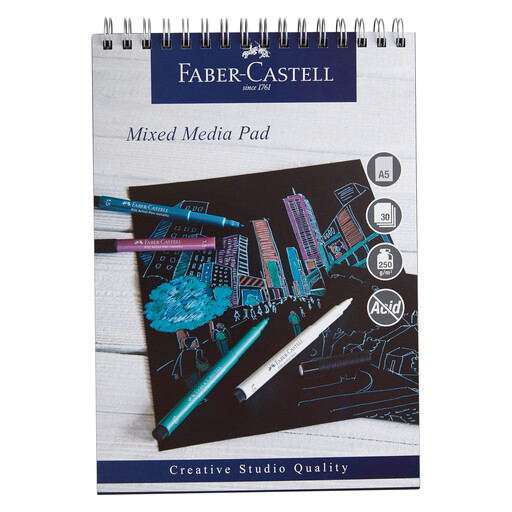
Why This Fits Their Persona: The portable A5 format works well for illustrators, crafters and commuters who want a dark surface for experiments, studies and workshop projects.
The 250gsm weight, black paper colour and stated wet-and-dry compatibility make its intended use easier to judge before purchase.
30 sheets; wiro binding; acid-free paper; suitable for pencils, charcoal, pastels, ink, acrylic and moderate water application.
We have compiled a complete, real-time list of products that fully satisfy these strict selection criteria and UK safety regulations.
Before buying, compare the following details on the product page:
For general drawing, 160gsm sketch paper offers a useful balance between handling and flexibility. If watercolour is the main medium, consider 190gsm or 300gsm watercolour paper, depending on how much water you plan to use.
Choose A4 for larger studies, illustration, school presentations and detailed compositions. Choose A5 when portability, compact storage or quick sketching matters more. Many artists keep both formats for different stages of a project.
Some watercolour pads state compatibility with acrylics, but the result depends on the paper weight and amount of paint or water used. For thick layers, texture paste or larger finished work, a properly primed acrylic painting canvas may provide a more suitable surface.