
24/7 Customer Support

Free returns

Same-day & Next-day Delivery

Quality Guaranteed

Unlock Your Welcome Offers: FREE Delivery | Up to 80% OFF | Free 30-day JoyPlus trial
Download the APP
Bringing the beauty of nature into our homes and gardens without the constant upkeep is a tempting prospect. Artificial plants offer a vibrant, low-maintenance solution. However, the market is flooded with options, and it is easy to make a purchase you later regret. As a Joybuy Product Recommendation Officer, my role is to help you navigate the choices and identify the key features that separate a lasting investment from a short-lived disappointment.
Before you buy, be aware of these common purchasing traps that can lead to wasted money and a less-than-desirable look.
To avoid these issues, focus on a few core parameters. Understanding these will empower you to select a product that delivers lasting value and realism.
The material of your artificial plant is the single most important factor determining its appearance and durability.
Beyond the base material, the construction dictates how convincing the plant will look and how well it will hold up.
Based on these practical criteria, here are a few recommendations matched to different needs and spaces.
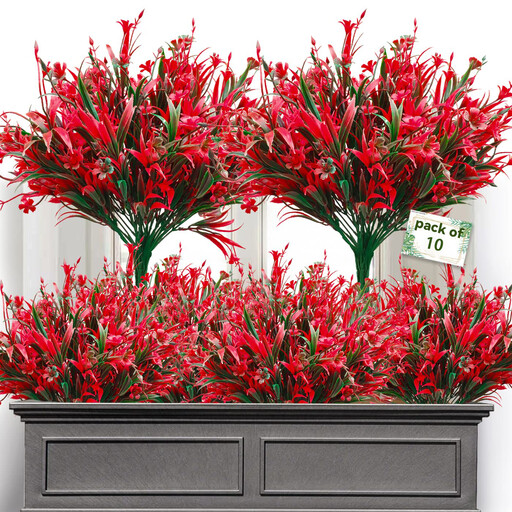
Why This Fits Their Persona: This user needs a simple, effective way to add a splash of colour to a balcony, patio or window box without worrying about weather damage. The multi-pack format is ideal for filling several small planters or one larger trough.
It is made from durable, weather-resistant plastic, directly addressing the pitfall of fading. This material is designed to withstand UK sun and rain, ensuring the colour remains vibrant for longer than untreated plastics.
The set includes 10 individual bundles, offering great versatility for various arrangements. It provides a full, lush look straight out of the package with zero maintenance required.
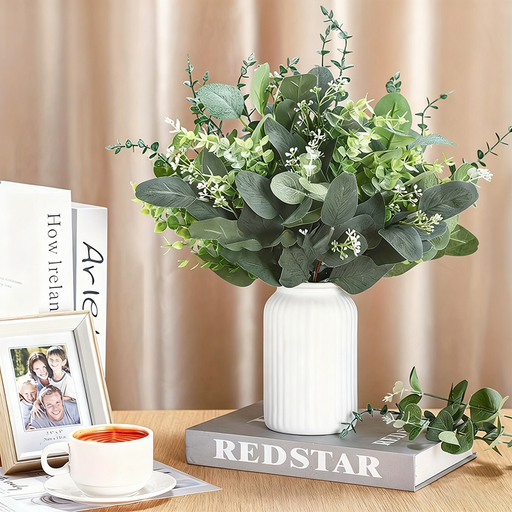
Why This Fits Their Persona: This user is creating their own bouquets, centrepieces or wreaths for an event like a wedding. They need a large quantity of high-quality, flexible filler greenery like artificial eucalyptus that can be easily customised.
It avoids the "fragile construction" flaw. Each stem is built with a bendable internal wire, allowing for complete control over shaping without snapping. This is essential for intricate DIY projects and creating faux wedding flowers.
The 40-piece bulk pack offers excellent value and includes a mix of eucalyptus styles for a more varied, natural look. The realistic texture and UV-protected material ensure the arrangements look fresh throughout the event and beyond.
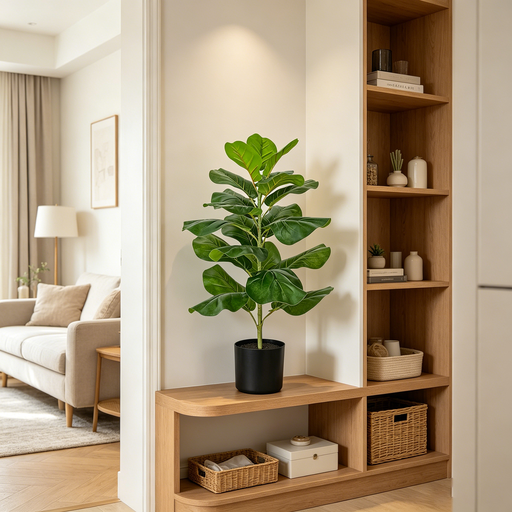
Why This Fits Their Persona: This person wants to add a significant touch of green to a living room or office corner without the hassle of caring for a notoriously fussy real Fiddle Leaf Fig. They prioritise a realistic look and substantial size.
It directly counters the "obvious plastic sheen" trap. The use of 100% botanical imitation technology and a "real touch" finish ensures the leaves have a matte, textured appearance that mimics a live plant, avoiding a cheap, glossy look.
Its large, 78cm size provides an immediate decorative impact. The branches contain metal wires, allowing you to adjust the position of the leaves for a customised, natural shape that fits your space perfectly.
We have compiled a complete, real-time list of products that fully satisfy these strict selection criteria and UK safety regulations.
1. How can I make my artificial plants look more realistic? To enhance realism, always "fluff" and shape your plants after unboxing. Bend the wired stems and leaves to mimic natural, imperfect growth. Placing them in a stylish pot with real soil, moss or decorative stones on top can also dramatically improve the illusion. Finally, consider the placement—position them where a real plant would get appropriate (though not required) light.
2. How long do UV-resistant artificial plants last outdoors in the UK? While no material is completely immune to the elements forever, a quality UV-resistant artificial plant should maintain its colour and integrity for several years in typical UK weather. Cheaper, non-resistant plastics may show significant fading within a single season. To maximise lifespan, you can periodically rotate the plant or place it in a spot that gets partial shade during the most intense part of the day.
3. Are artificial plants cheaper than real plants in the long run? Initially, a high-quality artificial plant can have a higher upfront cost than a small real plant. However, when you factor in the long-term costs of real plants—such as replacement due to pests or improper care, soil, fertiliser and larger pots—artificial plants often prove more economical. They are a one-time purchase that provides lasting greenery with no ongoing expenses, making them a sound choice for low maintenance plants.