
24/7 Customer Support

Free returns

Same-day & Next-day Delivery

Quality Guaranteed

Unlock Your Welcome Offers: FREE Delivery | Up to 80% OFF | Free 30-day JoyPlus trial
Download the APP
Navigating the world of artist pastels can feel overwhelming. With options ranging from creamy oil pastels to dusty soft pastels and precise pencils, it’s often difficult to know where to begin. Whether you are an art student stocking up on supplies, a hobbyist exploring a new medium or a teacher sourcing materials, choosing the right set is key to bringing your creative vision to life.
This guide is designed to cut through the clutter. We will walk you through the key differences between pastel types, offer practical advice for selecting a set that matches your needs, and present our top recommendations for 2026 to help you make an informed decision.
Before diving into specific products, understanding the fundamentals will ensure you choose a pastel art set that complements your style and projects.
The term "pastel" covers a few distinct mediums, each with unique properties:
Your choice of pastel should align with your artistic goals.
As the Joybuy Product Recommendation Officer, I've filtered through numerous options to highlight sets that offer a great balance of quality, versatility and value. Here are our recommendations for this year.
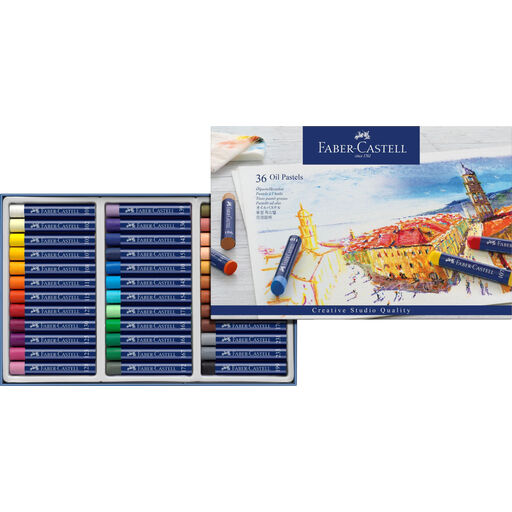
Why It Stands Out: This set from Faber-Castell is a fantastic entry point into the world of oil pastels. The pastels have a smooth, waxy consistency that glides across the page, delivering rich colour without excessive pressure. Their formulation is designed for easy blending and layering, allowing artists to explore a wide range of techniques, from simple sketches to more complex mixed-media pieces.
Pros:
Who is it for? This set is ideal for art students, beginners and creative hobbyists looking for a high-quality, versatile set of drawing pastels that is both easy to use and capable of producing impressive results.
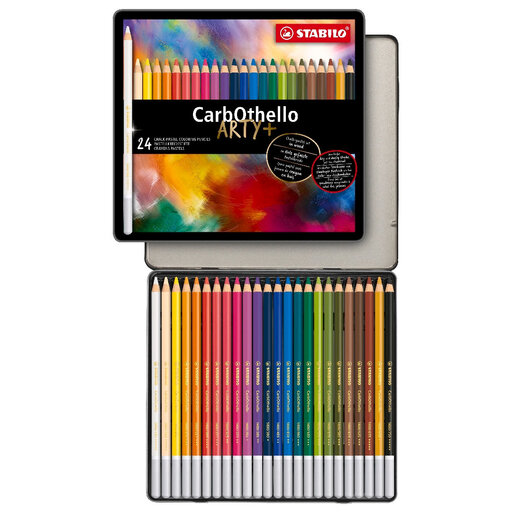
Why It Stands Out: The Stabilo CarbOthello pencils successfully merge the rich, dry texture of chalk pastels with the control and convenience of a pencil. This unique combination allows for exceptional detail while retaining the blendable, expressive quality of traditional pastels. Their high pigmentation ensures colours appear brilliant, even on dark or delicate papers.
Pros:
Who is it for? This set is perfect for artists, illustrators and designers who require precision in their pastel work. It's also a great choice for anyone who enjoys the texture of soft pastels but prefers a cleaner, more controlled application.
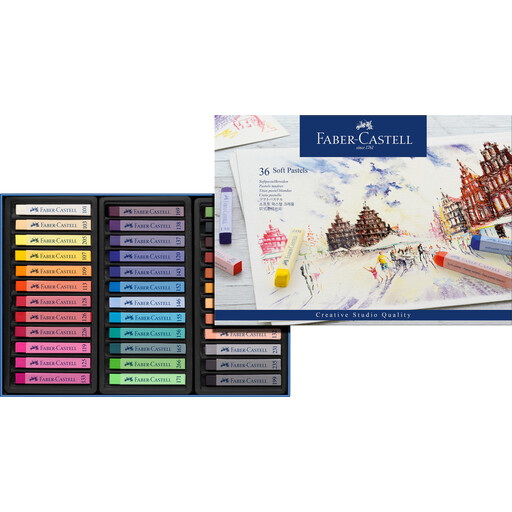
Why It Stands Out: For artists who want to create expressive, painterly effects, these soft pastels from Faber-Castell are an excellent option. They are formulated for an extremely intense colour payoff and a silky-smooth flow, making them incredibly easy to mix and blend. This allows for the creation of seamless gradients and rich, dynamic layers of colour.
Pros:
Who is it for? This set is best suited for artists who prioritise blending and layering in their work. It's a strong choice for creating portraits, landscapes and other expressive pieces where a soft, velvety finish is desired.
While these three sets represent excellent choices for different needs, the world of pastels is vast. If you're searching for a larger set, a specific colour palette or a different brand, there are many more options to discover.
Explore our complete range of pastels to find the perfect match for your artistic journey.
1. What is the main difference between oil pastels and soft pastels? The primary difference lies in their binder. Oil pastels use a wax and oil binder, giving them a firm, greasy texture that is great for layering and bold marks. Soft pastels use a minimal amount of gum binder, making them chalky, powdery and ideal for smooth blending and delicate shading.
2. Do I need special paper for artist pastels? While you can use pastels on standard drawing paper, using paper with a bit of "tooth" or texture will yield much better results. Textured pastel paper, watercolour paper or even fine-grit sandpaper grips the pastel particles, allowing for more vibrant colour and easier layering.
3. How do you stop pastel drawings from smudging? Due to their loose pigment, soft pastel drawings are prone to smudging. The most common method to protect a finished piece is to apply a fixative spray. A fixative is a clear varnish that binds the pastel particles to the paper. It's important to apply it in a well-ventilated area and to use a light, even coat to avoid altering the colours. Oil pastels are less prone to smudging but can also benefit from a specialist oil pastel fixative for long-term preservation.