
24/7 全天候客户支持

免费退货

当日/次日达

品质保障

开启新人专享福利: 全场免邮 | 低至 2 折 | 免费试用 30 天 JoyPlus 会员
下载 Joybuy
Arts and crafts kits can offer an enjoyable screen-free activity, a thoughtful present or a practical route into a new hobby. However, attractive packaging does not always tell you whether a kit will be suitable once it arrives. Missing tools, unclear age guidance and projects that take far longer than expected can quickly turn an appealing purchase into a disappointing one.
This guide explains the main buying pitfalls to avoid, the specifications worth checking and our top recommendations for children, adults, families and creative hobbyists in the UK.
Product photography often shows an impressive finished item, but the box may contain only the central materials. Before buying, check whether the kit includes essential accessories such as brushes, applicators, thread, glue, frames, cards, envelopes or instructions.
For example, a painting craft set may include paints and a brush but still require protective coverings for your table and clothing. A diamond painting kit may include the canvas and drills but not a frame for displaying the finished artwork.
A kit designed for children aged 5 and over is not automatically suitable for unsupervised play. Ceramic pieces, beads, small embellishments and craft tools may present risks for younger children.
Read the manufacturer’s warnings carefully. In the UK, toys should display appropriate age guidance and safety information. Keep packaging and instructions, supervise children where advised and do not give projects containing small parts to children below the stated age.
A 30 × 40 cm diamond painting can require many sessions, while a small cardmaking kit may produce several finished cards in one afternoon. Look for the finished dimensions, number of components and any stated assembly time before purchasing.
A larger project can provide more activity time, but it also needs a clear work surface and suitable storage. Compact kits are often easier to start and put away in a typical UK home.
For DIY craft kits, inspect the contents list rather than relying on the product title. A useful checklist includes:
Materials also affect the finished appearance and durability. Pre-cut plywood is common in a 3D wooden puzzle, while ceramic offers a more substantial surface for decorative painting. For paper projects, check whether cards and envelopes are included.
Diamond painting kits are commonly listed by canvas dimensions. A 30 × 40 cm design is large enough for a noticeable wall display but can still be worked on at a table. A 30 × 50 cm kit offers a taller composition and may need more storage space while unfinished.
For children’s projects, consider the size of the pieces and whether the child can comfortably hold the brush or other tools. For a calligraphy kit, the quality and size of the practice pad matter because ink can bleed through unsuitable paper.
Match the kit to the intended user, not just the theme. A children’s activity may be suitable from age 5, while an intricate mechanical model can be recommended for ages 14 and above. Check for warnings about:
These details are particularly important when choosing kids’ craft kits for family activities or gifts.
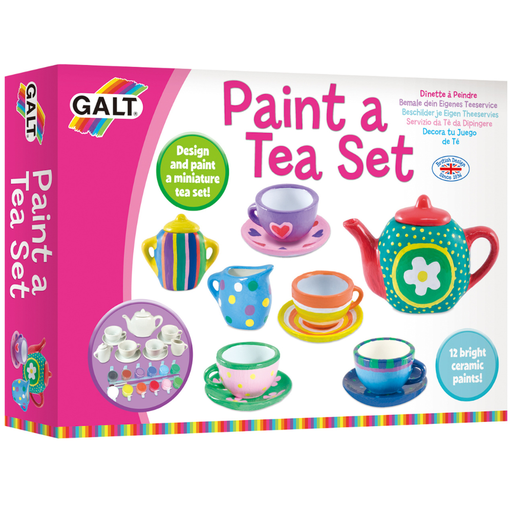
Why This Fits Their Persona: This children’s activity offers a defined project without requiring a separate collection of craft supplies. It is designed for children from age 5 and can also work as a supervised family activity at weekends or during school holidays.
The set lists a mini ceramic tea set, 12 ceramic paints, a paintbrush and a guide, making the project contents easier to assess before purchase. It also gives clear age and small-parts warnings.
Includes 12 colours, a ceramic project and instructions; no batteries are required.
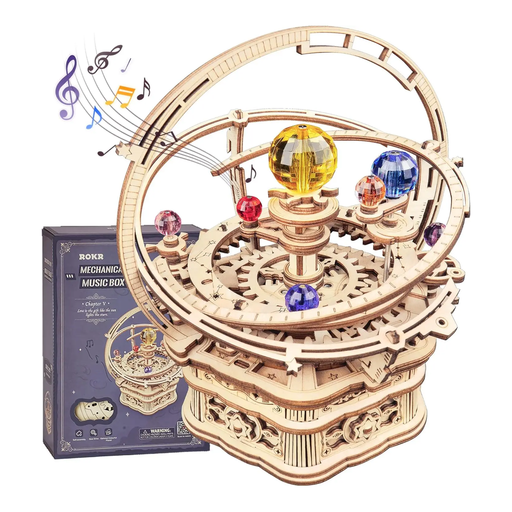
Why This Fits Their Persona: Adults and older teenagers who want a longer construction project with a display function may prefer this mechanical wooden model. It is suited to a dedicated table or hobby space rather than quick, portable crafting.
The listing specifies 84 pieces, an approximate three-hour assembly time and a recommended age of 14 and above. This gives a clearer idea of complexity than relying on the finished image alone.
Uses pre-cut plywood and acrylic; the manually wound mechanism rotates and plays music after assembly.
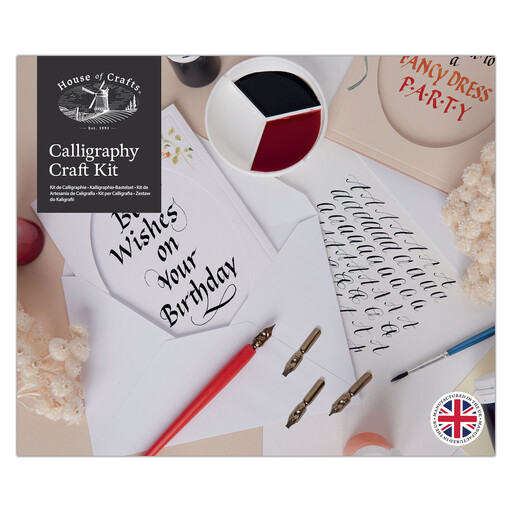
Why This Fits Their Persona: Regular journal writers, stationery enthusiasts and shoppers creating personalised cards or invitations may value a kit that supports repeated practice rather than one single finished object.
The contents are detailed: nib holder, interchangeable nibs, ink reservoir, palette, brush, practice pad, cards, envelopes, bookmarks and gift tags. Buyers can therefore match the kit to their intended projects.
Provides several nibs for different stroke styles and includes a practice pad plus finished-paper projects.
We have compiled a complete, real-time list of products that fully satisfy these strict selection criteria and UK safety regulations.
Many are, but check the stated difficulty, instructions and included tools. A small cardmaking kit or beginner diamond painting kit can be easier to start than a complex 3D wooden puzzle. If the product description does not explain the process, review the contents and finished dimensions before ordering.
The materials may be designed for one finished project, but the activity time varies considerably. A cardmaking kit can produce multiple cards, while calligraphy kits include reusable holders and nibs for ongoing practice. Paints, ink and adhesive may eventually need replacing, so check which components are consumable.
Most do not require electricity or batteries. Ongoing costs can include replacement diamond drills, paper, ink, paint, glue or protective storage. Mechanical models may operate by manual winding, while display projects may need a frame or suitable shelf space after completion.