
24/7 全天候客户支持

免费退货

当日/次日达

品质保障

开启新人专享福利: 全场免邮 | 低至 2 折 | 免费试用 30 天 JoyPlus 会员
下载 Joybuy
Whether you are preparing scrapbook pages, making handmade cards, decorating a journal or planning a classroom activity, the right arts and crafts supplies can make a project more enjoyable and less wasteful. The challenge is sorting useful specifications from vague marketing language.
A low-cost pack may look attractive but prove unsuitable for your paper, surface or adhesive method. Before buying, check the following common pitfalls and match each product to the way you actually craft.
A large set of colouring pens or acrylic paint pens is not automatically versatile. Check the tip design, ink type and compatible surfaces. A pack with one broad nib may be inconvenient for lettering, outlines and small details. Dual-tip brush pens or fine-and-round paint markers can cover more techniques without requiring separate tools.
Also consider storage. Pens left uncapped or stored incorrectly can dry out, particularly in centrally heated rooms during colder UK months.
Paper, card, glass, wood, fabric and ceramics all have different textures and absorbency. A water-based marker that performs neatly on paper may require more preparation on a non-porous surface. Chalk markers may wipe from glass or a non-porous board with a damp cloth, but the product information warns against porous surfaces if easy removal is required.
Always check whether the finish is intended to be permanent, removable, washable or wet-erase before applying it to a valued project.
Metal cutting dies require a compatible die-cutting machine and appropriate plates or sandwiches. Adhesive dots are convenient for embellishments but are not suitable for skin, food containers or unsupervised young children. Liquid glue may be more flexible, but it can introduce drying time, warping or mess.
For children’s activities, check the recommended age and supervise use where products contain small parts. Follow the manufacturer’s instructions, including ventilation advice for markers and paint products.
For drawing, colouring and journalling, compare:
For brush pens, a stated range such as 0.4mm fineliner and 1–5mm brush tip gives a clearer indication of likely line variation than a generic “multi-purpose” description.
Paper weight is measured in gsm, or grams per square metre. Lightweight paper is economical for sketching and basic journalling, while heavier stock is more suitable for wet media, layering and marker work.
A 200gsm marker pad offers a sturdier surface than ordinary printer paper, but it does not guarantee that alcohol ink will not show through. Use a protective sheet beneath each page and check whether the pad is described as bleed-resistant or marker-friendly.
For card making and scrapbooking, also check page size. A square pad, A4 pad or pre-cut card blank will suit different layouts and storage systems.
Match the adhesive to the weight and removability you need:
Check the label for surface compatibility, drying behaviour, clean-up method and age guidance rather than relying on the word “strong”.
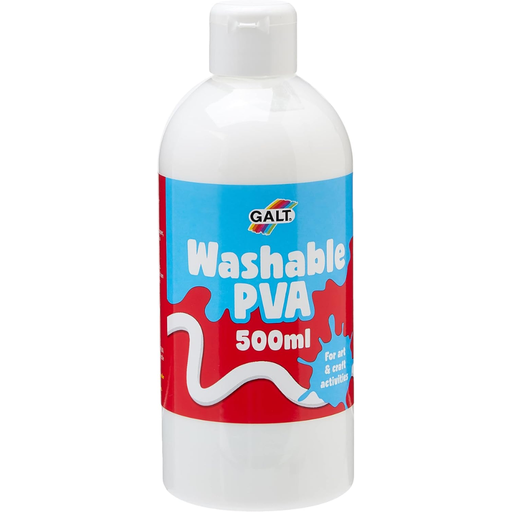
Why This Fits Their Persona: A practical option for families, schools and new crafters who need one adhesive for regular paper-based activities, model work and creative experiments.
The 500ml bottle makes the quantity clear, while the washable formula is intended to help with clothing and work-surface clean-up. It is still important to protect clothing and supervise children.
Suitable for paper, card, wood and fabrics; dries clear and can also be diluted as a glaze for painted models.
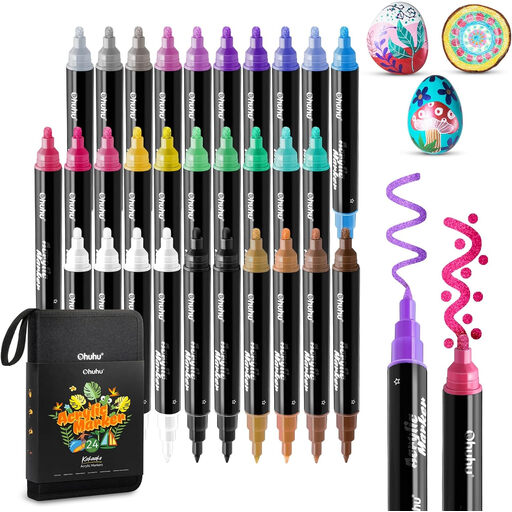
Why This Fits Their Persona: Suitable for crafters who want an expanded metallic palette and one marker set for detailed decoration across paper and harder surfaces.
The dual-tip format provides stated nib sizes of approximately 0.7–2mm and 1.7–3mm, rather than relying on a single general-purpose point.
Includes 24 metallic colours, four white and two black markers, plus eight replacement nibs and a storage case.
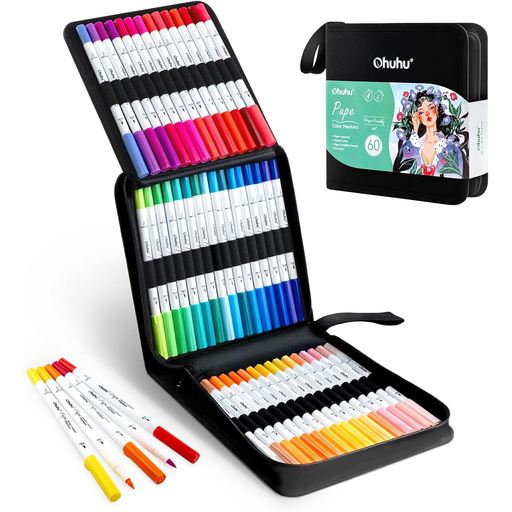
Why This Fits Their Persona: A flexible choice for adult colouring books, bullet journals, calligraphy practice and illustration where both fine lines and brush strokes are useful.
The listing specifies paper-friendly, water-based ink and identifies both nib types, helping buyers assess suitability beyond the colour count.
Contains 59 colours and one colourless blender, with a 0.4mm fineliner and 1–5mm flexible brush tip in each pen.
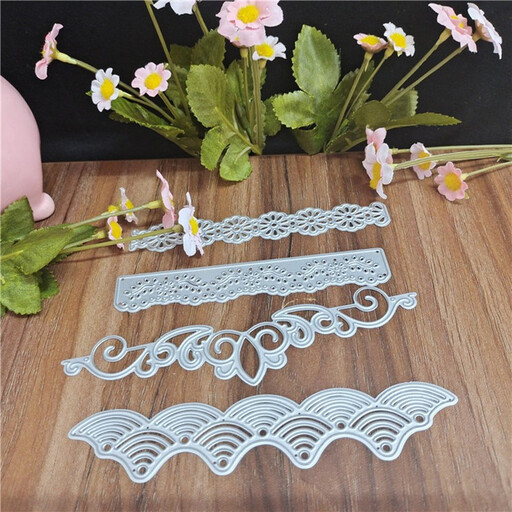
Why This Fits Their Persona: Designed for users producing repeated decorative elements for scrapbook albums, handmade cards and paper craft projects.
The pack states the material as carbon steel and the quantity as four pieces. Confirm the dies’ dimensions and your machine’s compatibility before ordering.
Suitable for DIY paper and card making; metal templates can support repeatable shapes and layered designs.
We have compiled a complete, real-time list of products that fully satisfy these strict selection criteria and UK safety regulations.
Once the main tools are chosen, small accessories can improve project control:
For a project involving several wet products, allow adequate drying time between layers. Store markers with caps secured, keep liquid glue sealed and protect finished work from moisture, heat and direct sunlight where the product instructions recommend it.
Start with paper or card, a mixed set of colouring pens or brush pens, washable PVA glue, scissors and a small selection of embellishments. If you mainly make cards or scrapbook pages, adhesive dots and one set of metal cutting dies can add decoration without requiring a large tool collection.
They can be suitable for paper, wood, rocks, ceramics, glass, plastic, fabric and canvas when the product is listed for those surfaces. Test an inconspicuous area first, follow drying and cleaning instructions, and use markers in a well-ventilated space. Do not treat “non-toxic” as permission for contact with eyes, skin or food surfaces.
Replace caps firmly after every use, store pens as directed and avoid leaving markers in direct sunlight or heat. Keep adhesive dots on their backing sheet until needed, close PVA glue immediately after use and use a protective sheet beneath marker pads. Buying only the formats your projects require can also reduce dried-out, unused materials.