
24/7 全天候客户支持

免费退货

当日/次日达

品质保障

开启新人专享福利: 全场免邮 | 低至 2 折 | 免费试用 30 天 JoyPlus 会员
下载 Joybuy
Choosing arts and crafts kits for kids can seem straightforward until you compare age labels, materials, clean-up requirements and the number of activities included. A brightly packaged set may look appealing but provide only a few minutes of play, while a low-cost kit may contain small pieces that are unsuitable for younger children.
This guide from the Joybuy Product Recommendation Officer focuses on practical details, helping parents, carers, relatives, teachers and gift buyers choose suitable children's craft kits for home, school, parties and travel.
Some creative activity sets use generous packaging but contain limited consumables or only one finished project. Check the contents list carefully. The number of boards, colouring pages, paints, accessories or tools is usually more useful than the box size.
Reusable formats can provide better value for younger children. For example, water-reveal pages can be used repeatedly, while a multi-project party pack may be more appropriate when several children need an activity.
A kit intended for a six-year-old may not be suitable for a three-year-old, even if both children enjoy colouring. Be particularly cautious with beads, charms, glitter, magnets, styluses and small building components.
Always check the stated age range and product warnings. Products with small parts should be kept away from younger children and used with suitable adult supervision. For UK purchases, look for applicable CE or UKCA marking, clear manufacturer details and safety instructions where required. These markings should support, not replace, an adult’s judgement about a child’s ability and maturity.
Water-based colouring systems, foil art and scratch art can reduce spills, but they still need a suitable surface and storage. Paint marbling may require preparation, drying time and careful handling of tools. Before buying, consider where the activity will take place and whether an adult needs to set it up.
The age label is one of the most important specifications. For children aged three to five, look for chunky components, straightforward steps and limited preparation. Children aged six to ten may enjoy more detailed projects involving assembly, colour matching or several stages.
Read the warning section as well as the recommended age. Some DIY craft kits for children are designed for independent use only after an adult has explained the process.
Reusable products can suit regular home use and travel. Water Magic colouring boards, for example, reveal colour when wet and return to a blank appearance once dry. Consumable kits can still offer good value when they include several projects, such as multiple bookmarks, stickers or cards.
For kids’ art supplies, check whether replacement paper, paint or special pens are needed. A kit that depends on proprietary refills may cost more to use over time.
Compact packaging is helpful for school bags, holidays and car journeys, but small boxes may contain smaller working areas. Check package dimensions and whether the set includes a tray, pouch, pen holder or resealable pack.
For home use, consider wipe-clean surfaces and washable materials. Paint, pastels and loose glitter require more supervision and preparation than colouring sets or adhesive foil activities.
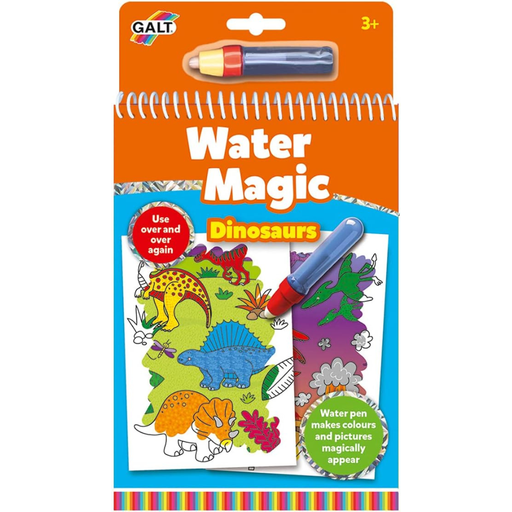
Why This Fits Their Persona: A practical starting point for families wanting a reusable, low-preparation activity for children aged three and above, including journeys and rainy afternoons.
The six reusable picture boards help avoid a single-use colouring set, while the water pen removes the need for paint or ink.
Six reusable pages, refillable water pen and resealable packaging. Suitable from age three, with adult supervision advised.
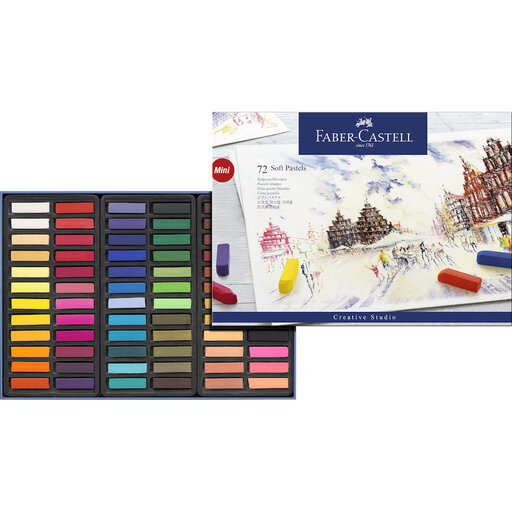
Why This Fits Their Persona: A colour-focused option for older children, school art settings or families looking for a broader medium than standard colouring pencils.
The compact slide-out box keeps the pastels organised and protected, rather than leaving loose colours difficult to store.
Soft, blendable colour deposit and a storage wallet. Use on suitable art paper, with supervision and hand-washing after use.
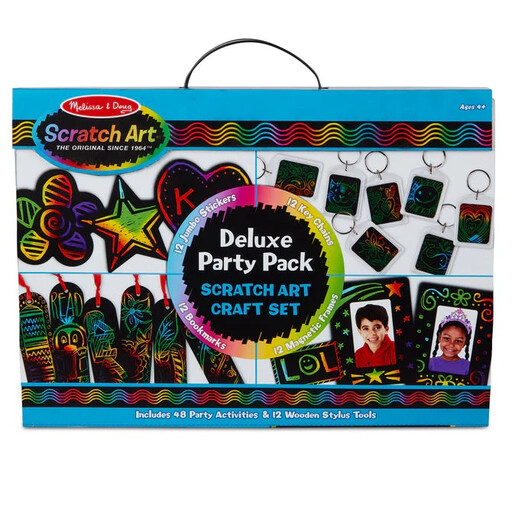
Why This Fits Their Persona: Designed for birthday parties, classrooms, rainy-day groups or households where several children need a shared creative activity.
The pack contains 48 projects, so it is less likely to run out after one child completes a single activity.
Includes stickers, key chains, bookmarks, magnetic frames and wooden styluses. Suitable from age four; scratch residue still needs clearing.
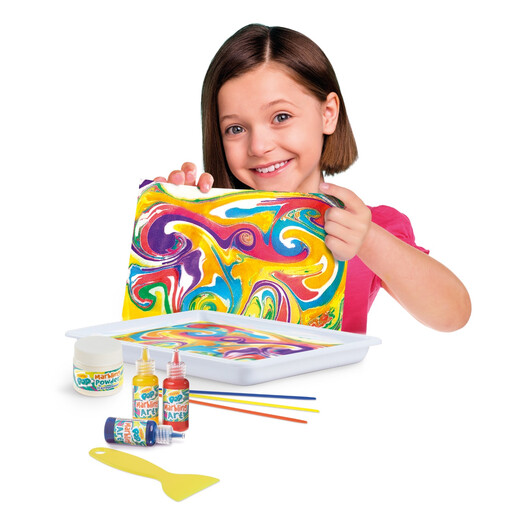
Why This Fits Their Persona: Suitable for children aged five and above who enjoy process-led painting and want to create several individual artworks.
It lists the paints, tray, tools, paper and instructions included, making the required equipment clearer before purchase.
Includes 12 colours and 10 creation papers. Hot tap water preparation and three-to-five-hour curing time should be planned in advance.
We have compiled a complete, real-time list of products that fully satisfy these strict selection criteria and UK safety regulations.
Choose activities with chunky components, simple instructions and clear supervision guidance. Water-reveal books, character colouring sets and basic sticker or foil activities can be easier to manage than kits containing beads, needles or numerous small accessories.
Use a washable table covering, keep paints and pastels in a tray and store unfinished projects in a labelled folder. For travel, select resealable packaging and activities that do not require scissors, glue or drying time.
Many colouring sets, pastel packs and building activities do not require batteries. However, some painting kits need water, paper protection, drying space or household measuring equipment. Check the full contents list before ordering so the activity can begin without an unexpected additional purchase.