
24/7 全天候客户支持

免费退货

当日/次日达

品质保障

开启新人专享福利: 全场免邮 | 低至 2 折 | 免费试用 30 天 JoyPlus 会员
下载 Joybuy
Choosing arts and crafts kits for kids can seem straightforward until you discover that the box contains too few materials, the instructions are unclear or the activity is unsuitable for the child’s age. Parents, grandparents and gift buyers often want a creative alternative to screens, but marketing descriptions do not always explain what play is really like at home.
As the Joybuy Product Recommendation Officer, I focus on practical details that help shoppers avoid wasted money and choose children’s craft kits that match a child’s ability, interests and available space.
A kit may advertise dozens of pieces, but this does not always mean children can start creating immediately. Check whether the box includes essential items such as paints, brushes, string, templates, glue or tools. Some projects also require household materials, which may be inconvenient when buying a birthday gift or travel activity.
Beads, marker caps, magnetic tiles and decorative embellishments may present choking risks for younger children. A kit marked for age 5 may still need direct adult supervision, particularly where small components, ceramics, water or paint are involved.
Age guidance should be treated as a practical starting point rather than a guarantee that every child will manage independently. Consider hand strength, concentration, previous crafting experience and whether an adult will be available to help.
Some colouring systems work only with specially coated paper. Others involve water, paint, glitter or adhesive materials. A product may be low-mess without being suitable for carpets, upholstered furniture or unsupervised play. Read the usage instructions carefully and prepare a washable work surface where necessary.
For arts and crafts for ages 3 to 10, the most important starting point is the recommended age. Preschool colouring books and water-reveal activities may suit younger children, while jewellery making, bead art and detailed painting projects usually require more precise hand movements.
Look for clear warnings about:
A suitable kit should offer an achievable first project without making the child dependent on an adult for every step.
For craft kits sold in the UK, check the packaging or listing for relevant conformity information, such as CE or UKCA marking where applicable, along with manufacturer or importer details. Markings do not replace age guidance, instructions or supervision.
For paints, markers and other wet materials, look for clearly stated material information and usage instructions. “Non-toxic” should not be interpreted as permission to ingest products or use them around very young children without supervision.
Magnetic building toys require particular care. Check that magnets are securely enclosed, inspect pieces before use and remove any damaged tile immediately. Keep magnetic components away from children who may place small objects in their mouths.
A kit’s long-term value depends partly on how easily it can be stored and reused. A carry case or storage pouch can help prevent beads, tiles and templates from becoming lost. For colouring products, check the number of pages and whether special refills or paper are needed.
Also consider the finished item. A painted money box, handmade jewellery or decorated plate can extend the activity into imaginative play or room decoration, while a single-use project may be more suitable for a party or rainy-day treat.
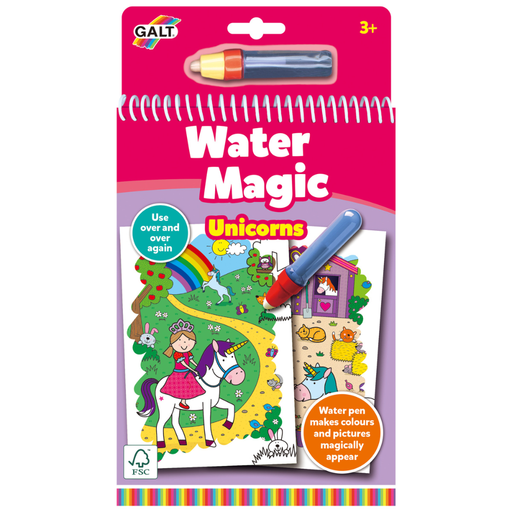
Why This Fits Their Persona: A compact option for younger children, short trips and families wanting a reusable activity without a full paint setup.
It does not require crayons, paint or markers. The reusable pages reveal colour with the refillable water pen and fade as they dry.
Includes six reusable pages and a refillable pen; listed for children from age 3.
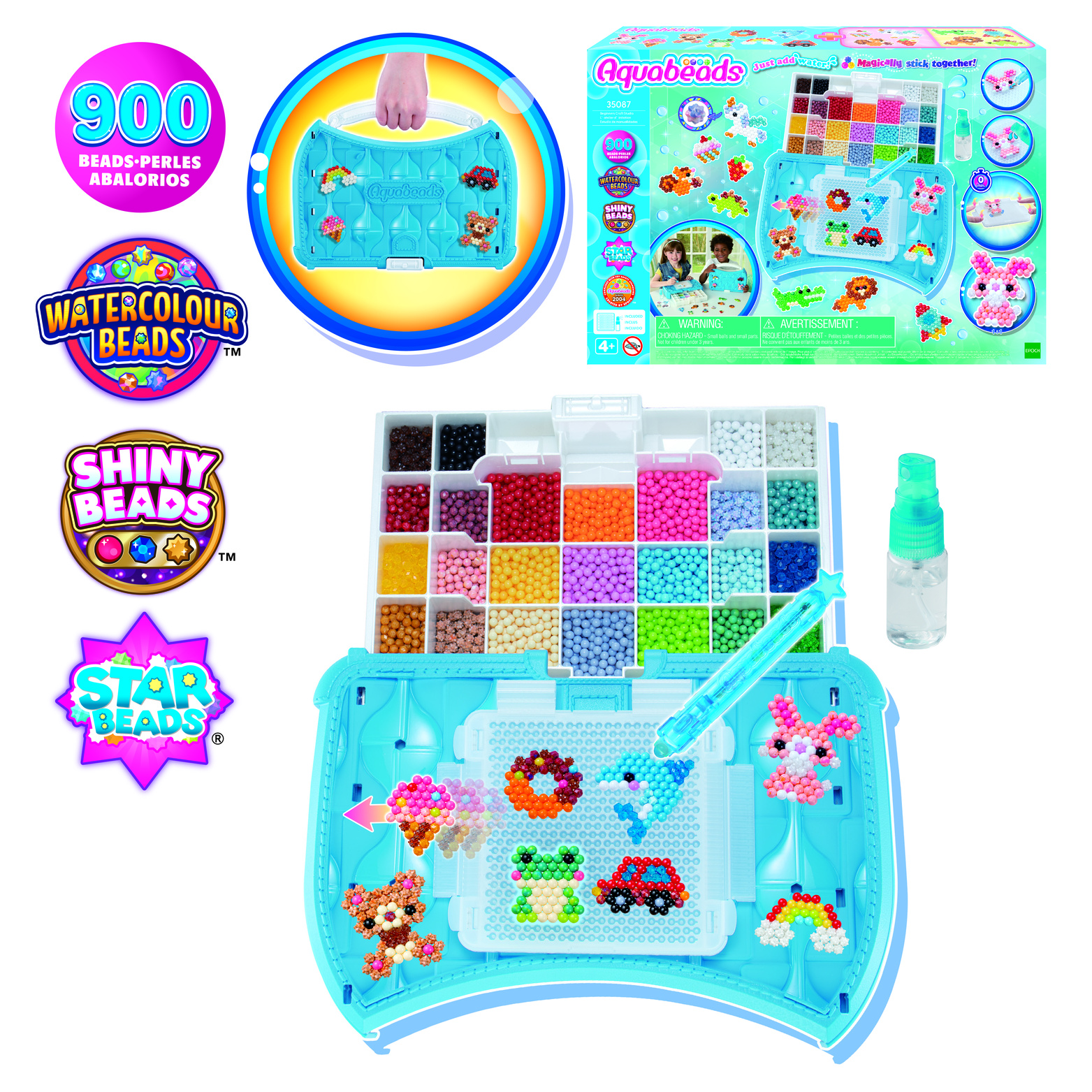
Why This Fits Their Persona: Suitable for families seeking an organised, detail-focused activity with varied designs and a dedicated storage solution.
The contents are specified clearly: 900 beads in 25 colours, two template collections and a portable carry case.
Offers classic, jewel, polygon and shimmering watercolour bead types; listed for children from age 4.
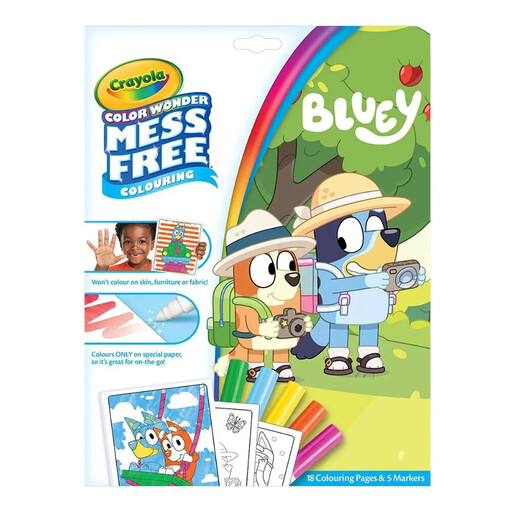
Why This Fits Their Persona: A practical choice for journeys, waiting rooms and home colouring when reducing marks on surrounding surfaces matters.
The special ink is designed to appear on Colour Wonder paper rather than skin or ordinary surfaces. The pages and markers are included.
No batteries are required; the set features Bluey-themed colouring pages and markers for children from age 3.
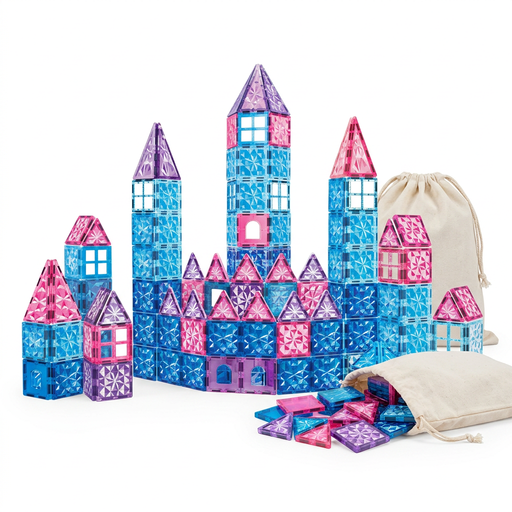
Why This Fits Their Persona: A building-focused option for children who prefer constructing shapes, experimenting with colours and creating structures rather than colouring pictures.
The starter collection specifies 58 pieces, magnetic connection, a storage pouch and smooth-edged ABS construction.
Introduces geometry and construction play; the set requires no installation and can be wiped clean with a damp cloth.
We have compiled a complete, real-time list of products that fully satisfy these strict selection criteria and UK safety regulations.
For a birthday gift, match the theme to the child’s interests, but also check whether the kit suits independent play. Creative toys for kids are more likely to be used when the first activity feels manageable and the materials are ready to hand.
Look for products specifically listed from age 3, such as reusable water-colouring books or special-paper colouring sets. Adult supervision remains important because these products can include small components or marker caps. Avoid bead, jewellery and detailed craft kits unless the manufacturer states that they are suitable.
It depends on the format. Water-reveal books can be reused as pages dry, while colouring sets are limited by the number of included sheets. Building tiles and jewellery components may support repeated projects, although beads, string and other consumables can eventually run out. Check whether refills are available before buying a kit for regular use.
Some do. Paint kits may need replacement paint or brushes, bead activities may require refills and special-paper colouring systems need compatible paper for future use. For occasional play, an all-in-one set may be convenient. For frequent crafting, compare the initial contents, refill availability and storage before deciding.