
24/7 全天候客户支持

免费退货

当日/次日达

品质保障

开启新人专享福利: 全场免邮 | 低至 2 折 | 免费试用 30 天 JoyPlus 会员
下载 Joybuy
Buying arts and crafts supplies can quickly become expensive when attractive packaging hides small pack sizes, unsuitable materials or tools that do not match your project. Whether you are making cards, decorating gifts, building a scrapbook or organising a study journal, the right supplies should be selected for the way you will actually use them.
Three common purchasing traps are worth avoiding:
The following checks make it easier to compare products objectively before adding them to your basket.
Start with the intended use rather than the colour or design. Scrapbooking supplies need to work with photographs, patterned paper and layered embellishments, while card making supplies should suit the card stock you plan to use.
For example:
A product described broadly as suitable for arts and crafts may still have a narrow practical application. Look for dimensions, materials and included components wherever these are listed.
Pack size affects the overall value of a craft purchase. A 50-piece embellishment pack may be more suitable for party decorations, classroom activities or multiple scrapbook pages than a small decorative set.
For writing tools, tip size changes the result. A 0.5 mm gel pen creates finer lines for notes, outlines and detailed journalling, while a dual-tip highlighter with 1.4 mm bullet and 4.0 mm chisel tips offers both narrow and broad marking.
For cutting dies, measure the design against your card blanks, scrapbook layouts and machine platform. Floral, border and frame designs can create very different results, even when made from similar metal materials.
Liquid glue can spill, string or require drying time. Pressure-sensitive adhesive glue dots offer a cleaner approach for small decorations, but the finished bond still depends on the surface and the weight of the item.
Pens and highlighters should be stored with caps secured or retracted where applicable. Products containing small parts, such as pen caps, mini pegs and metal dies, should be kept away from young children. Always follow the product warning and supervise children where the packaging recommends it.
Metal dies and springs may have sharp edges. Store them in labelled pockets, boxes or folders so they remain easy to locate and less likely to damage paper or other supplies.
The following products suit different craft routines rather than one universal shopping style.
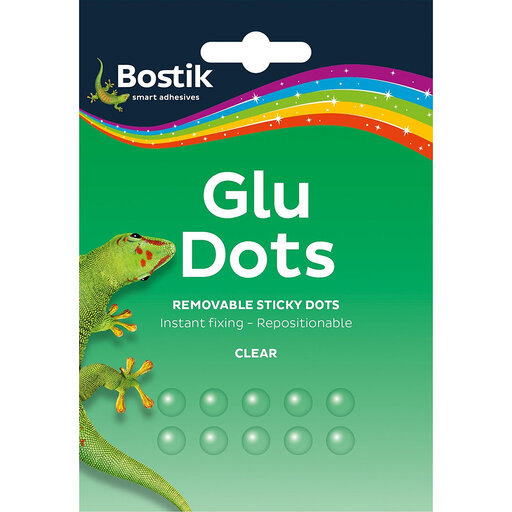
Why This Fits Their Persona: A practical starting point for scrapbookers, card makers and families who want controlled adhesive application without keeping liquid glue bottles nearby.
The stated pack format is 12 sheets of 64 dots, making the quantity clearer than a product image alone. The dots are lifted from a backing sheet and pressed into place.
Pressure-sensitive adhesive; suitable for sequins, beads, rhinestones, wiggly eyes, collages and model making.
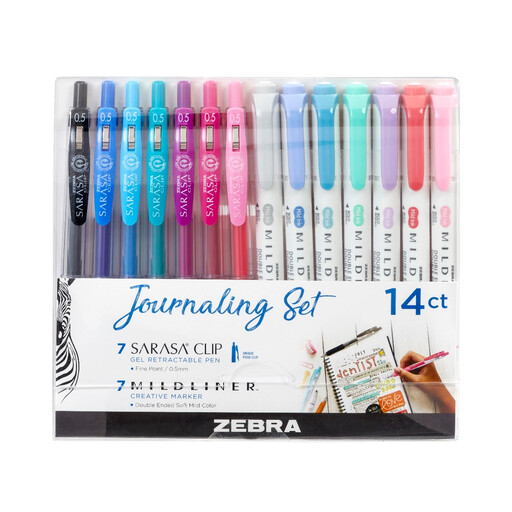
Why This Fits Their Persona: Suitable for planners, students and journalers who want coordinated writing tools in one 14-piece set for colour coding and decorative lettering.
The set contents and tip sizes are specified: seven dual-tip highlighters and seven 0.5 mm gel pens. This helps buyers compare the complete bundle with smaller mixed sets.
Seven pastel highlighter shades; 1.4 mm and 4.0 mm tips; 0.5 mm water-based pigment gel pens with retractable clips.
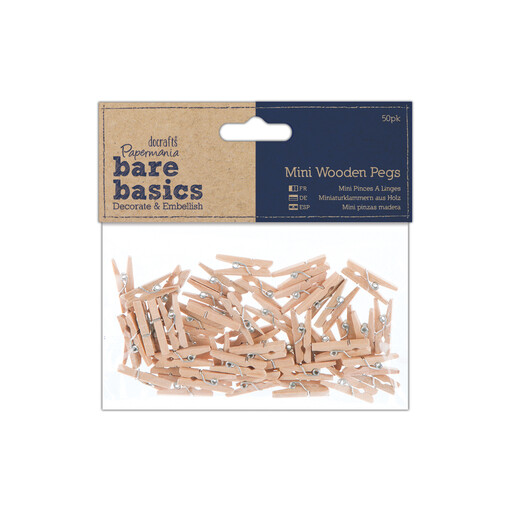
Why This Fits Their Persona: A useful choice for repeat projects, classroom activities, photo bunting, gift wrapping and makers who need many small decorative clips.
The pack contains 50 pegs, each approximately 2.5 cm long, and is intended for lightweight items. This makes the capacity and limitations clear before purchase.
Natural wooden surface can be painted, inked or left plain; functioning metal spring; suitable for tags, cards, photos and bunting.
We have compiled a complete, real-time list of products that fully satisfy these strict selection criteria and UK safety regulations.
Craft cutting dies are designed to cut shapes from suitable paper or card when used with a compatible machine. Floral dies, lace borders, frames and seasonal motifs can add repeatable detail to cards and albums.
Embossing stencils create a raised or textured effect rather than simply cutting through the material. Check the tool and sandwich configuration recommended for your machine, as pressure and plate requirements vary.
Stamp-and-die sets combine stamped imagery with a matching cut shape. They can be useful for coordinated card making, but check whether the stamps are clear, mounted or supplied with additional accessories.
For any metal die purchase, look at the listed design type and intended application. A border die is suited to edges and frames, while a flower die may be more useful for layered embellishments.
Start with a basic paper or card supply, scissors or a compatible cutting tool, pens, adhesive and a small selection of embellishments. DIY paper crafts are accessible because they do not require a large workspace or specialist equipment. Add cutting dies, stamps or embossing tools once you know which projects you enjoy.
Keep paper flat and dry, pens capped or retracted, and metal dies in labelled sleeves or magnetic storage sheets. Store adhesive products according to their packaging instructions. Small components should be separated from children’s toys and kept out of reach of children under the stated age.