
24/7 Customer Support

Free returns

Same-day & Next-day Delivery

Quality Guaranteed

Unlock Your Welcome Offers: FREE Delivery | Up to 80% OFF | Free 30-day JoyPlus trial
Download the APP
Shopping for Asahi Japanese drinks in the UK can involve more choice than expected: crisp lager, fruit-flavoured sours, non-alcoholic beer, sugar-free-style products and Japanese confectionery. The challenge is separating useful product information from vague marketing language.
Before ordering, check the alcohol percentage, serving size, ingredients, allergens, country of origin and pack format. These details affect suitability for food pairing, storage, budgeting and responsible consumption.
Some products are made in Japan, while certain Asahi Super Dry beer cans or bottles may be brewed under licence elsewhere, depending on the product and distribution market. For example, the 24-bottle and 24-can listings state Italy as the country of origin, while several single bottles and Japanese sour drinks state Japan.
If origin matters to you, do not rely only on the brand name or front-of-pack design. Check the product page and the physical packaging before opening.
A 3% or 4% drink still contains alcohol. An Asahi Slat sour at 3% ABV contains approximately 1.1 UK units per 350ml can, while the 4% Asahi Zeitaku Shibori Grapefruit contains approximately 1.8 units per can. These are lower-strength options than a 5% lager, but they are not suitable for people avoiding alcohol altogether.
For an alcohol-free-style choice, check for 0.0% ABV rather than relying on terms such as “light”, “sessionable” or “low alcohol”.
A sugar-free Japanese beer may still contain carbohydrates, sweeteners or other ingredients that matter to your personal dietary choices. Product descriptions and packaging can also differ between markets. One Asahi Style Free listing describes a sugar-free formula, but the supplied ingredient information includes sugar, so the label should be checked carefully before purchase.
Likewise, some Japanese sour drinks contain sweeteners and fruit ingredients. “Citrus”, “fresh” or “dry” describes flavour, not necessarily sugar content.
The ABV tells you the percentage of alcohol by volume. Pack size then determines the approximate number of UK units:
Adults in the UK are advised not to regularly exceed 14 units per week. Alcohol should be avoided during pregnancy, before driving and when operating machinery.
Single-serve bottles and cans are practical for trying a flavour or controlling portions. Multipacks offer convenience for parties, Japanese meals and regular stock-up shopping, but they require more storage space and tie up more of your budget.
Store unopened drinks according to the packaging, away from heat and direct sunlight. Chill beer and sour drinks before serving. Once opened, consume promptly; carbonation and flavour will decline after exposure to air.
Asahi Super Dry contains barley and therefore gluten. Some listings also identify rice, maize, corn starch and hops. This makes the allergen panel important for anyone avoiding gluten or specific cereals.
Asahi Slat listings state no allergens, while Asahi Gun-Gun-Gurt contains milk and soya. Mintia mints have separate ingredient lists and may contain sweeteners such as sorbitol, aspartame or acesulfame K. Always use the current packaging as the final reference, especially if you have an allergy or dietary restriction.
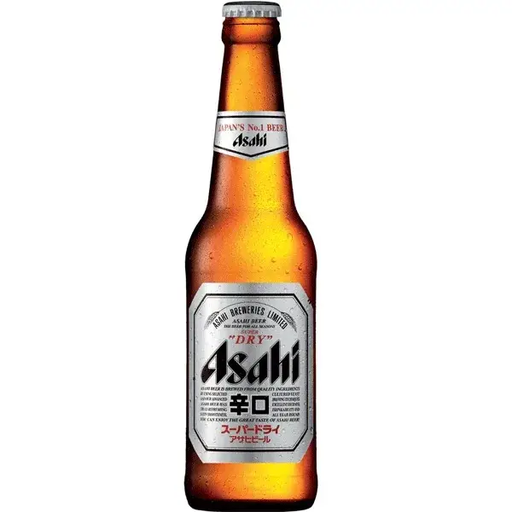
Why This Fits Their Persona: A single 330ml bottle lets first-time shoppers try Japanese beer without committing to a case, making it suitable for a quiet meal or an initial taste comparison.
The serving size and 5% ABV are clear, so buyers can assess units before ordering rather than guessing from the bottle design.
330ml format; crisp, dry lager profile; suitable for pairing with sushi, grilled food and savoury snacks.
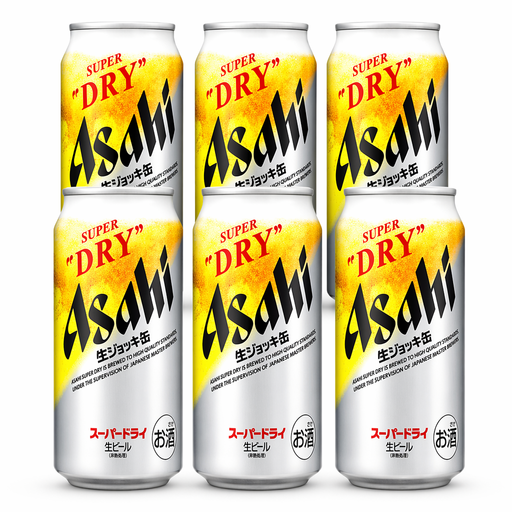
Why This Fits Their Persona: Designed for people who enjoy the presentation of draft beer at home, this 340ml can suits Japanese dinner parties, barbecues and relaxed hosting.
Its distinctive foaming-can format is a stated feature rather than an assumption based on branding; chilling instructions should be followed for the intended pour.
5% ABV; 340ml serving; full-open draft-style can; contains barley gluten.
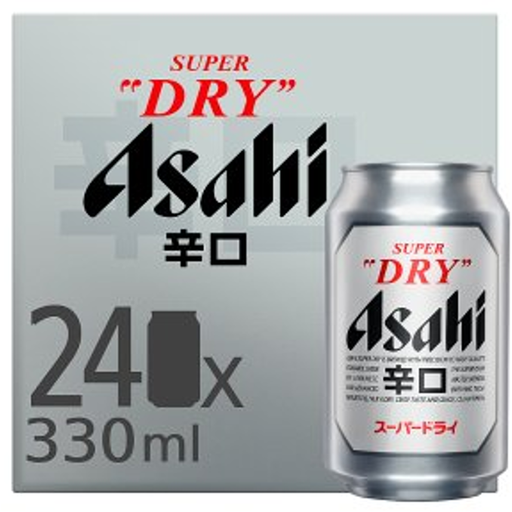
Why This Fits Their Persona: A 24-can case is suited to hosts, larger households and shoppers stocking drinks for repeated meals or social occasions.
The case quantity is stated upfront, helping buyers compare total cost and cupboard space instead of mistaking a bulk pack for a small multipack.
24 x 330ml cans; 5% ABV; easy to chill and distribute at gatherings.

Why This Fits Their Persona: A 0.0% multipack gives designated drivers and adults avoiding alcohol a beer-style option for meals and gatherings.
The label specifies 0.0% ABV and 0.0 units per can, avoiding the ambiguity associated with “low-alcohol” wording.
Four 330ml cans; 0.0% ABV; contains barley and gluten; listed at 25 kcal per 100ml.
We have compiled a complete, real-time list of products that fully satisfy these strict selection criteria and UK safety regulations.
For fruit-forward Japanese ready-to-drink drinks, compare the 3% Asahi Slat grapefruit sour, white peach sour, Chardonnay sour and lemon sour listings. Flavour names and nutritional details may vary between products, so review the individual label rather than assuming all Slat cans use the same recipe.
The Asahi Mintia mints range offers compact sugar-free confectionery, including Calpis-style and grape varieties. These are useful for desk drawers, travel or post-meal refreshment, but check sweetener information if you are sensitive to polyols or artificial sweeteners.
Asahi Super Dry is a Japanese beer brand and follows the dry, crisp “karakuchi” style associated with the range. However, country of origin can vary by listing. Check whether the specific bottle or can was made in Japan or brewed under licence elsewhere.
The Asahi Non-Alcohol Beer 4x330ml Can is listed at 0.0% ABV. Asahi Slat products are generally listed at around 3% ABV, while Asahi Style Free and Zeitaku Shibori listings are around 4% ABV. Always confirm the current packaging before purchase.
Yes, depending on flavour and strength. Asahi Super Dry’s dry lager profile can accompany sushi, fried dishes, grilled meats and savoury snacks. Grapefruit and peach sour drinks may suit lighter meals, seafood or fruit-based desserts. Serve chilled and match the drink’s sweetness and acidity with the dish rather than relying solely on the brand name.