Joybuy Insights

A Guide to Buying Asian Alcoholic Drinks in the UK

The world of Asian alcoholic drinks is vibrant, diverse and rapidly gaining popularity across the UK. From the crisp refreshment of Korean soju to the profound complexity of Chinese baijiu, there is a vast landscape to explore. However, this variety can also be a source of confusion. Navigating unfamiliar terms and beautifully designed bottles can lead to costly mistakes, leaving you with a drink that doesn't match your occasion or palate.

As the Joybuy Product Recommendation Officer, my role is to help you see past the marketing and make informed choices. Let's look at the common pitfalls many UK shoppers encounter and how to avoid them.

  • The "Clear Spirit" Mix-Up: It's easy to assume that all clear Asian spirits are similar. Buying a potent, high-proof Chinese baijiu when you were expecting the light, easy-drinking nature of a flavoured soju is a frequent misstep. The flavour profiles and ideal uses are worlds apart.
  • The "Premium" Label Trap: Many bottles are labelled "premium," but the term is often meaningless without context. For Japanese sake, quality is tied to specific classifications like junmai daiginjo, which indicates the rice polishing ratio. For baijiu, it might relate to the age of the base liquor or the fermentation pits used. Simply paying more without understanding these markers can lead to disappointment.
  • Ignoring the Occasion: A low-alcohol, fruity plum wine is perfect for a relaxed evening, but it might not be the right choice for a formal toast at a celebration like the Mid-Autumn Festival, where a prestigious baijiu would be more traditional. Matching the drink to the event is key.

Decoding the Essentials: What to Check Before You Buy

To ensure you get the right bottle every time, focus on a few core parameters. These objective factors cut through the hype and tell you exactly what to expect.

1. Base Ingredients and Production Method

The fundamental character of any spirit comes from what it's made of and how it's made. This is the most important distinction in the world of Asian spirits.

  • Fermented (Brewed): These drinks are created by fermenting starches, much like beer or wine.
    • Japanese Sake: Brewed from polished rice, water, yeast and koji mould. The flavour is nuanced, clean and often has fruity or savoury notes.
    • Plum Wine (Umeshu): Typically made by steeping unripe ume plums in liquor and sugar, although some premium versions are fermented. The result is a sweet and tart liqueur.
  • Distilled: These are true spirits, created by distilling a fermented base to concentrate the alcohol and flavour.
    • Korean Soju: Traditionally distilled from rice, but modern versions often use other starches like sweet potato or tapioca. It's known for its clean, neutral profile, with flavoured soju varieties offering a sweeter, more accessible experience.
    • Chinese Baijiu: A powerful spirit distilled from grains, most commonly sorghum, but also rice, wheat and corn. Its flavour profiles are incredibly diverse, ranging from the earthy and savoury to the floral and fruity strong aroma baijiu.

2. Alcohol by Volume (ABV) and Flavour Profile

The alcohol content is a direct indicator of the drink's intensity and how it should be enjoyed.

  • Low ABV (12-17%): This range includes most Japanese sake, plum wine and flavoured soju. These are generally smoother, less intense and designed for easy sipping, pairing with meals, or mixing into light cocktails.
  • Mid-Range ABV (17-25%): This is the territory of classic, unflavoured Korean soju. It has a more noticeable alcoholic kick but remains clean and crisp, making it a versatile food companion.
  • High ABV (35-60%+): This is the domain of Chinese baijiu. These are complex, potent spirits intended for sipping slowly, often during celebratory toasts. Their powerful character makes them a focal point of any gathering.

Top Product Recommendations

To help you find the perfect match, we've aligned some standout options with different needs and occasions.

MATCH FOR: The Social Drinker & Party Host
Jinro Chamisul Green Grape Korean Soju 350ml

Jinro Chamisul Green Grape Korean Soju 350ml

Why This Fits Their Persona: Ideal for casual gatherings, picnics or introducing friends to Asian spirits. Its sweet, fruity profile and low alcohol content make it incredibly approachable and perfect for sharing. It's a crowd-pleaser that requires no special knowledge to enjoy.

How It Avoids the Trap

This directly avoids the "clear spirit mix-up." It is clearly a flavoured soju with a low 13% ABV, ensuring no one gets an unexpectedly harsh or potent drink. It's designed for easy enjoyment, not intense sipping.

Key Advantage & Pros

Its refreshing green grape flavour is immediately appealing and highly versatile. It can be served chilled on its own or used as a simple base for spirits for cocktails by just adding soda water.
MATCH FOR: The Adventurous Foodie
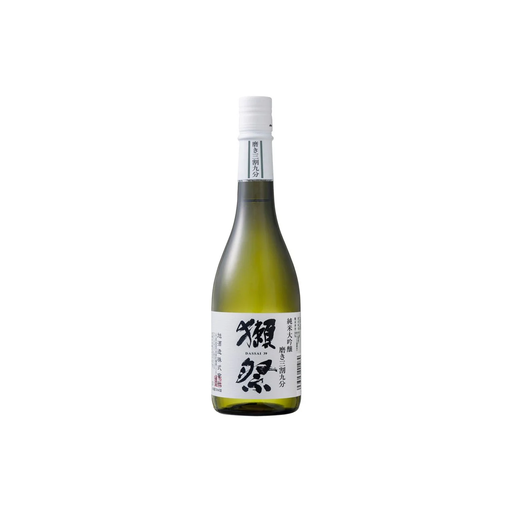
Dassai 39 Otter Festival Junmai Daiginjo Sake 300ml

Dassai 39 Otter Festival Junmai Daiginjo Sake 300ml

Why This Fits Their Persona: For those who appreciate the finer details in food and drink, this sake offers a gateway to premium pairings. It's perfect for elevating a homemade sushi night or exploring how a high-quality sake complements delicate flavours like grilled fish or fresh seafood.

How It Avoids the Trap

This sidesteps the "premium label trap" by offering verifiable quality markers. The junmai daiginjo classification and the "39" in its name refer to the 39% rice polishing ratio—a specific, technical measure of quality that results in a purer, more elegant flavour.

Key Advantage & Pros

It delivers an exceptionally smooth, velvety texture with aromatic notes of green apple and melon. Its clean, crisp finish enhances food without overpowering it, making it a superb dining companion.
MATCH FOR: The Discerning Gifter & Connoisseur
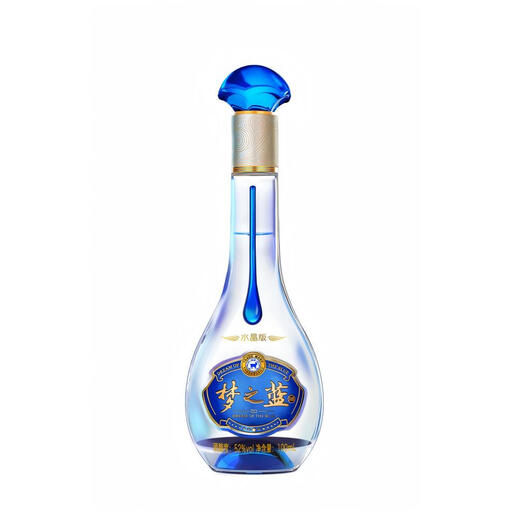
Yanghe Dream Blue M3 Crystal Baijiu 100ml 52%

Yanghe Dream Blue M3 Crystal Baijiu 100ml 52%

Why This Fits Their Persona: When the goal is to impress or honour a tradition, this baijiu is an excellent choice. It's a prestigious spirit ideal for business gifts, special occasions, or as one of the premium Mid-Autumn Festival gifts. The elegant packaging and complex flavour profile convey respect and sophistication.

How It Avoids the Trap

This choice directly addresses the "ignoring the occasion" pitfall. It is a high-ABV (52%), strong aroma baijiu designed specifically for toasting and sipping at important events. It is unapologetically a connoisseur's drink, not a casual mixer.

Key Advantage & Pros

It offers a rich, layered aroma and a surprisingly mellow and smooth palate for its strength. The use of aged base liquors provides a complexity that justifies its premium positioning, making it a memorable gift for anyone looking to buy baijiu UK.

Looking for More Options?

We have compiled a complete, real-time list of products that fully satisfy these strict selection criteria and UK safety regulations.

Frequently Asked Questions

What is the main difference between sake, soju, and baijiu?

In simple terms:

  • Sake is a Japanese brewed rice wine (around 15% ABV) with a delicate, nuanced flavour, often served with food.
  • Soju is a Korean distilled spirit (13-25% ABV), known for its clean, crisp taste. Flavoured versions are very popular for casual drinking.
  • Baijiu is a Chinese distilled grain spirit (35-60%+ ABV) with a very strong, complex and diverse range of aromas and flavours. It is typically reserved for sipping on special occasions.

How should I serve these drinks?

  • Flavoured Soju & Plum Wine: Always serve chilled, straight from the fridge or over ice.
  • Classic Soju & Sake: Generally served chilled. However, some premium sakes can be enjoyed at room temperature to appreciate their full aroma.
  • Baijiu: Traditionally served neat at room temperature in small glasses. It is meant to be sipped slowly.

Can I use Asian spirits in cocktails?

Absolutely. Flavoured soju is an excellent and easy base for simple highballs with soda or lemonade. Classic soju can be used as a substitute for vodka in many recipes for a smoother, lower-alcohol alternative. While less common, some lighter-aroma baijius are also being used by adventurous mixologists to create unique and complex spirits for cocktails.