
24/7 Customer Support

Free returns

Same-day & Next-day Delivery

Quality Guaranteed

Unlock Your Welcome Offers: FREE Delivery | Up to 80% OFF | Free 30-day JoyPlus trial
Download the APP
The world of Asian alcoholic drinks is vast, flavourful and increasingly accessible here in the UK. From the powerful depth of Chinese baijiu to the delicate sweetness of Japanese plum wine, there is a bottle to suit every palate and occasion. However, navigating this exciting category can be challenging. Misleading labels and confusing terminology can lead to disappointing purchases.
As the Joybuy Product Recommendation Officer, my role is to help you sidestep these issues. This guide cuts through the marketing jargon, focusing on the practical details you need to know to choose with confidence, whether you're stocking your home bar, searching for authentic cooking ingredients or finding a unique gift.
Before exploring our recommendations, let’s look at a few common traps that can catch out even enthusiastic buyers.
To avoid these pitfalls, focus on a few key product characteristics. Understanding these will empower you to make an informed decision.
The primary ingredient dictates the fundamental character of the drink.
Always check if a wine is meant for culinary or drinking purposes.
For complex spirits like Chinese baijiu, the aroma is a critical indicator of style and quality. While there are many categories, one of the most renowned is "sauce-aroma." This style, famously associated with Kweichow Moutai, is known for its incredibly complex and savoury scent profile, with notes of fermented beans, toasted nuts and a distinct umami character. Understanding this helps you navigate the world of premium baijiu and find a style you enjoy.
Here are a few selections that align with different needs, each chosen to illustrate how to apply the principles above.
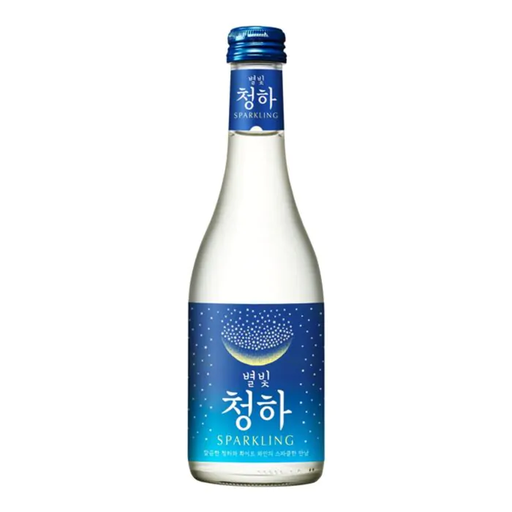
Why This Fits Their Persona: This modern, lightly sparkling rice wine is an ideal entry point for those exploring Korean drinks. It’s crisp, refreshing and pairs exceptionally well with the savoury and spicy foods popular in the UK, from Korean fried chicken to grilled meats.
It is clearly defined as a modern drinking beverage, avoiding the "cooking vs. drinking" confusion. Its clean profile and light carbonation make it approachable and distinct from heavier, traditional rice wines.
Features a low 7.0% ABV, making it a light and sociable option. The blend with white wine and carbonation gives it a clean, crisp finish.
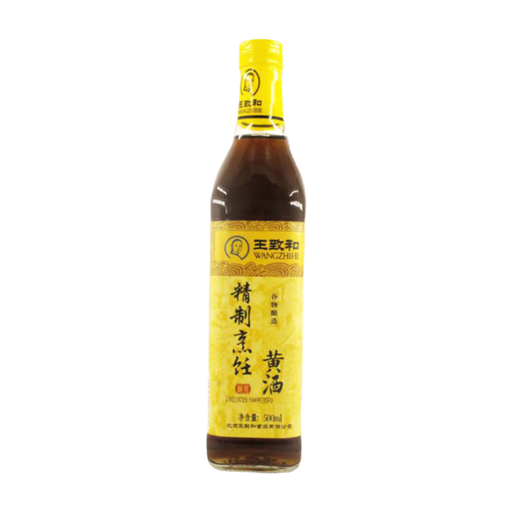
Why This Fits Their Persona: This is an essential pantry item for anyone serious about authentic Chinese cuisine. It is specifically designed to add depth and flavour to marinades, braises and stir-fries, making it a workhorse ingredient for countless recipes.
This product is the direct solution to the "cooking vs. drinking" pitfall. Its purpose is clearly defined, ensuring you use the right wine for the right task and achieve authentic culinary results without any salty surprises.
Formulated with salt, it is highly effective at tenderising meat and removing unwanted odours from fish and seafood. It provides a consistent, savoury flavour base.
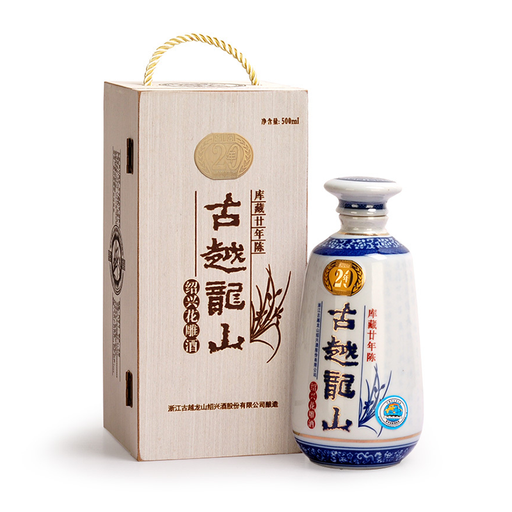
Why This Fits Their Persona: This is a superb choice for a discerning drinker or as a premium gift for a special occasion like the Mid-Autumn Festival. Its complexity and smoothness will appeal to those who appreciate aged whisky or fine sherry, offering a unique and memorable sipping experience.
This counters the "hype over heritage" trap by offering a clear, verifiable mark of quality: a 20-year age statement. This isn't just branding; it's a guarantee of a patient maturation process that yields genuine depth and character.
Patiently aged for two decades, it has a remarkably smooth, velvety texture with complex notes of dried fruit, nuts and caramel. It is best served gently warmed to release its full aromatic potential.
We have compiled a complete, real-time list of products that fully satisfy these strict selection criteria and UK safety regulations.
How should I serve baijiu for the first time? For a high-quality premium baijiu, especially a complex sauce-aroma style, it is recommended to serve it neat at room temperature. Use a small, tulip-shaped glass if possible, as this shape helps to concentrate the intricate aromas. Sip it slowly to appreciate the layers of flavour. It is not typically served with ice or mixers, as this can dilute its character.
What is the difference between Japanese plum wine (umeshu) and plum-flavoured wine? Authentic Japanese plum wine, or umeshu, is a traditional liqueur made by steeping whole, unripe ume plums, sugar and a base spirit (such as shochu or brandy) for several months or years. In contrast, a "plum-flavoured wine" is often a grape-based wine with artificial or natural plum flavouring added. To ensure you are buying the real thing, check the ingredient list for "ume" fruit.
Can I use an expensive aged Shaoxing wine for cooking? While you technically can, it is generally not advisable. A premium, aged Shaoxing rice wine is crafted for sipping, possessing delicate and complex flavours that will be lost in a heavily seasoned dish. A dedicated Chinese cooking wine is far more cost-effective and is specifically formulated with salt to better enhance the food's flavour during the cooking process.