
24/7 Customer Support

Free returns

Same-day & Next-day Delivery

Quality Guaranteed

Unlock Your Welcome Offers: FREE Delivery | Up to 80% OFF | Free 30-day JoyPlus trial
Download the APP
Packing snacks for school, work and family days can become expensive when individually packed portions are small, ingredients are unclear or frozen food takes too long to prepare. Asian back-to-school snacks offer plenty of variety, from Chinese biscuits and crackers to ready-to-eat pastries and steamed buns, but choosing suitable products requires more than selecting the most attractive packet.
This guide focuses on practical details that matter in UK homes: portion control, allergen information, storage, preparation time and how well a product fits your routine.
A large bag may contain individually packed snacks, but the total weight and number of portions can vary considerably. For example, a 408g bag containing 18 sachets offers a different portion format from a 360g family-sharing bag of soda crackers. Check the net quantity, number of inner packs and whether the product is intended for one person or several.
Many Chinese snacks and Asian biscuits use wheat, soya, milk, egg, sesame, peanuts or barley. These ingredients can appear in biscuits, wafers, Chinese crackers, pastries and bao fillings. Always read the current UK packaging before serving, particularly if a child has a diagnosed allergy or your household avoids specific ingredients.
The listed products include examples such as:
Ingredients and allergen statements can change, so the product label should take priority over any online description.
Frozen bao buns and steamed buns are convenient, but they are not all ready-to-eat products. Vegetable bao buns, pork bao buns and char siu buns require thorough heating. Frozen items should generally remain at -18°C or below, should not be refrozen after thawing and must be heated according to the packet instructions.
For school lunchboxes, individually packed snacks such as mini cookies, wafers, sachima and crispy rolls are easier to use because they can be opened and eaten directly. For an after-school meal or weekend snack, frozen buns may be more suitable.
Preparation instructions differ:
Do not put a cooking-required frozen product into a lunchbox without heating it first.
Individual packs help with school bags, office drawers and controlled sharing. Garden Mini Cookies Original Flavour 192g and Garden Wafers 200g include separate inner packs, while Daewoo sachima products contain 18 sachets. These formats can reduce exposure to air after opening, although opened products should still be stored as directed.
Family sharing snacks are useful for homes, offices and afternoon tea. Lai Yifen Soda Crackers 360g, for example, are supplied in a larger format and can be paired with soup, cheese or dips. Once opened, reseal dry snacks carefully to help retain their texture.
Nutrition panels are more useful than front-of-pack flavour descriptions. Compare energy, fat, saturates, sugars and salt per 100g, rather than relying on terms such as “light” or “crispy”. Crackers can have a savoury taste while still containing notable salt, and sweet pastries may contain considerable sugar and fat.
For everyday use, vary the selection instead of relying on one snack type. A small ready-to-eat biscuit portion, a savoury cracker serving or a properly heated bao can each suit a different occasion.
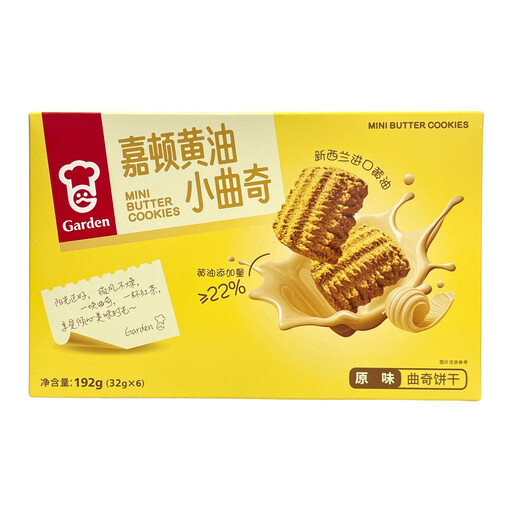
Why This Fits Their Persona: A straightforward starting point for families wanting a familiar wheat biscuit with separate inner packs for school bags and short journeys.
The 192g pack states its net quantity and separate-pack format clearly, rather than relying only on a large outer bag.
Ready to eat; inner packs support carrying and sharing; original flavour suits simple snack preferences.
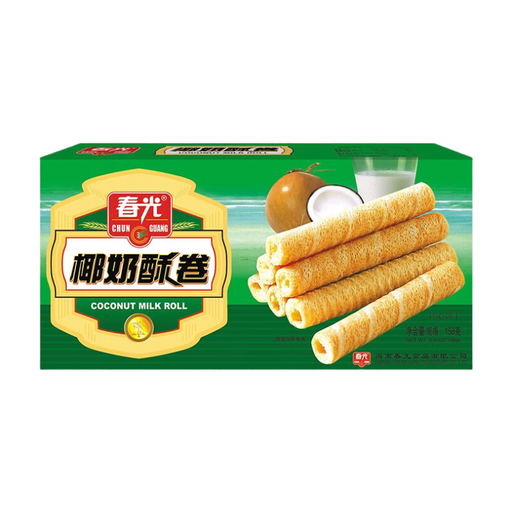
Why This Fits Their Persona: Suits shoppers looking for a more distinctive Chinese pastry for afternoon tea, gifting or a considered desk snack.
The product is described as ready to eat and individually wrapped, making its intended use clearer than an unportioned sharing pack.
Coconut milk and whole milk powder are listed; each roll is individually wrapped for carrying and sharing.
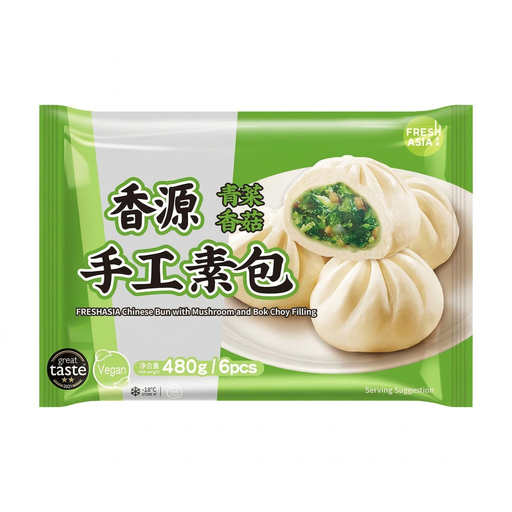
Why This Fits Their Persona: A practical freezer option for households needing a quick vegetarian snack or light meal after school or work.
The instructions specify steaming time, frozen storage and the need to heat the filling thoroughly, avoiding confusion about preparation.
480g pack; bok choy is listed at 33%; suitable for a savoury vegetarian option.
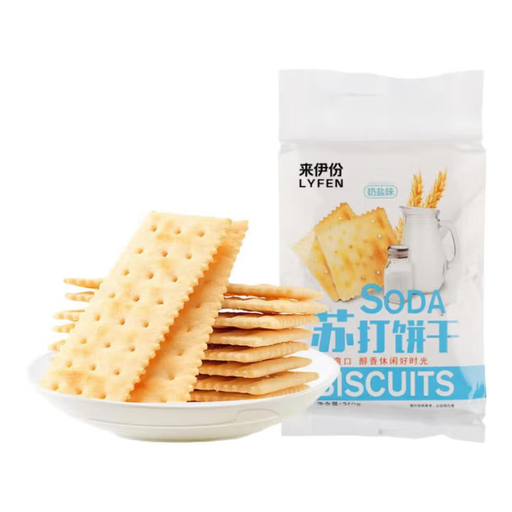
Why This Fits Their Persona: The larger pack works for family snack bowls, office kitchens and afternoon tea rather than single lunchboxes.
Its 360g quantity makes the sharing purpose apparent, reducing the risk of mistaking a family pack for individually portioned snacks.
Ready to eat; suitable with milk, coffee, soup or dips; contains wheat, soya and milk, which are clearly identified.
For varied lunchbox snacks, consider chocolate or peanut wafers, sesame soda biscuits, saltine crackers, egg rolls and individually wrapped mini cream puffs. For hot food, pork bao buns, vegetable bao buns and beef shengjian bao provide different fillings and preparation styles.
Keep dry snacks in a cool, dry place and frozen products in a consistently cold freezer. Check the date marking and packaging condition when your order arrives.
We have compiled a complete, real-time list of products that fully satisfy these strict selection criteria and UK safety regulations.
Choose ready-to-eat, clearly labelled products in manageable portions. Mini cookies, individually packed wafers, sachima sachets, egg rolls and small crispy pastries are convenient options. Check school rules, especially regarding peanuts and other allergens, before packing.
Yes, provided they remain frozen until preparation and are cooked thoroughly. Steamed buns generally require a steamer and several minutes of heating. Follow the specific instructions on the packaging, and do not refreeze once thawed.
Keep them in a cool, dry place away from direct sunlight and moisture. Reseal the original packaging or use an airtight container where instructed. This helps preserve crispness and makes the remaining portions easier to manage.