
24/7 Customer Support

Free returns

Same-day & Next-day Delivery

Quality Guaranteed

Unlock Your Welcome Offers: FREE Delivery | Up to 80% OFF | Free 30-day JoyPlus trial
Download the APP
Navigating the world of Asian bean paste can feel overwhelming. You walk into a shop or browse online, faced with a wall of jars, all promising authentic flavour. Yet, many home cooks in the UK find their finished dishes lack the depth and character of their favourite restaurant meals. The secret often lies in selecting the right jar from that bewildering array.
As the Joybuy Product Recommendation Officer, my role is to help you see past the marketing and understand the fundamentals. Many shoppers fall into a few common traps that lead to disappointing meals and wasted money.
Understanding a few core principles will empower you to choose with confidence, ensuring the paste you buy is the perfect foundation for your culinary creations.
To avoid the pitfalls, focus on what is inside the jar. The type of bean, the intended flavour and the consistency are the three most important factors that determine the paste's use and final taste.
The type of bean used is the primary determinant of the paste's character.
Once you know the bean, identify the dominant flavour.
Pay attention to the product's form. Is it a thick, concentrated paste or a thinner, ready-to-use stir fry paste?
Based on these principles, we have matched a few standout products to different cooking needs and styles.
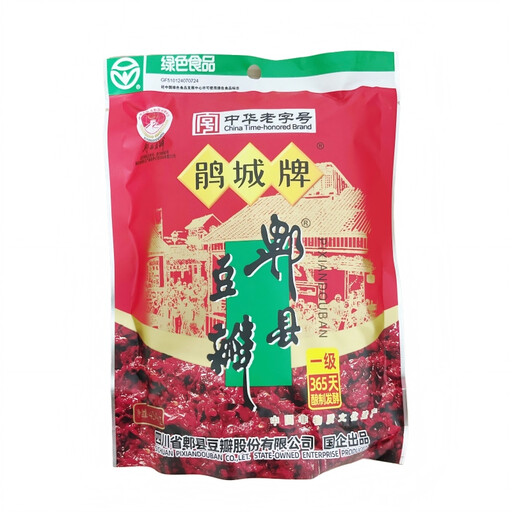
Why This Fits Their Persona: For the home cook dedicated to recreating authentic Sichuan dishes like Mapo Tofu or Twice-Cooked Pork, this is the foundational ingredient. Its origin from Pixian county is a mark of its specific, regional flavour profile.
This is a specialised, authentic doubanjiang, not a generic "chilli sauce". It sidesteps the "one-size-fits-all" trap by providing the specific, fermented broad bean flavour that is irreplaceable in true Sichuan cooking.
Features a rich, savoury aroma and mellow spiciness from traditional fermentation. Recognised as a National Intangible Cultural Heritage product, signifying its adherence to classic production methods.
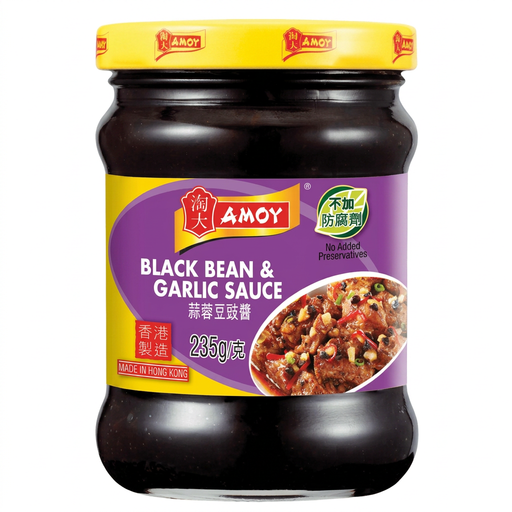
Why This Fits Their Persona: Ideal for busy UK home cooks who want a reliable and flavourful sauce for quick meals. The classic combination of black bean and garlic is versatile and works well with chicken, beef, tofu and a variety of vegetables.
This is a ready-to-use sauce, but it is built on a specific, authentic flavour profile—fermented black beans. It avoids the vague, overly sweet taste of generic stir-fry sauces by delivering a focused, savoury and garlicky punch.
A convenient, ready-to-use sauce that saves preparation time. Made with a high percentage of garlic (21%) and fermented black beans (12%) for a robust, savoury flavour.
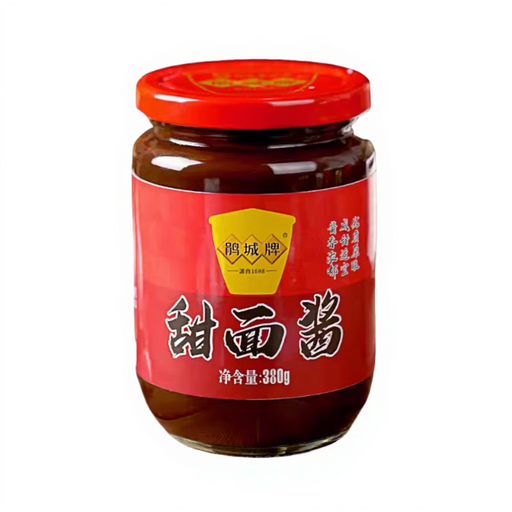
Why This Fits Their Persona: Anyone attempting to make their own Peking duck pancakes or the classic Beijing noodle dish, Zhajiangmian, will need this specific sauce. Its unique sweet-savoury profile is non-negotiable for these recipes.
This product directly solves the flavour profile mix-up. It is a dedicated sweet bean sauce, preventing the user from mistakenly buying a spicy or purely savoury paste that would be unsuitable for dishes requiring a sweet glaze or sauce base.
Provides the classic Northern Chinese sweet-salty balance with a rich, velvety texture. Made from fermented wheat flour, it delivers an authentic taste for glazes, marinades and noodle sauces.
We have compiled a complete, real-time list of products that fully satisfy these strict selection criteria and UK safety regulations.
It depends on the type. Thick, concentrated pastes like Pixian Doubanjiang or dry soybean paste must be cooked, typically by frying in oil at the start of a recipe to release their aroma and flavour. Thinner, ready-to-use sauces like black bean and garlic sauce, or some sweet bean sauces used for dipping, can often be used straight from the jar. Always check the usage instructions on the packaging.
Once opened, all bean pastes should be sealed tightly and stored in the refrigerator. Due to their high salt content, they are naturally well-preserved and can last for several months. However, their flavour and colour may degrade over time. It is a good practice to use a clean spoon each time to prevent contamination and to consume within 3-6 months for optimal taste.
For achieving an authentic taste, it is generally not recommended. The flavour profiles are distinct and serve different culinary purposes. For instance, substituting a spicy chilli bean paste for a sweet bean sauce in a recipe for Peking duck would lead to a completely different and likely undesirable result. Understanding the core flavour (spicy, sweet or savoury) is key to using them correctly.