
24/7 Customer Support

Free returns

Same-day & Next-day Delivery

Quality Guaranteed

Unlock Your Welcome Offers: FREE Delivery | Up to 80% OFF | Free 30-day JoyPlus trial
Download the APP
The world of Asian beer offers a fantastic spectrum of crisp, refreshing lagers that are a world away from the heavier ales and bitters common in the UK. Whether you're looking for the perfect drink to pair with a homemade katsu curry, stocking up for a weekend barbecue or simply exploring new flavours, the choices can be overwhelming. However, navigating the marketing claims and subtle differences between brands can lead to disappointing purchases.
As the Joybuy Product Recommendation Officer, my role is to help you see past the hype. Many shoppers fall into a few common traps when buying an imported world lager. By understanding these, you can make a much more informed choice and find a beer you'll genuinely enjoy.
To avoid these traps, focus on a few key parameters. These objective details will tell you more about the beer than any marketing slogan.
This is the most critical factor. Most Asian lagers fall into one of three main categories:
Always check the label for the country of origin. A Japanese beer brewed in Japan will have a different character from one brewed in Italy, primarily due to the water used. If you're chasing the exact flavour you remember from a holiday, this detail matters. If you simply want a reliable, premium imported beer with a specific flavour profile, the location is less of a concern as long as the quality is consistent.
Consider how you plan to drink it. A case of beer in 330ml cans or bottles is ideal for parties and stocking the fridge. Larger 640ml bottles are perfect for sharing over a meal for two. The Alcohol By Volume (ABV) is also a practical consideration; a 4.5% Korean beer like Cass is more sessionable than a stronger 5% lager if you plan on having more than one.
Instead of a generic list, we've matched some excellent options to specific types of drinkers you might identify with.
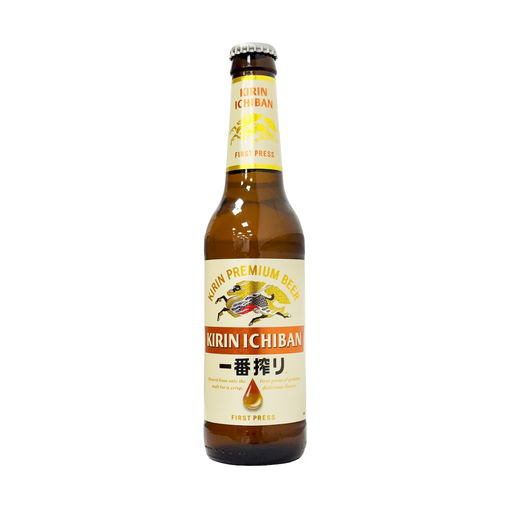
Why This Fits Their Persona: You look for a beer that actively complements your meal, not just washes it down. Kirin Ichiban's smooth, malt-forward character is robust enough for grilled meats and ramen, yet clean enough not to overpower more delicate dishes. It's a thoughtful choice for someone who appreciates flavour harmony.
It clarifies the "First Press" method, which isn't just marketing—it delivers a noticeably smoother and richer flavour, moving beyond the generic "crisp lager" description.
The unique Ichiban Shibori brewing process creates a remarkably clean, malt-rich flavour without the astringency found in some other lagers.
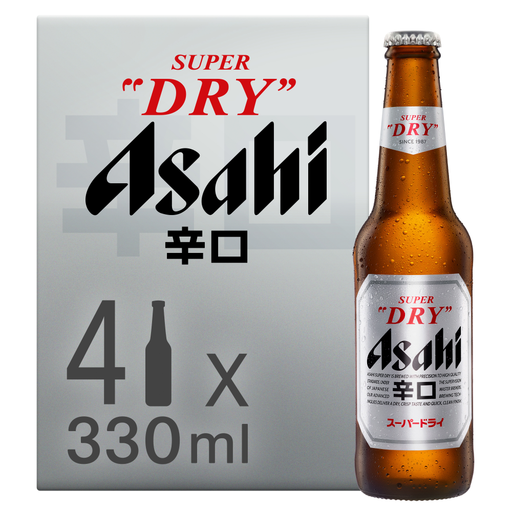
Why This Fits Their Persona: You appreciate precision and a specific style. You're not looking for just any lager; you want the iconic Japanese "Karakuchi" or dry beer experience. Its clean, palate-cleansing ability makes it your go-to for fried chicken, tempura or even a rich curry.
It defines what "Super Dry" actually means: a crisp, non-lingering finish that refreshes the palate. This turns a marketing term into a functional benefit for food pairing.
Its signature quick, clean finish is exceptionally refreshing and highly effective at cutting through rich or oily foods without leaving a heavy aftertaste.
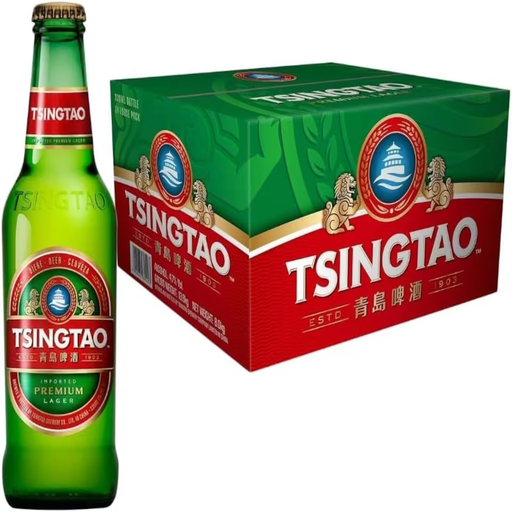
Why This Fits Their Persona: You're planning a gathering and need a reliable, crowd-pleasing beer that offers good value. This Chinese beer is a globally recognised classic for a reason. Its balanced, easy-drinking profile appeals to a wide audience, and the large 640ml sharing bottles are perfect for a party or BBQ.
It sidesteps the "authenticity" trap by being exactly what it claims: a classic Chinese beer brewed in China. Its balanced profile also makes it a safe and versatile food pairing choice.
Excellent value in a bulk format. The large sharing-size bottles and universally appealing crisp, balanced flavour make it an ideal choice for hosting.
We have compiled a complete, real-time list of products that fully satisfy these strict selection criteria and UK safety regulations.
While all are typically light lagers, there are general tendencies. Japanese beer often emphasises precision and refinement, leading to very crisp, clean and sometimes dry profiles (e.g., Asahi, Sapporo). Korean beer is generally brewed to be extremely light, crisp and highly carbonated, making it an easy-drinking companion for spicy and rich food (e.g., Cass, Hite). Chinese beer like Tsingtao often follows a German pilsner style, offering a balanced profile with a bit more body and malt character, making it a versatile all-rounder.
Generally, it is not recommended for premium Asian lagers. These beers are carefully crafted to achieve a specific balance of malt and hop flavours. Adding citrus can overwhelm these subtle notes. While common for some North American lagers, it's not a traditional way to enjoy Japanese, Korean or Chinese beer. For the intended experience, it's best served chilled and unadorned.
Not at all. It simply means the beer is produced in a different location (often closer to the point of sale, like in the UK or Italy) using the brand's official recipe and quality control standards. The quality is typically very high. However, environmental factors, most notably the mineral content of the local water, can lead to subtle variations in taste compared to the original version brewed in its home country. If you're a connoisseur seeking a specific taste, checking the country of origin on the label is worthwhile.