
24/7 Customer Support

Free returns

Same-day & Next-day Delivery

Quality Guaranteed

Unlock Your Welcome Offers: FREE Delivery | Up to 80% OFF | Free 30-day JoyPlus trial
Download the APP
Asian biscuits and cookies cover a wide range of textures and flavours, from Japanese biscuits and Korean biscuit sticks to fruit-flavoured cookies, chocolate biscuits and savoury cracker sandwiches. They can work well for lunchboxes, office drawers, afternoon tea, sharing and gift hampers.
However, attractive packaging does not always tell you whether a pack suits your needs. Before buying imported Asian snacks, focus on the label, portion format and storage requirements rather than relying only on flavour descriptions.
Some Asian biscuit snacks are designed as compact single servings, while others contain multiple individually wrapped biscuits. A 40–50g pack may be useful for a handbag or lunchbox, but a larger multipack can offer more practical value for an office, family or party table.
Compare the total weight, number of portions and price per 100g, not just the front-of-pack price.
Terms such as “fruit”, “milk tea”, “vanilla” or “strawberry” describe the flavour profile, not necessarily the amount of fruit or dairy ingredients. For example, the Pocky Fruit Grain Biscuits Milk Cranberry Flavour 45g lists cranberry pieces at 3%, while the Oreo Double Heart Crunchy Wafers Strawberry Flavour 192g lists strawberry powder at 1%.
If you prefer a stronger cocoa, berry or tropical note, check the ingredient list and flavour description together.
Many Asian biscuits contain wheat, milk and soya, while some also contain peanuts, almonds, eggs, barley, lupin or sulphites. Recipes and manufacturing locations can vary between flavours and pack sizes.
Always check the latest packaging before eating, particularly when buying for children, visitors or anyone with a food allergy. Look for the UK responsible business details, country of origin, storage advice and best-before information.
For everyday snacking, a larger pack may be convenient at home. For commuting, university, school or office use, individually wrapped biscuits are often easier to store and distribute.
Options in this selection include:
A resealable bag or airtight container can help preserve crispness after opening, but individually sealed portions reduce exposure to moisture in the first place.
Choose according to how you plan to eat the snack:
A product described as “crispy” still needs suitable storage. Heat, humidity and direct sunlight can soften coatings and biscuits, so follow the storage instructions on the pack.
Use the nutrition panel as a comparison tool rather than judging products by flavour names. Several products in this range provide energy figures of approximately 466–550 kcal per 100g, although a single serving may be considerably smaller.
Also check:
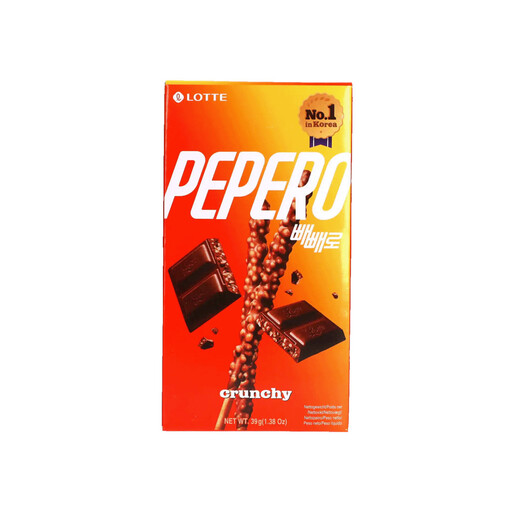
Why This Fits Their Persona: The compact 39g format is suitable for trying Korean biscuit sticks without committing to a large multipack. Its cocoa-flavoured coating and almond powder provide a distinct chocolate biscuit snack profile.
The listed 39g net quantity makes the portion clear, while the ingredient and allergen information identifies wheat, milk, soya, almond, peanuts, barley and sulphites.
Ready to eat, compact and suitable with tea or coffee. The inner pouch helps keep the sticks crisp until opened.
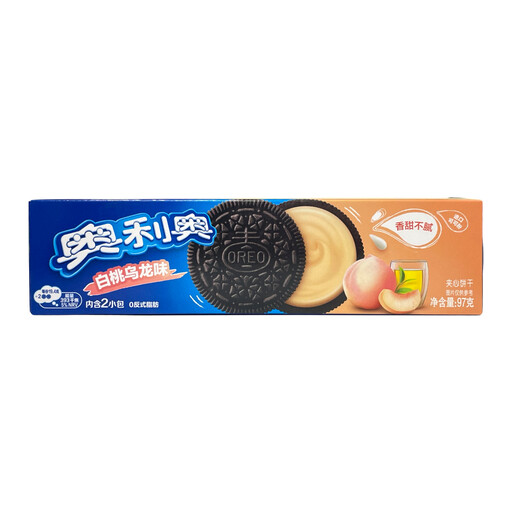
Why This Fits Their Persona: Peach and oolong tea offer a more distinctive alternative to standard chocolate or vanilla sandwich cookies, making this suitable for flavour-led snackers and gift selections.
The 97g pack size, two-pack description and wheat, milk and soya allergen information are stated clearly for easier comparison.
Cocoa biscuits combine with peach powder and oolong tea powder. Ready to eat and easy to serve with tea.
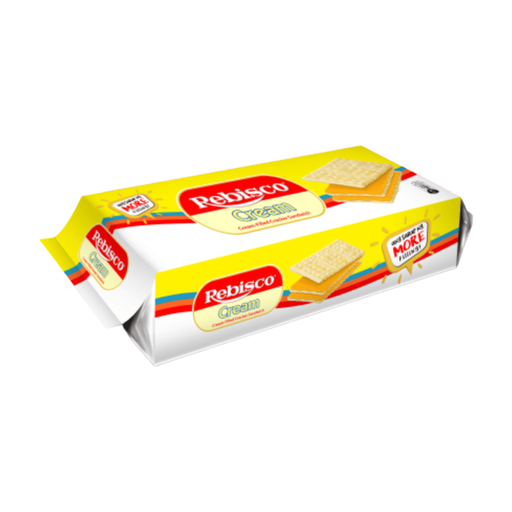
Why This Fits Their Persona: Ten individually sealed 32g packs suit offices, school lunches, family snack cupboards and event sharing where portion control and easy distribution matter.
The total quantity is stated as 320g, split into ten 32g packs, so buyers can compare the actual serving format rather than guessing from the outer box.
Crispy crackers and butter cream provide a sweet-and-savoury profile. Each pack contains 155 kcal according to the supplied nutrition information.
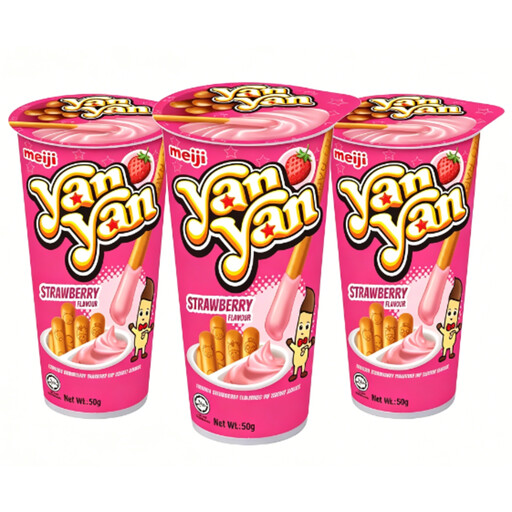
Why This Fits Their Persona: Three 50g portions create an interactive snack for family afternoons, picnics or lunchboxes, with the sticks and strawberry dip kept separate until serving.
The product makes its three-pack format clear and lists wheat, milk and soya allergens. The supplied safety information also advises supervision for children under three because of small parts.
Separate dip-and-stick design adds an activity to snack time. The product is ready to eat with no preparation required.
We have compiled a complete, real-time list of products that fully satisfy these strict selection criteria and UK safety regulations.
For fruit-flavoured cookies, options include strawberry, peach, oolong, raspberry, blueberry, grape and cranberry profiles. Chocolate biscuits remain a familiar choice, while coconut sable-style biscuits provide a crumbly texture and tropical flavour.
If you prefer savoury snacks, Glico Gardenia Cherry Tomato Decorative Biscuits combine tomato sauce, tomato powder and seasoning with wheat and wholemeal flour. For a sweet-and-savoury option, Rebisco Choco Cream Filled Cracker Sandwiches pair a lightly salty cracker with chocolate cream.
A mixed order can be useful for tasting: choose one classic sandwich cookie, one fruit flavour, one biscuit stick and one individually wrapped multipack. This gives different textures and serving formats without relying on a single flavour.
Many are ready to eat and available in compact or individually wrapped formats. Check the allergen statement, pack size and any age-related safety information before adding them to a child’s lunchbox.
Keep unopened packs in a cool, dry place away from direct sunlight, heat and moisture. Once opened, reseal the packet or use an airtight container, then follow the product’s stated consumption guidance.
Not necessarily. Fruit names usually describe the flavour. Check the ingredient list for details such as fruit powder, purée or pieces, and compare the stated percentage where available.