
24/7 Customer Support

Free returns

Same-day & Next-day Delivery

Quality Guaranteed

Unlock Your Welcome Offers: FREE Delivery | Up to 80% OFF | Free 30-day JoyPlus trial
Download the APP
Asian bubble tea drinks have moved beyond specialist cafés. UK shoppers can now choose from ready-to-drink bubble tea, fruit tea drinks, milk tea drinks and flavoured tea beverages in cans, bottles and multipacks. They are convenient for lunchboxes, study breaks, sharing and chilled refreshment, but attractive packaging can make comparison difficult.
Before adding a drink to your basket, watch for three common purchasing traps:
UK food labels generally present nutrition per 100ml, which is useful for comparison. However, a 490ml drink contains nearly five times the listed 100ml amount. For example, a drink showing 10g of sugars per 100ml contains approximately 49g across a full 490ml bottle, before allowing for any serving guidance.
Compare:
For shoppers seeking lighter fruit tea drinks, Dot Dot Mango Passionfruit Bubble Tea lists 8.9kcal and 1.9g sugars per 250ml bottle according to the supplied product information. By contrast, POCAS Peach Oolong Tea Drink lists 43kcal and 10g sugars per 100ml. These figures are not directly equivalent until the serving sizes are considered.
“Bubble tea” can describe several different formats. Some drinks include tapioca-style pearls, while popping boba drinks contain juice-filled spheres designed to burst when bitten. Others are smooth milk tea drinks without pearls.
Look for the following details:
POCAS Peach Oolong Tea Drink contains 8% popping boba and peach squash juice, while Dot Dot’s Mango Passionfruit drink combines jasmine tea, mango purée and passionfruit popping juice bubbles. These descriptions help you predict whether the drink will be more tea-led, fruit-led or texture-led.
Milk tea drinks may contain milk powder, whole milk powder, skimmed milk powder or sodium caseinate. Some Chinese soft drinks and fruit sodas can contain malt, meaning cereals containing gluten may be present. Always check the current packaging before serving.
The WANT WANT O Bubble Fruit Milk Flavour Drink contains milk and soya. Its strawberry version also declares E120 colourant and includes a warning relating to activity and attention in children. This does not make the drink unsuitable for every household, but it does make label checking particularly important when choosing back-to-school drinks.
Also check:
The following selection covers different preferences rather than treating every drink as interchangeable.
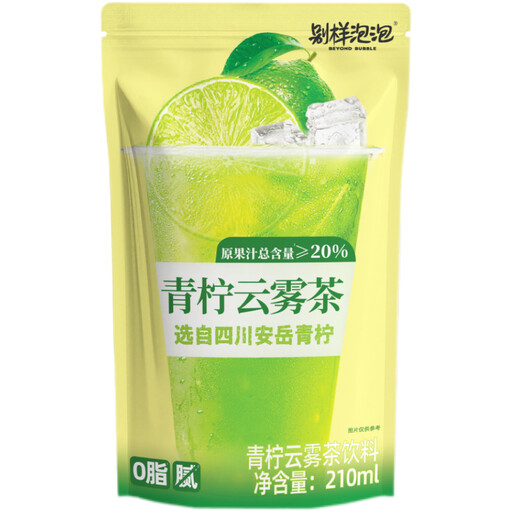
Why This Fits Their Persona: The 210ml format is convenient for a single lunchbox or study-break drink, avoiding the need to finish a larger bottle in one sitting.
Its smaller container makes portion comparison more straightforward, while the listing provides lime juice, jasmine tea and per-100ml nutrition information.
210ml size; 36kcal per 100ml; no allergens declared in the supplied information.
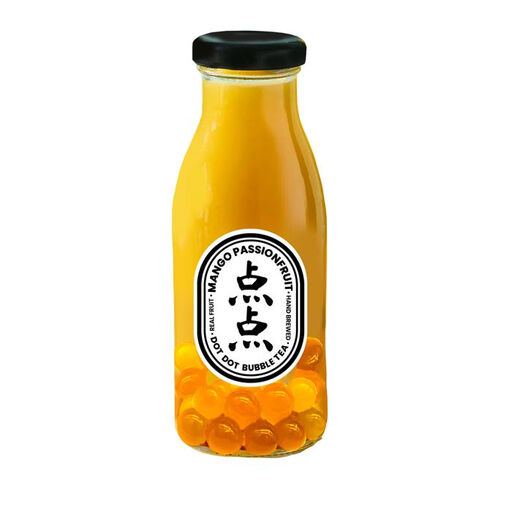
Why This Fits Their Persona: Suitable for shoppers who value a clearly described fruit-and-tea recipe, glass packaging and a compact bottle for chilled enjoyment.
The listing specifies jasmine tea, mango purée and passionfruit popping bubbles rather than relying only on a broad fruit-flavour description.
250ml glass bottle; vegan formulation stated in the listing; 8.9kcal per serving.

Why This Fits Their Persona: The larger bottle suits bubble tea fans who want a substantial fruit tea drink for a longer commute, afternoon break or shared fridge supply.
The product specifies an 8% popping boba content and instructs shoppers to shake gently, making the texture feature clearer.
490ml volume; peach-flavoured oolong tea; popping boba included in the formulation.
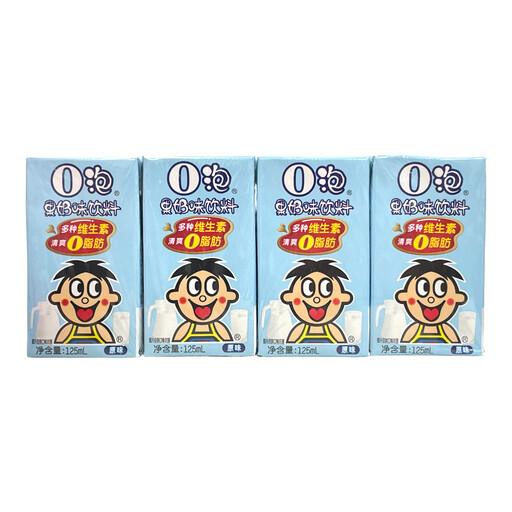
Why This Fits Their Persona: Four individual 125ml cartons work well for family fridges, school-day planning or trying a Taiwanese drinks-style milk beverage without buying a large bottle.
The 125ml portions reduce opened leftovers, while the listing clearly declares milk and soya allergens and advises shaking before drinking.
Four 125ml cartons; room-temperature storage stated; 83kcal per 100ml in the supplied nutrition panel.
We have compiled a complete, real-time list of products that fully satisfy these strict selection criteria and UK safety regulations.
Yes. The products above are packaged ready-to-drink beverages. Some should be shaken gently before opening, and opened bottles may require refrigeration or prompt consumption. Always follow the instructions on the individual label.
Not necessarily. Popping boba usually refers to juice-filled spheres made with ingredients such as sodium alginate and calcium lactate. Tapioca pearls are a different type of chewy topping. Check the ingredient list if the texture matters to you.
Small cartons and bottles are easier to portion and carry. The 125ml WANT WANT multipack is designed as individual portions, while the 210ml Baiyang lime drink offers a compact bottle format. For larger drinks, check whether the container fits your lunch bag and remember that nutrition values listed per 100ml need to be multiplied by the full volume.
When comparing Asian drinks online in the UK, prioritise the label over the front-of-pack wording. Volume, ingredients, allergens, storage and nutrition provide a clearer basis for choosing between tropical fruit drinks, milk beverages, popping boba and Chinese soft drinks for everyday enjoyment.