
24/7 Customer Support

Free returns

Same-day & Next-day Delivery

Quality Guaranteed

Unlock Your Welcome Offers: FREE Delivery | Up to 80% OFF | Free 30-day JoyPlus trial
Download the APP
Buying an Asian and Caribbean fruit drinks multipack can be a convenient way to stock the fridge for family meals, parties, lunch boxes or catering. However, colourful packaging and phrases such as “natural”, “tropical” or “zero sugar” can make products appear similar when their ingredients, serving sizes and storage requirements differ considerably.
This guide explains the practical checks that help UK shoppers compare tropical fruit drinks, exotic soft drinks, children’s options and bulk fruit drinks without paying for features they do not need.
A mango drink is not automatically mango juice. Check the quantitative ingredient declaration or ingredients list to see how much fruit is included. For example, Tropical Vibes Mucho Mango lists 32% mango pulp, while Foco Mango Juice lists 30% mango purée. By comparison, some smaller juice drinks contain around 1–12% fruit juice from concentrate.
This difference affects flavour, texture and price. If you want a fuller mango taste for breakfast or serving with food, a higher fruit-pulp percentage may be more relevant than tropical-looking packaging.
A product title may highlight “zero sugar”, “no added sugar” or “low calorie”, but these phrases need to be checked against the nutrition panel and ingredients. “No added sugar” does not necessarily mean sugar-free, as fruit ingredients can contribute naturally occurring sugars. Sweeteners may also be used.
The supplied listing for Mogu Mogu Zero Sugar Summer Berries Drink includes sugar and fructose in its ingredients, so shoppers should check the physical packaging before purchase if sugar content is a decisive factor.
A 1-litre carton suits family serving, but it may create waste if only one person drinks it. Individual 125ml or 200ml cartons and bottles can be more practical for school bags, picnics and portion planning.
Also check whether the product is supplied in cans, PET bottles, cartons or pouches. Once opened, many drinks need refrigeration and should be consumed within one to three days, depending on the label. Imported drinks can also have different pack sizes from familiar UK formats.
Look for these details:
Compare the nutrition panel per 100ml, not only per bottle or carton. A 200ml bottle contains twice the per-100ml values, while a 1-litre carton can represent several servings.
For reference, the supplied products range from approximately 4 kcal per 100ml in some Fruit Shoot options to 64 kcal per 100ml in Tropical Vibes Mucho Mango. Some drinks contain sugar; others use sweeteners such as sucralose or acesulfame K. If you are specifically seeking sugar-free fruit drinks, verify the label rather than relying on front-of-pack wording.
Check bold allergen declarations before serving. Coconut is listed in several coconut drinks, while FOCO Coconut Juice also declares sulphites. Some products may be suitable for vegetarian or vegan diets, but this should be confirmed from the current pack.
For children’s juice drinks, pay attention to bottle caps and age warnings. Fruit Shoot products supplied in the reference range warn that caps contain small parts and are unsuitable for children under 36 months. Never refill single-use drink bottles unless the manufacturer’s instructions permit it.
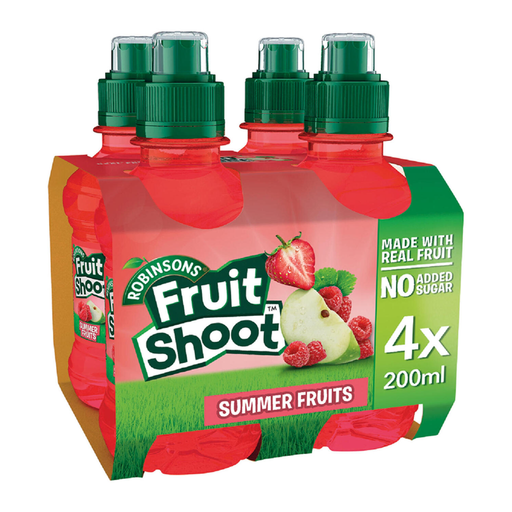
Why This Fits Their Persona: The 200ml bottles are practical for packed lunches, day trips and occasional family refreshments without opening a large carton.
The listing provides per-100ml nutrition information and states 0.7g sugar and 4 kcal per 100ml. Check the sweetener declaration and age warning before serving.
Four 200ml bottles; summer-fruit flavour; no added sugar stated in the supplied product information.
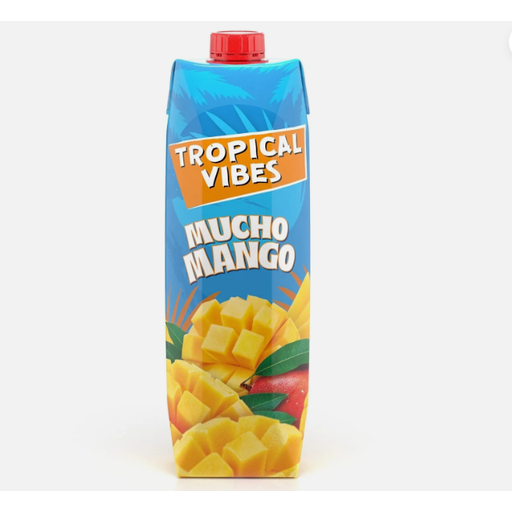
Why This Fits Their Persona: Six 1-litre cartons suit households that regularly serve mango drinks with breakfast, Caribbean dishes or weekend gatherings.
The product information clearly states 32% mango pulp and lists 64 kcal and 10.3g sugars per 100ml, making comparison more transparent.
32% mango pulp; six resealable 1-litre cartons; ambient storage before opening.
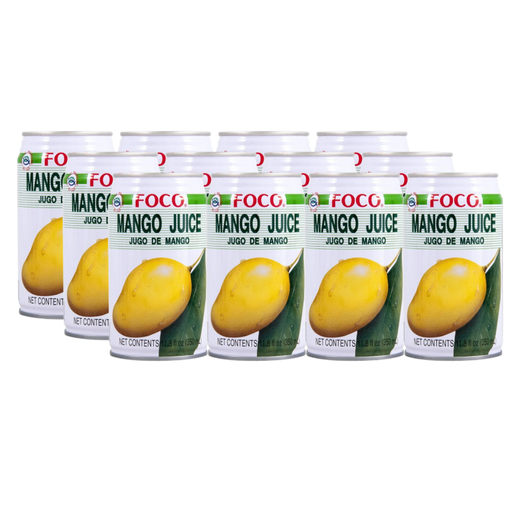
Why This Fits Their Persona: The 12-can case is suited to caterers, independent retailers, parties and households that want individually sealed servings of an imported mango drink.
The pack format and 30% mango purée declaration are stated clearly. Compare the 56 kcal and 14g sugars per 100g with other bulk fruit drinks.
12 individual 350ml cans; 30% mango purée; ready to drink and suitable for stock rotation.
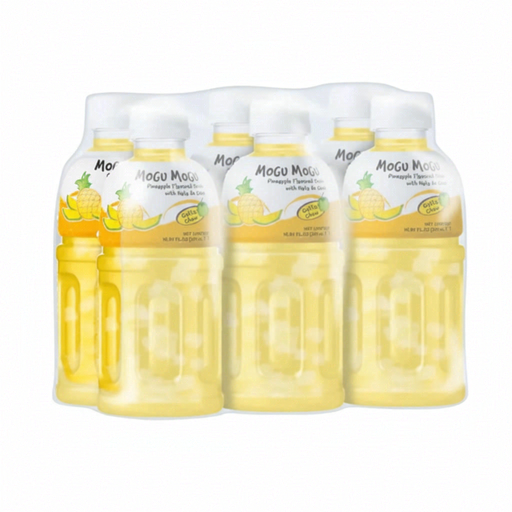
Why This Fits Their Persona: This six-bottle pack offers a different Asian beverage format for shoppers who enjoy coconut, pineapple and chewy nata de coco pieces.
The listing identifies nata de coco and coconut as ingredients, and also lists colours and preservative. This helps shoppers avoid assuming it is plain fruit juice.
Six 320ml bottles; pineapple and coconut flavour; contains nata de coco; coconut allergen clearly indicated.
We have compiled a complete, real-time list of products that fully satisfy these strict selection criteria and UK safety regulations.
Some are designed in smaller portions, but suitability depends on the ingredients, sugar or sweetener content, packaging and age warnings. Check the label before placing drinks in lunch boxes, particularly for small bottle caps and products containing colours or sweeteners.
Unopened cartons, cans and bottles are commonly stored in a cool, dry place away from direct sunlight, but always follow the individual label. After opening, refrigerate the drink and consume it within the stated period, which may be 24 hours, 48 hours or three days.
Choose 125–200ml packs for individual lunches and controlled portions, 300–350ml bottles or cans for personal servings and 1-litre cartons for shared meals. For retailers and caterers, larger cases such as 12 × 350ml can simplify stock planning, provided there is enough demand before the best-before date.