
24/7 Customer Support

Free returns

Same-day & Next-day Delivery

Quality Guaranteed

Unlock Your Welcome Offers: FREE Delivery | Up to 80% OFF | Free 30-day JoyPlus trial
Download the APP
Cooking Asian and Caribbean dishes at home can be convenient when the right sauce or seasoning is already in the cupboard. However, attractive packaging does not always tell you how a product will perform in a real UK kitchen. A seasoning may be highly concentrated, intended for several portions or contain allergens that are easy to overlook.
This guide explains what to check before buying, then matches several options to different cooking habits, from quick weekday meals to barbecue preparation.
A dry mix such as Jamaican jerk seasoning, braising seasoning or stir-fry seasoning usually needs to be added during cooking. A dipping sauce or marinade may be ready to use but can still require refrigeration after opening.
Check the usage instructions carefully:
A large jar is not automatically economical if the seasoning is very salty or needs to be used sparingly. For example, some Caribbean all-purpose seasoning and Jamaican jerk seasoning products contain over 35g of salt per 100g. A smaller packet may be designed for a specific number of servings, making portion control easier.
Compare the recommended quantity, intended servings and storage instructions rather than relying only on the net weight.
Asian and Caribbean cooking seasonings and sauces commonly contain soy, wheat, sesame, celery, fish, crustaceans or mustard. Ingredients can also vary between similar-looking products.
UK shoppers should read the allergen information in bold on the packaging, particularly when buying Chinese cooking seasoning, Korean BBQ sauce or Japanese yakiniku sauce. Sugar and salt levels also vary considerably, especially in sweet and sour seasoning, teriyaki marinade and dipping sauce products.
Choose the format that matches your routine. A ready-made sauce can save preparation time, while a spice mix gives you more control over oil, water and heat.
For example:
Nutrition panels are generally listed per 100g or 100ml, but a typical serving may be much smaller. Dunn's River Jamaican Jerk Seasoning 100g lists 36g salt per 100g, while Dunns River All Purpose Seasoning 100G lists 45g. These products are intended to be used sparingly, so avoid adding extra salt until the dish is finished.
Sauces can also contain notable sugar levels. CJ Beef BBQ Sauce lists approximately 20.5g sugars per 100g, while Daisho BBQ Sauce Medium Spicy lists 15.53g per 100g. This matters when using a sauce as both a marinade and a glaze, as prolonged high heat can darken sweet sauces quickly.
Look for clear allergen declarations and follow the storage instructions. Several products in this category contain soy and wheat, while some also include sesame, celery, fish or crustaceans.
After opening, many bottled sauces should be refrigerated. Cooking sachets may also need refrigeration once opened and should be consumed promptly. Always cook meat, seafood and eggs thoroughly, and use clean utensils to reduce the risk of cross-contamination.
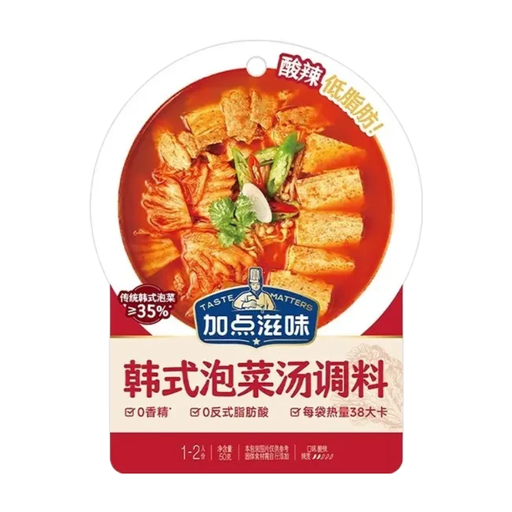
Why This Fits Their Persona: The single 50g packet provides a straightforward starting point for a Korean-style soup without requiring a cupboard full of specialist ingredients. It is suitable for beef, tofu, vegetables and eggs.
The instructions specify 400ml of water and a short final boil, making the required preparation clear rather than leaving shoppers to guess the concentration.
Contains stated quantities of cabbage kimchi and Korean chilli paste; one packet can be combined with several fresh ingredients.

Why This Fits Their Persona: A 500g jar suits shoppers who regularly prepare Korean-style barbecue, beef dishes or family meals and want one sauce for several cooking methods.
Its stated uses include marinating, glazing and dipping, so the jar is not limited to one dish. The label also identifies soy and wheat allergens.
Includes soy sauce, garlic, onion, pear purée, sesame oil and ginger; the jar can be refrigerated after opening.
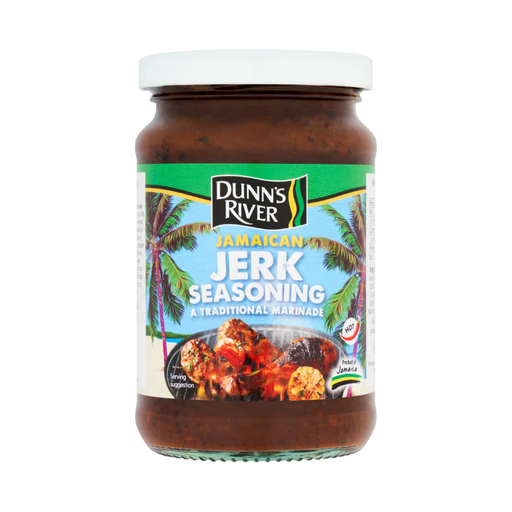
Why This Fits Their Persona: The 300g jar is practical for frequent barbecues, batch cooking and regular preparation of chicken, pork, fish or vegetables.
The product clearly states that it is a seasoning and should be used sparingly, helping prevent over-application of a high-salt blend.
Includes pimento, chilli, thyme, onion and garlic; suitable as a rub or for marinades across meat, seafood and vegetables.
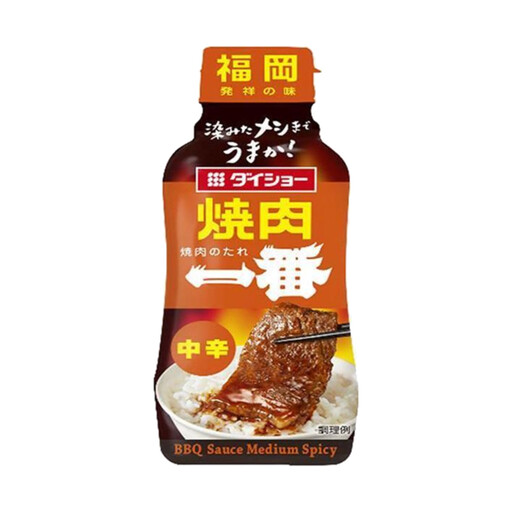
Why This Fits Their Persona: The squeezable 235g bottle is convenient for portioning at a home barbecue, with enough flexibility for dipping, marinating and stir-fry meals.
The stated medium-spicy profile gives a clearer heat expectation than packaging that simply says “hot”. Soy, wheat and sesame are listed as allergens.
Contains soy sauce, garlic, ginger and sesame; made in Japan and suitable for grilled meat, dipping and noodles.
We have compiled a complete, real-time list of products that fully satisfy these strict selection criteria and UK safety regulations.
A pre-portioned cooking sachet is often the simplest choice. Korean kimchi soup seasoning can be added to water with fresh ingredients, while braising seasoning and sweet and sour seasoning are designed to reduce the number of separate ingredients needed.
Follow the product label first. Many bottled sauces, including Korean BBQ sauce, Japanese yakiniku sauce and teriyaki marinade, should be sealed and refrigerated after opening. Use clean utensils and check the appearance, smell and stated consumption guidance before use.
Some are, but suitability depends on the ingredients. Maggi Liquid Seasoning is listed as suitable for vegetarians, while other products may contain fish, crustaceans, meat-derived ingredients or allergens. Check the full ingredient list rather than relying on the cuisine label alone.