
24/7 Customer Support

Free returns

Same-day & Next-day Delivery

Quality Guaranteed

Unlock Your Welcome Offers: FREE Delivery | Up to 80% OFF | Free 30-day JoyPlus trial
Download the APP
Choosing an Asian chilli sauce for a UK kitchen can be surprisingly difficult. A colourful label may suggest intense heat, while the actual flavour is mostly sugar or vinegar. A large jar may look economical, but it can lose freshness before you use it. Some sauces are suitable for vegans, while others contain soy, wheat, sesame, peanuts, fish or crustaceans.
The practical approach is to match the sauce to how you cook, then check the ingredients, storage instructions and allergen information before buying.
A sauce labelled “extra hot” or made with ghost chilli may deliver considerable heat but little versatility. FLYING GOOSE Sriracha Ghost Chilli Sauce lists chilli at 45% and is described as extremely hot, so it is more appropriate for small additions to curries, soups, marinades and stir-fries than for generously coating food.
For everyday meals, consider whether you want pepper flavour, garlic, acidity, sweetness, fermented savouriness or simply heat. A mild Chinese chilli sauce or Thai sweet chilli sauce may be more useful across a family menu than a highly concentrated hot sauce.
Sweet sauces can contain substantial sugar, while fermented chilli pastes and chilli oils can be high in salt. For example, Mae Pranom Sweet Chilli Sauce lists 35g of sugars per 100g, whereas Lee Kum Kee Chilli Bean Sauce lists 11.3g of salt per 100g. These figures do not make either product unsuitable, but they show why portion size and intended use matter.
Compare the nutrition panel rather than relying on phrases such as “authentic”, “traditional” or “bold flavour”. A small amount used as a seasoning may be all that is needed.
A dipping sauce is not always a good stir-fry base. Chilli oil adds fat, aroma and texture, while a fermented bean paste contributes salt and umami. A Korean hot sauce such as gochujang hot pepper paste is thick and sweet-savoury, making it suitable for marinades, stews and rice dishes. A thin sriracha sauce is easier to drizzle over eggs, noodles or snacks.
Look beyond the word “hot”. Bird’s eye chilli, habanero, Scotch bonnet and ghost chilli each bring different levels of heat and flavour. If the product does not provide a Scoville rating, use the ingredient list and product warnings as a guide.
A sauce intended as a dipping sauce should usually be balanced enough to use without cooking. A spicy cooking sauce can be stronger, saltier or more concentrated because it will be diluted by noodles, stock, vegetables or protein.
Check the label for soybeans, wheat, gluten, peanuts, sesame, mustard, fish, crustaceans and celery. Lee Kum Kee Chilli Bean Sauce contains broad beans, soybeans and wheat flour. Niu Tou Shacha Sauce includes peanuts, wheat, soybeans and dehydrated shrimp, so it is not suitable for people avoiding those allergens.
Vegetarians and vegans should also check the full label. The Flying Goose ghost chilli sauce is listed as suitable for vegetarians and vegans, while Samyang Buldak Hot Chicken Flavour Hot Chilli Sauce Original is not vegan and contains soy, wheat and chicken flavouring.
A 142ml bottle may be sensible for occasional use, while a 500g tub of Korean hot pepper paste suits households that regularly prepare bibimbap, tteokbokki or marinades. Once opened, follow the stated storage instructions. Many sauces require refrigeration, and some should be consumed within a specified period.
Use a clean spoon, close the lid securely and avoid leaving sauce near a hob or in direct sunlight. Oil-based products may separate naturally, so check whether shaking or stirring is recommended before use.
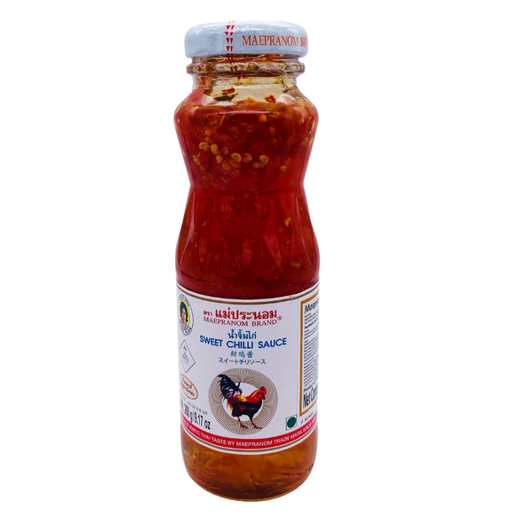
Why This Fits Their Persona: A straightforward choice for students, families and first-time buyers who want one bottle for spring rolls, grilled food, snacks and simple stir-fries.
Its listed uses make the sweet-and-mild format clear, reducing the risk of buying an extreme chilli product for general family use.
Contains chilli, garlic and vinegar; listed as allergen-free. Refrigerate after opening.
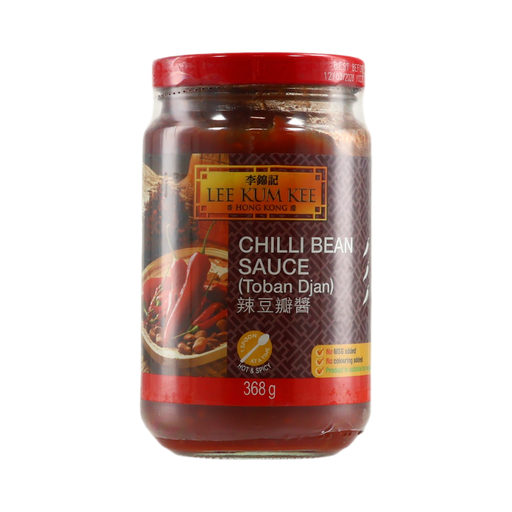
Why This Fits Their Persona: Designed for cooks who value fermented depth and want to prepare Sichuan-style dishes such as Mapo Tofu at home.
It is clearly positioned as a cooking base rather than a table drizzle, helping buyers select the right format for stir-fries and braises.
368g jar; fry one to two tablespoons briefly to release aroma. Contains soybeans and wheat.
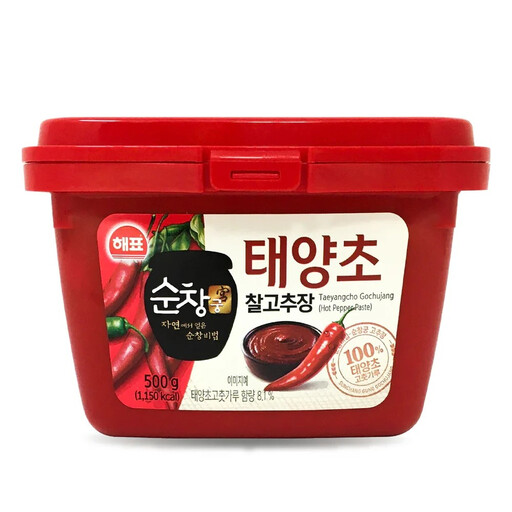
Why This Fits Their Persona: Suitable for regular Korean cooking, including bibimbap, tteokbokki, stews, marinades and dipping sauces.
The 500g tub suits repeated use, avoiding the poor value of small bottles for cooks who use Korean chilli paste frequently.
Fermented red pepper paste with rice and fermented soybean powder; refrigerate after opening and check the label for allergens.
For households managing dietary preferences, always read the current packaging. Product recipes, allergen statements and storage guidance can change, and online descriptions should be checked against the label before consumption.
We have compiled a complete, real-time list of products that fully satisfy these strict selection criteria and UK safety regulations.
Chilli oil, crispy chilli oil, sriracha sauce and fermented black bean chilli sauce all work well with noodles. Choose chilli oil for texture and aroma, sriracha for a thinner, sharper drizzle or black bean chilli sauce for a more savoury taste.
It depends on the product. Many sauces advise refrigeration after opening, including sweet chilli sauce and several bottled hot sauces. Some oil-based products advise storing in a cool, dry place and consuming promptly. Follow the instructions on the specific jar or bottle.
There is no single lifespan for every sauce. Check the packaging for a stated period, keep the container sealed and use clean utensils. Discard a product if its smell, colour, texture or appearance changes noticeably, even if the printed date has not passed.