
24/7 Customer Support

Free returns

Same-day & Next-day Delivery

Quality Guaranteed

Unlock Your Welcome Offers: FREE Delivery | Up to 80% OFF | Free 30-day JoyPlus trial
Download the APP
Whether you are preparing weekday noodles, a bowl of rice, a Thai curry or a spicy marinade, the right chilli product can add heat, texture and regional character without creating extra preparation. However, the large range of oils, pastes, powders and chopped chillies can make shopping confusing.
This guide explains what to check before buying Asian chilli sauce and chilli seasonings, with practical recommendations for UK home cooks, vegetarian and vegan shoppers, and anyone exploring Chinese, Thai, Korean, Indian or African flavours.
A product labelled “extra hot” may provide intensity without the savoury, fermented, smoky or aromatic notes you want. Conversely, a Chinese chilli oil or Korean gochujang may taste layered but add less immediate heat than a pure chilli powder.
Consider the role of the product:
Chilli condiments are often used by the spoonful, so the nutrition panel matters. Several preserved sauces in this category contain significant salt per 100g. For example, the listed nutrition for Lao Gan Ma Preserved Black Bean in Chilli Oil is 8.0g salt per 100g, while Tantanxiang Fermented Soybean Flavour Chilli lists 9.5g.
This does not make either product unsuitable, but it means you should use them as flavour concentrates rather than treating them like a low-salt table sauce. Check the serving size, fat content and ingredient order before adding extra salt or oil to your recipe.
A ready-to-use chilli sauce can be served directly, but its texture and ingredients still determine where it works. A chunky chilli oil may sit on top of noodles, while a smooth paste blends into a marinade. Chopped green chillies may need cooking, particularly when sold frozen, whereas a preserved red chilli condiment can usually be added straight from the jar.
Read the usage instructions and storage guidance. Refrigeration after opening, airtight storage or freezer storage can affect both convenience and food safety.
Look for the percentage of chilli and the ingredients that shape the flavour. A black bean chilli sauce may contain fermented soybeans and wheat; chilli oils can include peanuts, sesame or soy; gochujang commonly contains wheat and soybeans.
For UK shoppers with allergies or dietary requirements, always check the current packaging. Important examples from these products include:
Ingredients and allergen declarations can change, so the label should take priority over an online description.
Choose a format that matches how you cook:
Heat can vary between harvests, particularly with agricultural products. Start with a small amount and increase gradually.
A 100g powder may suit occasional cooks, while a 190g or 280g jar can offer better value for households using chilli regularly. Yet larger jars are not economical if the flavour fades before they are finished.
Dry powders and crushed red chillies generally need a cool, dry place and an airtight container after opening. Oil-based and fermented sauces may require careful sealing or refrigeration, depending on the label. Frozen chopped green chillies must remain frozen and should not be refrozen after thawing.
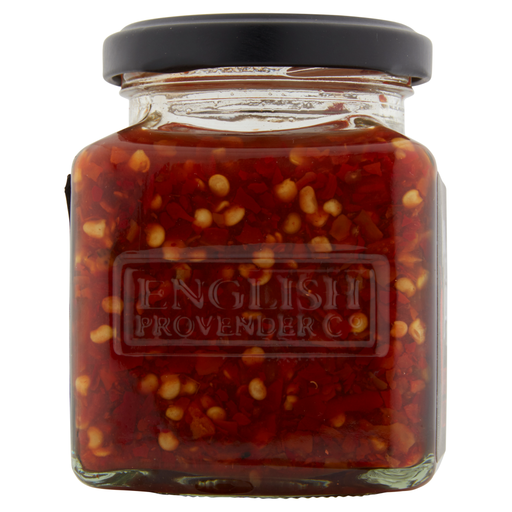
Why This Fits Their Persona: A practical choice for UK cooks who want chopped red chillies without knife work, deseeding or unused fresh peppers.
The ready-to-use format avoids buying fresh chillies that may spoil before your next meal. It contains white wine vinegar and dried red pepper flakes, so it is not simply fresh chopped chilli.
190g jar; vegetarian and vegan; listed salt content is below 0.1g per 100g.

Why This Fits Their Persona: Suits cooks looking for fermented savoury flavour for Chinese-style rice, noodles, stir-fries or mapo tofu.
Its black beans are clearly identified rather than hidden behind a generic chilli label, helping shoppers choose savoury depth instead of heat alone.
280g format; includes chilli, fermented black beans and Sichuan peppercorns; ready to add during cooking or serve with rice and noodles.
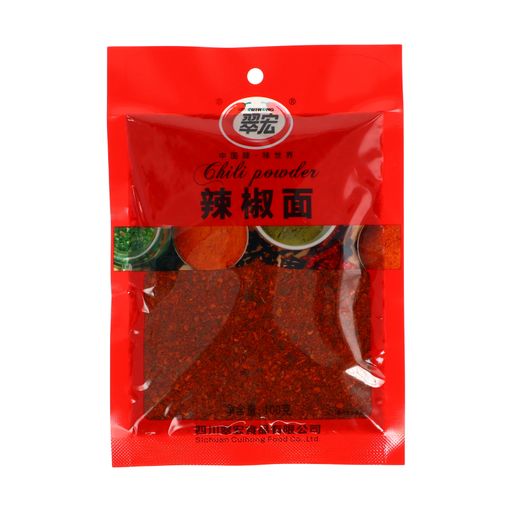
Why This Fits Their Persona: Designed for cooks who want one seasoning for stir-frying, marinades, dry dipping mixes and homemade chilli oil.
The ingredient list specifies chilli, rapeseed oil, sesame and spices, allowing you to assess the flavour profile and allergen position before purchase.
Contains four listed ingredient groups; ready to eat as a seasoning; suitable for several cooking methods.
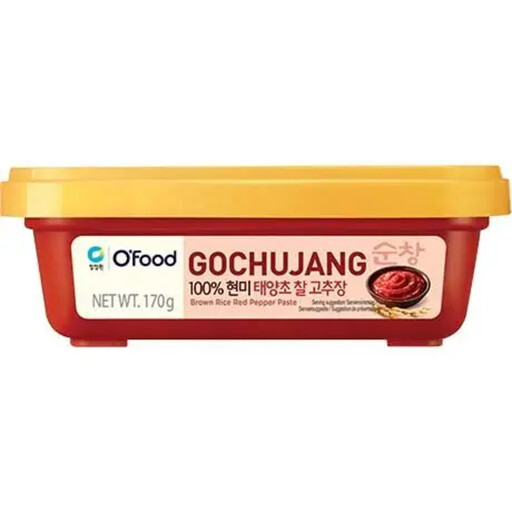
Why This Fits Their Persona: A compact option for bibimbap, Korean barbecue marinades, tteokbokki-style dishes, stews and dipping sauces.
It is a defined fermented red pepper paste, not a thin chilli sauce, so its thickness and sweet-savoury profile are clear before use.
170g tub; contains red chilli powder, rice and soybean paste; refrigerate after opening according to the product guidance.
We have compiled a complete, real-time list of products that fully satisfy these strict selection criteria and UK safety regulations.
Check the allergen and ingredient panel rather than relying on the product name. Very Lazy Chillies, CUIHONG Chilli Powder and pure crushed red chilli products are suitable options based on their listed ingredients. Thai shrimp-flavoured crushed chilli contains crustaceans and is not vegetarian or vegan.
Follow the storage instructions and the best-before information on the packaging. Dry chilli powder and crushed chillies should be kept sealed in a cool, dry cupboard. Fermented or oil-based sauces may need refrigeration after opening. Discard a product if the seal is damaged or it develops mould, an unusual smell or an unexpected change in texture.
It depends on the recipe and how much you use. A powder is concentrated and gives precise control over heat, while a sauce also contributes oil, salt, sweetness or fermented flavour. Compare the net weight, ingredient list and nutrition panel rather than judging value from the jar size alone.