
24/7 Customer Support

Free returns

Same-day & Next-day Delivery

Quality Guaranteed

Unlock Your Welcome Offers: FREE Delivery | Up to 80% OFF | Free 30-day JoyPlus trial
Download the APP
Asian chilli sauce can transform noodles, rice, dumplings and stir-fries, but choosing a bottle from a crowded UK food aisle or online marketplace is not always straightforward. Heat level, sweetness, allergens, bottle size and storage instructions can vary considerably between products labelled as hot chilli sauce, Sriracha sauce or Korean chilli sauce.
A brightly coloured bottle does not necessarily indicate a hotter or more versatile sauce. Before buying, check the label and match the flavour profile to how you normally cook.
Many table sauces contain sugar as one of their main ingredients. For example, Thai-style sweet chilli sauces may deliver a gentle, sticky heat rather than the sharp burn expected from an extra-hot sauce. Lingham’s Extra Hot Chilli Sauce lists cane sugar at 54% and red chillies at 34–40%, so it is still important to consider the full flavour balance rather than relying only on the word “extra”.
Look for the chilli percentage, ingredient order and serving suggestions. A sauce with a high chilli content may be more suitable for marinades or spicy dipping sauce, while a sweeter recipe may work better with spring rolls and fried snacks.
Sriracha sauce usually combines chilli, sugar, garlic, salt and acidity, but additional ingredients can change its character significantly. Ginger, galangal, kimchi, gochujang or Tom Yum spices create noticeably different results.
A Korean chilli sauce may contain soybean paste, wheat or sesame. This can add savoury depth but may make the product unsuitable for people avoiding soya, gluten or sesame. Read the allergen statement rather than relying on the cuisine name on the front label.
A 455ml bottle can offer useful value for regular cooks, but it may take longer to finish in a small household. Several products in this range recommend refrigeration after opening and consumption within approximately eight weeks. Laila Chilli and Garlic Sauce advises use within four weeks once opened.
For occasional use, a 150ml bottle of Mexican hot sauce may be more practical. For cafés, takeaway kitchens or busy households, a 1L garlic chilli sauce or multipack may reduce the need for frequent reordering, provided it can be stored correctly.
The chilli percentage provides a useful comparison, although it does not fully determine heat. A sauce containing 60% chilli, such as Flying Goose Sriracha Super Tom Yum, may have a brighter, sharper profile than a sauce where chilli is balanced with tomato, sugar or vinegar.
Consider the type of heat you want:
Ingredients are listed by weight, so the first few entries show the main components. Thai Taste Sriracha Hot Chilli Sauce lists red chillies at 45% and garlic at 7%, while its stated sugar content is 23g per 100g. By contrast, Yaomazi Chilli Oil contains rapeseed oil at 70% and chilli at 28%, with no listed sugar or salt in its nutrition panel.
This distinction matters when choosing chilli sauce for noodles or chilli sauce for stir-fries. A sweet sauce can glaze ingredients effectively, whereas a Sichuan chilli oil adds aroma and richness without the same sticky texture.
Check the UK allergen declaration every time, particularly when buying imported Asian cooking sauces. Some products contain or may contain:
Some products are labelled vegan or suitable for vegetarians, but formulations may change. Always confirm the current packaging before purchase. Samyang Buldak Hot Chicken Flavour Hot Chilli Sauce, for example, contains soya, wheat and chicken flavouring, so it is not a vegan chilli sauce.
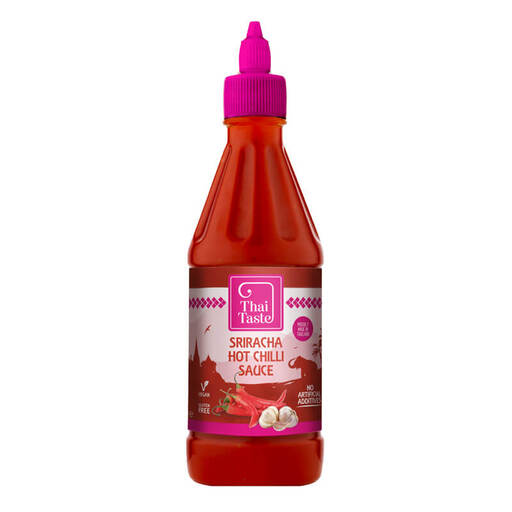
Why This Fits Their Persona: A practical starting point for UK cooks wanting one bottle for dipping, noodles, eggs, grilled food and stir-fries.
The label states 45% red chillies and 7% garlic, making the flavour profile easier to assess than relying on packaging claims about heat.
435ml bottle; made in Thailand; no allergens are listed in the supplied product information.
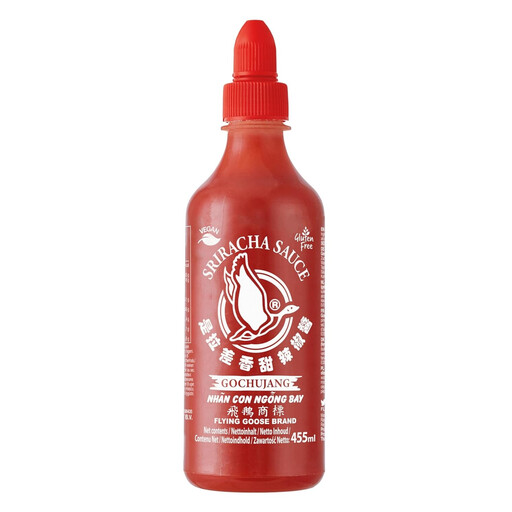
Why This Fits Their Persona: Suits cooks looking for a layered Korean-Thai flavour for bibimbap, rice bowls, dumplings, grilled foods and marinades.
The ingredient list identifies 45% chilli and names soybean miso and sesame, so shoppers can assess both flavour and allergen suitability.
455ml format; combines sriracha-style acidity with fermented-style savouriness; labelled vegan and gluten-free in the supplied details, subject to label confirmation.
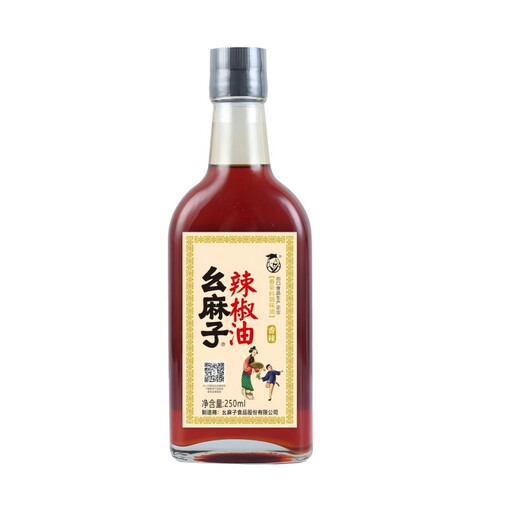
Why This Fits Their Persona: A focused choice for Sichuan-style noodles, cold dishes, hot pot and stir-fries where aromatic oil is more useful than a sweet table sauce.
Its specification clearly states 70% rapeseed oil and 28% chilli, helping distinguish it from pourable vinegar-based hot sauces.
No listed allergens; no listed sugar or salt in the supplied nutrition information; intended for use at the end of cooking.
Keep unopened bottles according to the packaging instructions, usually in a cool, dry place away from direct sunlight. Once opened, refrigerate sauces where instructed and close the cap firmly. Shake emulsified sauces before use.
Start with a small amount when trying a new product, particularly a concentrated chilli oil or sauce with 60–80% chilli. For a milder dip, mix a hot chilli sauce with mayonnaise, yoghurt or a suitable plant-based alternative. Use a clean spoon rather than placing it directly into the bottle to help maintain quality.
We have compiled a complete, real-time list of products that fully satisfy these strict selection criteria and UK safety regulations.
Sriracha, Korean chilli sauce and Sichuan chilli oil can all work, depending on the dish. Choose a smooth sauce for quick noodle bowls, a gochujang-style sauce for savoury Korean flavours or chilli oil when you want aromatic oil and chilli pieces. Check sugar and salt levels if the noodles already contain a strongly seasoned sauce.
The period varies by product. Several supplied sauces advise refrigeration and use within eight weeks, while Laila Chilli and Garlic Sauce advises refrigeration and use within four weeks. Follow the bottle’s current label and discard the product if its appearance, smell or texture changes noticeably.
Some are labelled vegan, including selected Flying Goose products, but this cannot be assumed across the category. Ingredients such as chicken flavouring, fish products, shrimp, milk or oyster sauce may appear in some recipes. Read the full ingredient list and allergen information before buying, particularly for Korean chilli sauce and mixed cooking sauces.