
24/7 Customer Support

Free returns

Same-day & Next-day Delivery

Quality Guaranteed

Unlock Your Welcome Offers: FREE Delivery | Up to 80% OFF | Free 30-day JoyPlus trial
Download the APP
Asian chilli sauce and paste can transform noodles, rice, stir-fries, marinades and dipping sauces, but choosing the wrong jar often means wasted money. A sauce may look suitably fiery on the label yet taste too sweet, too salty or completely different from the cuisine you intended to cook.
For UK shoppers, the useful question is not simply “How hot is it?” It is: What flavour profile, texture, ingredients and quantity suit the way you cook?
A large chilli image or phrases such as “blazing hot” do not tell you whether a product is smoky, sour, sweet, fermented, numbing or seafood-based. Sichuan chilli sauce, for example, may contain Sichuan peppercorns for a tingling, numbing sensation, while Korean gochujang usually brings a thicker texture with sweet, savoury and fermented notes.
Check the ingredient list for clues:
Some products are ready to eat with rice, dumplings or vegetables. Others are designed to be fried or mixed with additional ingredients before serving. Mae Pranom Thai Chilli Paste, for instance, is described as a cooking paste that should be fried in oil until fragrant. By contrast, chopped chilli products and chilli oils can generally be added directly to finished dishes.
Look for usage instructions such as ready to eat, ready to use or cooking required. This small detail affects convenience and prevents disappointing results.
A 1kg tub may make financial sense for a takeaway, catering kitchen or regular Korean-food cook, but it can lose freshness if opened infrequently. Smaller tubs are easier to use before their recommended storage period, particularly when refrigeration is required after opening.
Always check the label for:
Match the product to the dish rather than relying only on the word “chilli”.
UK food labels should identify regulated allergens, usually in a way that makes them clear in the ingredients list. However, you should still read the complete packaging each time, as formulations and manufacturing arrangements can change.
Common allergens in Asian chilli condiments include:
For example, Haidilao Spicy Chili Sauce contains soya and sesame, while Mae Pranom Shrimp Flavour Crushed Chili contains shrimp, soya and sesame. Always use the current pack label as the final reference.
A thick paste clings to meat and vegetables, making it useful for marinades and stir-fries. An oil-based sauce spreads more easily through noodles or rice. Chopped chilli provides a more textured topping, whereas smooth gochujang is easier to blend into a dipping sauce.
Heat level is difficult to compare between cuisines because there is no single universal scale across these products. Start with a small spoonful, then adjust with stock, sesame oil, vinegar, sugar or other recipe ingredients.
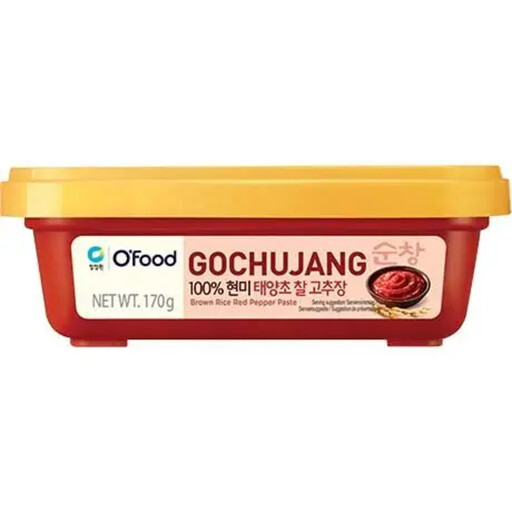
Why This Fits Their Persona: The 170g tub is a manageable introduction to Korean chilli paste for occasional home cooks who want to try bibimbap, marinades or dipping sauces without committing to a large pack.
The listed usage covers cooking, stews and dipping, making its role clearer than a generic hot sauce label.
170g format; suitable for bibimbap, tteokbokki, marinades and dipping sauces.
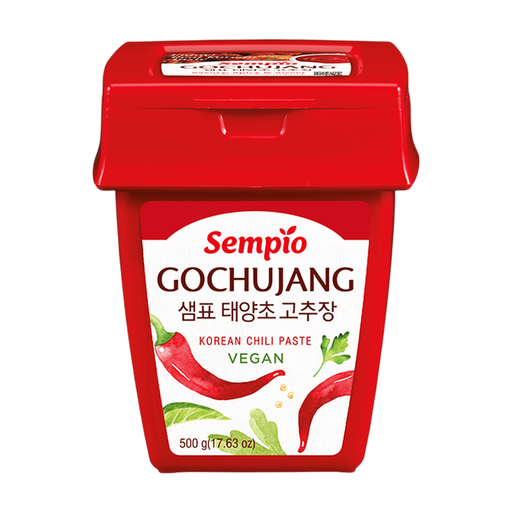
Why This Fits Their Persona: A 500g Korean-made paste suits cooks looking for a substantial pantry staple for repeated marinades, soups, stews and dipping sauces.
The ingredient list identifies fermented rice paste, chilli powder and fermented soybean paste, giving a clearer picture of its flavour base.
500g pack; made in Korea; listed as vegan and halal; contains soya and wheat allergens.
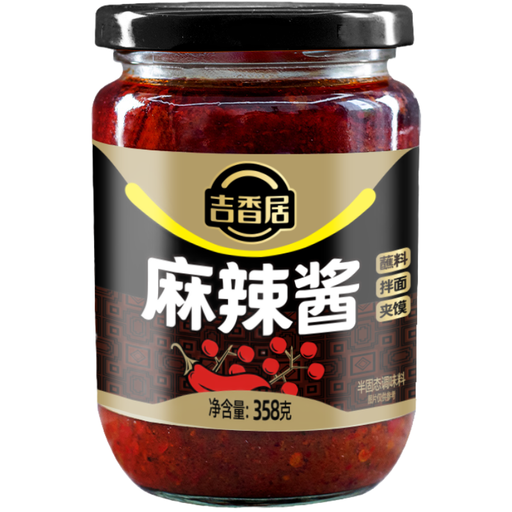
Why This Fits Their Persona: Choose this for Sichuan-style noodles, hot pot, stir-fries and dipping sauces where a numbing peppercorn note is as important as chilli heat.
The product specifies 39% chilli peppers and 2% Sichuan peppercorns, so shoppers can distinguish it from a standard chilli oil.
358g quantity; ready to use; suitable for noodles, stir-fries, dips and hot pot.
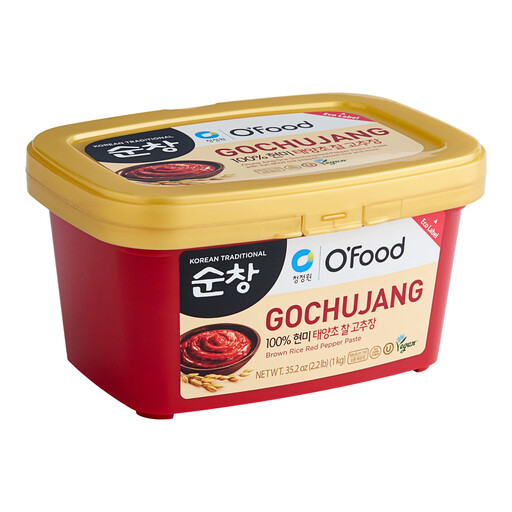
Why This Fits Their Persona: The 1kg format is suited to food-service use, frequent Korean cooking or shared household demand where smaller tubs would be used quickly.
The large quantity is clearly stated, helping buyers assess storage space and turnover rather than paying for an unsuitable bulk pack.
1kg format; suitable for stews, marinades, dipping sauces and stir-fries; contains soya.
We have compiled a complete, real-time list of products that fully satisfy these strict selection criteria and UK safety regulations.
No. Gochujang is generally a thick, fermented Korean cooking paste with savoury, sweet and spicy notes. A vinegar-based hot pepper sauce is usually thinner and more suitable for drizzling or dipping. Check the ingredients and texture before substituting one for the other.
Shelf life varies by product. Many labels advise refrigeration after opening and consumption within a stated period. Use a clean, dry utensil, keep the lid sealed and follow the packaging instructions. Discard the product if it develops an unusual odour, mould or other unexpected change.
Chinese chilli oil and Sichuan chilli sauce are natural choices for noodles, while gochujang works well when mixed with soy sauce, sesame oil or vinegar. For a numbing flavour, choose a product that specifically lists Sichuan peppercorns; for a sweeter, thicker sauce, Korean gochujang may be more suitable.