
24/7 Customer Support

Free returns

Same-day & Next-day Delivery

Quality Guaranteed

Unlock Your Welcome Offers: FREE Delivery | Up to 80% OFF | Free 30-day JoyPlus trial
Download the APP
Navigating the world of Asian chilli sauce can feel like a journey in itself. The shelves, both physical and digital, are packed with jars and bottles promising authentic heat and flavour. Yet, many home cooks in the UK find themselves disappointed, ending up with a sauce that's either all fire and no finesse, or a sugary concoction that misses the mark entirely. When you set out to buy chilli sauce online, it's easy to fall into a few common traps.
Many sauces use the "authentic" label loosely, masking a lack of traditional ingredients like fermented beans or proper spices with excessive sugar or salt. Another frequent pitfall is the one-dimensional sauce—it delivers a blast of heat but lacks the complex, savoury and aromatic notes that define a high-quality condiment. Finally, a watery consistency with low solid content often means you're paying for oil or vinegar rather than the rich blend of chillies and spices you were hoping for.
As your Joybuy Product Recommendation Officer, my role is to help you see past the marketing and focus on what truly matters. This guide will break down the essential factors to consider, ensuring your next purchase adds a perfect, flavourful kick to your meals.
To choose the right Asian chilli sauce, you need to look beyond the heat rating on the label. The character of a sauce is determined by its ingredients, texture and regional style.
The foundation of a chilli sauce dictates its primary use. A thick, fermented gochujang paste is a cornerstone of Korean cooking, bringing a sweet, savoury and spicy depth that's essential for stews and marinades. In contrast, a classic Sichuan chilli oil is an aromatic infusion, prized for its fragrance, nutty notes and the signature numbing sensation of Sichuan peppercorns. These are often rich with chilli flakes and other solids, making them a brilliant finishing touch. Other sauces might be vinegar or water-based, like many Sriracha-style sauces, offering a sharper, tangier heat that works well as a straightforward spicy dipping sauce.
A quick look at the ingredients list can tell you a lot. Look for the percentage of chillies or other key ingredients. A higher solid content (often listed as a percentage) generally indicates a richer, more textured sauce with a concentrated flavour. Ingredients like fermented soybeans, garlic, mustard greens or peanuts add layers of umami and texture that separate a great sauce from a mediocre one. A sauce where oil, water or sugar is the first ingredient may not deliver the robust flavour you're seeking for an authentic Chinese hot sauce or Korean spicy sauce.
Consider how you plan to use the sauce. A chunky chilli crisp or oil is perfect for spooning over noodles, dumplings and eggs, where its texture can shine. A smooth, thick paste is better suited for a stir fry sauce as it coats ingredients evenly and dissolves well into the dish. For a versatile table condiment, a creamy Sriracha mayo or a smooth, pourable hot sauce provides convenience and balanced flavour for everything from chips to sandwiches.
To help you find a match for your kitchen, here are several recommendations tailored to different tastes and cooking styles.
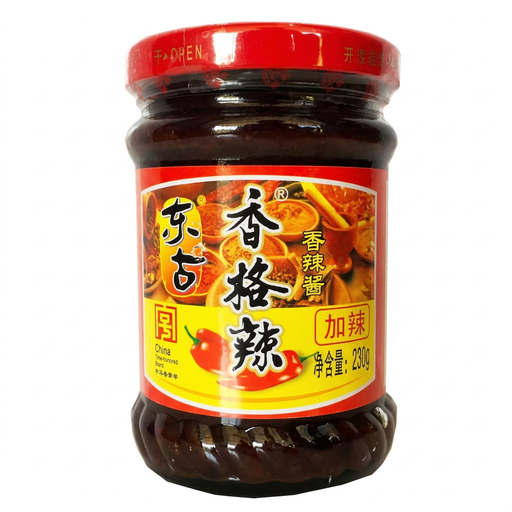
Why This Fits Their Persona: This is for the home cook who wants a reliable, go-to sauce that adds a pleasant kick to daily meals without overwhelming them. It's perfect for drizzling on rice, mixing into noodles, or using as a simple dip.
It sidesteps the "all heat, no flavour" pitfall by offering a mellow, savoury spiciness grounded in broad bean paste and garlic, ensuring a balanced taste.
Highly versatile for dipping, stir-frying and as a table condiment. Its mild heat level makes it accessible for most palates.
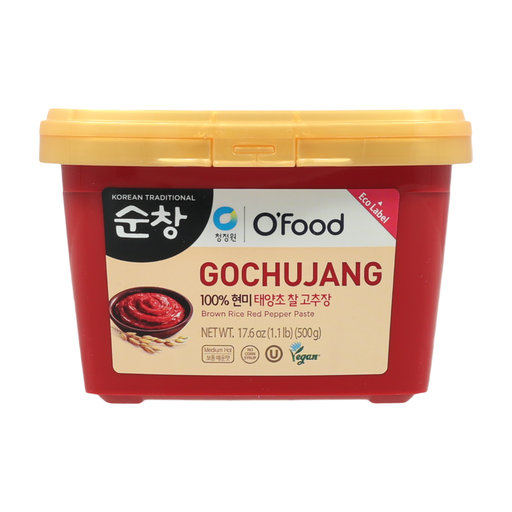
Why This Fits Their Persona: For the aspiring cook looking to recreate authentic Korean dishes like bibimbap, tteokbokki, or spicy stews (jjigae). This is a foundational pantry staple, not just a condiment.
This is a genuine gochujang paste, avoiding the "inauthentic" trap. Its flavour comes from a traditional blend of chilli powder, fermented soya and maltose syrup, not just sugar.
Provides the essential deep, savoury and moderately spicy flavour profile that is non-negotiable for a wide range of Korean recipes.
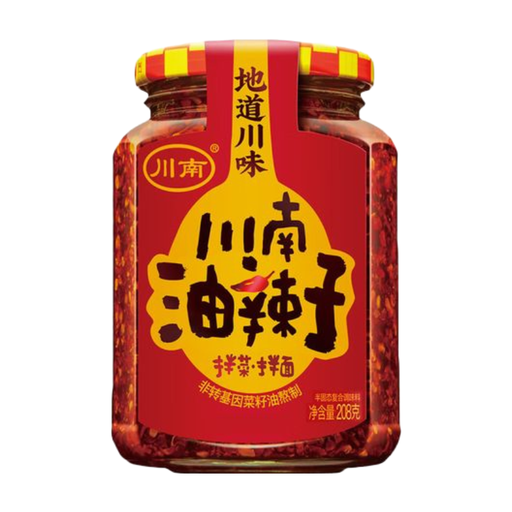
Why This Fits Their Persona: This is for the foodie who craves the complex, aromatic heat of Sichuan cuisine. They want more than just spice; they're looking for fragrance, texture and that authentic umami depth.
It avoids being a watery, low-substance sauce. This is a classic Sichuan chilli oil style condiment, rich with solids and enhanced with fermented soybeans for a savoury, umami flavour.
Delivers an authentic Sichuan flavour profile with a rich, spicy aroma and texture. The addition of fermented soybeans provides a depth that many simpler chilli oils lack.
We have compiled a complete, real-time list of products that fully satisfy these strict selection criteria and UK safety regulations.
The main difference lies in their base and flavour profile. Gochujang is a thick, fermented Korean paste made from chilli powder, glutinous rice, fermented soybeans and salt. It has a complex sweet, savoury and spicy taste. Sichuan chilli oil is a Chinese condiment made by infusing oil with chillies, Sichuan peppercorns and other spices. It is aromatic, nutty and known for creating a tingling, numbing sensation (málà), with a texture that is often crunchy or flaky.
Most shelf-stable chilli sauces should be stored in a cool, dry place away from direct sunlight before opening. Once opened, it is almost always recommended to refrigerate them to preserve their flavour and prevent spoilage. Always use a clean spoon to take sauce from the jar to avoid introducing contaminants. Check the product's label for specific storage instructions.
While you can technically add any sauce, some are better suited for a stir fry sauce than others. Pastes like gochujang or thick sauces with a high solid content work well as they can be thinned with a little water or stock and will coat ingredients evenly. Chilli oils are often better used as a finishing oil, drizzled on at the end of cooking to preserve their delicate aroma, which can be lost with high heat.