
24/7 Customer Support

Free returns

Same-day & Next-day Delivery

Quality Guaranteed

Unlock Your Welcome Offers: FREE Delivery | Up to 80% OFF | Free 30-day JoyPlus trial
Download the APP
The shelves of UK supermarkets are now bursting with a vibrant array of Asian chilli sauces, promising to add a fiery and flavourful kick to your home cooking. But with so many options, from the globally recognised sriracha to the more niche sambal oelek, it's easy to pick a bottle that doesn't quite hit the mark. Many home cooks find themselves with a cupboard full of sauces that are either one-dimensionally spicy, disappointingly sweet or simply the wrong flavour profile for their intended dish.
As a Joybuy Product Recommendation Officer, my role is to help you navigate the options and find the right sauce for your needs. Before you add another bottle to your basket, let's look at the common pitfalls to avoid.
To ensure you're getting a sauce that truly enhances your food, focus on these two core parameters.
The flavour profile of an Asian chilli sauce is determined by its base ingredients and regional origin. Understanding the main types is crucial for matching the sauce to your cooking.
A good chilli sauce should offer more than just heat. Look at the ingredient list for aromatics that add complexity, such as lemongrass, galangal or fermented beans.
Equally important is checking for dietary suitability. Many sauces contain allergens like soy, gluten, crustaceans (shrimp paste) or nuts. If you have specific requirements, look for clear labelling for vegan chilli sauce or gluten-free sriracha. The presence of flavour enhancers like MSG (E621) is also something to note if you prefer to avoid it.
Instead of a generic list, we've matched some standout sauces to the UK home cooks who will appreciate them most.
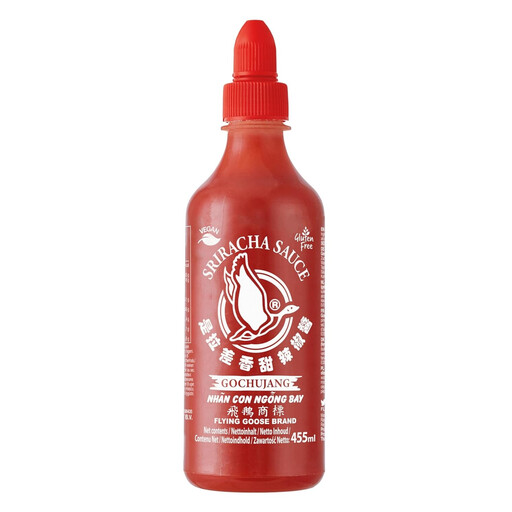
Why This Fits Their Persona: For the home cook who loves experimenting, this sauce combines the tangy heat of Thai sriracha with the savoury, fermented depth of Korean gochujang. It’s perfect for creating unique fusion dishes, from spicy noodle bowls to innovative marinades for the weekend barbecue.
It sidesteps the "one-note wonder" trap by offering a complex, layered flavour profile. It also clearly defines its fusion style, avoiding the vague "authentic" label by specifying its Thai and Korean influences.
Highly versatile for dipping, cooking and marinating. It is also certified Halal and suitable for vegans, catering to multiple dietary needs.
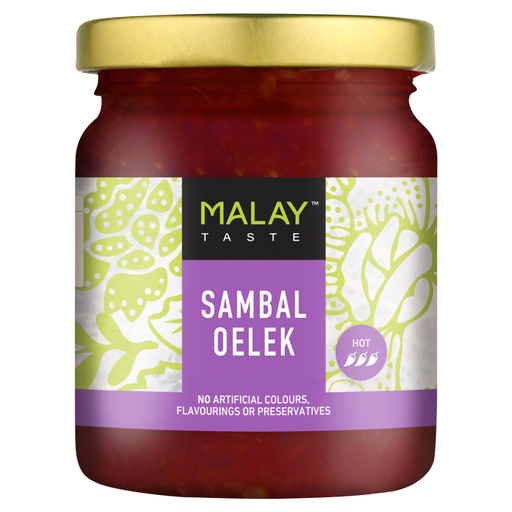
Why This Fits Their Persona: This is for the cook who needs a pure, fiery foundation for authentic Southeast Asian dishes. If your recipe calls for a clean chilli kick without added sweetness or complex spices, this traditional Malaysian-style paste is the ideal starting point for stir-fries, marinades and homemade sauces.
It completely avoids the hidden sugar trap. As a classic sambal oelek, its purpose is to provide heat and chilli flavour, not sweetness. Its straightforward nature makes it an honest, reliable ingredient.
A simple, high-quality ingredient list focused on dried chilli. It's a versatile base that allows the cook to control the final flavour profile of their dish. Suitable for vegetarians and vegans.
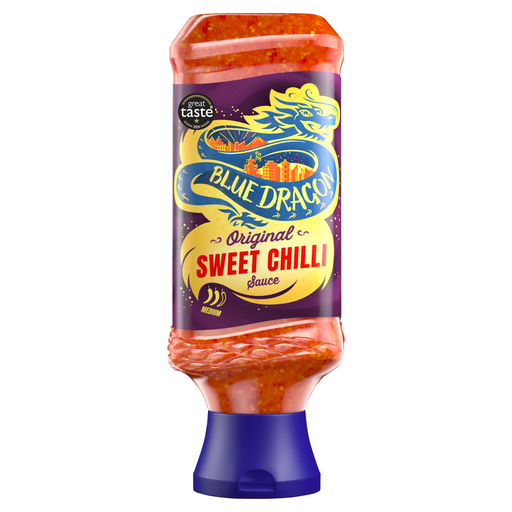
Why This Fits Their Persona: This is the go-to for anyone needing a reliable, crowd-pleasing dipping sauce. It's perfect for spring rolls, chicken goujons, halloumi fries or simply as a drizzle over wraps. Its familiar sweet, sticky and tangy profile requires no extra preparation.
While it is a sweet chilli sauce, its purpose as a dipping sauce is clear and it delivers on that promise. It avoids the "one-note" trap by balancing the sweetness with 20% red chillies, garlic and acetic acid for a tangy finish.
A consistent and recognised flavour profile that works straight from the bottle. It's also gluten-free and suitable for vegetarians and vegans, making it a great choice for entertaining.
We have compiled a complete, real-time list of products that fully satisfy these strict selection criteria and UK safety regulations.
Most commercially produced chilli sauces have a good shelf life due to ingredients like vinegar, salt and sugar, which act as preservatives. Once opened, they should always be stored in the refrigerator with the cap tightly sealed. As a general rule, you should aim to consume them within 8 to 12 weeks for the best flavour and quality. Always check the product label for specific storage instructions.
While both are chilli-based, they are not direct substitutes. Sriracha is a liquid hot sauce with a tangy, garlicky flavour, best used as a finishing condiment. Gochujang is a thick, fermented paste with a deep, savoury and sweet flavour profile. It is primarily used as a cooking ingredient to build the base of Korean dishes like stews, soups and marinades. Using one in place of the other will significantly change the taste and texture of your dish.
Not always. It is essential to check the ingredients list carefully. Many traditional sauces, particularly Thai chilli paste and some sambals, contain shrimp paste, making them unsuitable for vegans or those with crustacean allergies. Similarly, some sauces, especially those inspired by Korean or Chinese cuisine, may use soy sauce or miso paste that contains wheat, so they are not gluten-free. Thankfully, many brands now offer clearly labelled vegan and gluten-free versions.