
24/7 Customer Support

Free returns

Same-day & Next-day Delivery

Quality Guaranteed

Unlock Your Welcome Offers: FREE Delivery | Up to 80% OFF | Free 30-day JoyPlus trial
Download the APP
A good Asian chilli sauce can transform a simple meal into something truly memorable. Yet, the growing selection in UK shops can be overwhelming. Many home cooks find themselves with a cupboard full of jars that promised authentic flavour but delivered one-dimensional heat or an unsuitable texture for their favourite recipes. As a Joybuy Product Recommendation Officer, my role is to help you navigate the options and find the right spicy condiments for your kitchen.
Before you add another jar to your basket, let’s look at the common pitfalls that lead to disappointing purchases.
To avoid these issues, focus on a few core characteristics. Understanding these will ensure the Asian chilli sauce you choose is perfect for your intended use, whether it's for a stir-fry, a marinade or a final drizzle.
The foundation of the sauce dictates its primary function and taste. Most fall into three main categories:
Always scan the ingredients. This tells you the true character of the sauce. Are there fermented black beans for a savoury depth? Peanuts and sesame seeds for texture? The presence of specific spices will indicate its regional origin and flavour profile.
For oil-based sauces, some brands specify the solid content. A higher percentage (e.g., 60% or more) means you are getting more of the flavourful chilli, garlic and other bits, and less plain oil. This is a great indicator of texture and value for money.
Consider how you plan to use the sauce.
Based on these practical criteria, here are a few recommendations from our catalogue, matched to different types of home cooks in the UK.
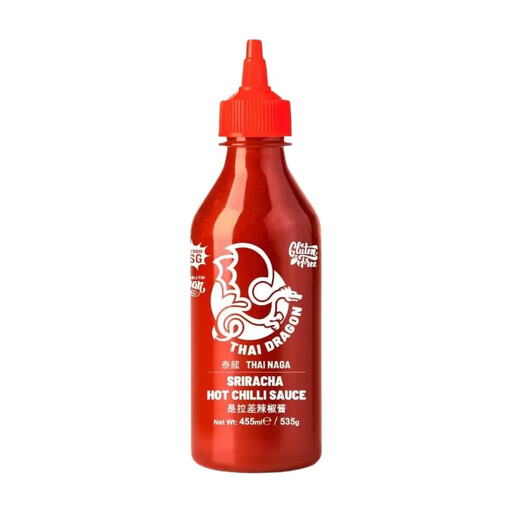
Why This Fits Their Persona: For the UK home cook who wants a reliable, multi-purpose hot sauce that works with Asian and Western dishes alike. It's an approachable entry point into the world of Asian chilli sauces.
It sidesteps the "authenticity illusion" by being a clearly defined, globally recognised style. Its vinegar base provides a tangy complexity, avoiding the "one-note heat" problem.
Highly versatile for use as a condiment, in marinades or mixed into sauces. The smooth consistency makes it easy to incorporate into any dish.
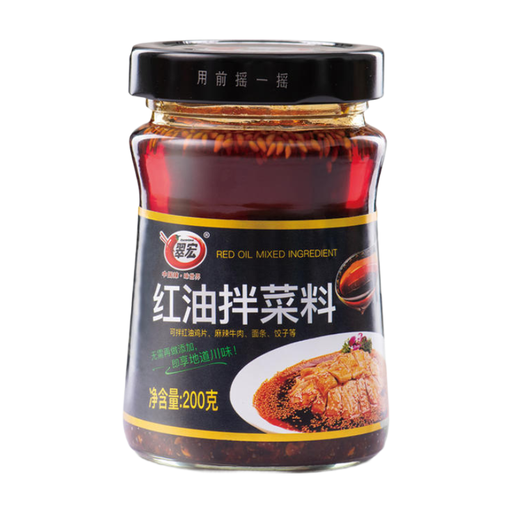
Why This Fits Their Persona: Ideal for someone who wants to recreate a specific regional dish at home, like a Sichuan-style smashed cucumber salad, without having to buy and blend a dozen spices.
This product is purpose-built for a specific use, avoiding the "authenticity illusion." Its blend of chilli, sesame, peanuts and Sichuan pepper provides a complex, aromatic flavour, not just heat.
A complete seasoning mix that delivers an authentic Sichuan flavour profile for cold dishes with minimal effort. The texture is rich with solids.
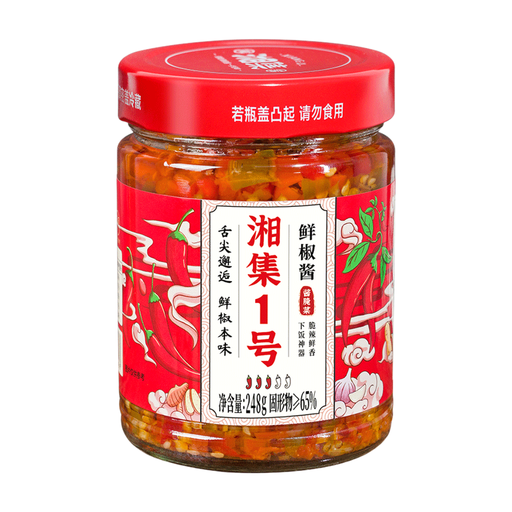
Why This Fits Their Persona: For the foodie who loves a chunky, textured chilli condiment. This person appreciates a high ratio of solids to oil and wants a sauce that adds a crispy, fresh-tasting heat to noodles, rice and dumplings.
It directly counters the "texture mismatch" pitfall by highlighting its high solid content (65%). Made with fresh chillies, it offers a crisp texture and flavour that is far from one-dimensional.
Generous amount of solids provides excellent value and a satisfyingly crunchy texture. The flavour is savoury and rich with garlic, not just oily.
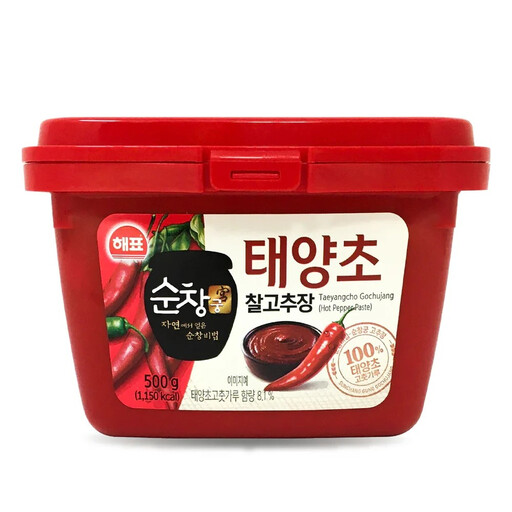
Why This Fits Their Persona: Essential for anyone serious about cooking Korean food. This is the foundational gochujang needed for authentic-tasting bibimbap, tteokbokki (spicy rice cakes) and meat marinades.
This is a classic fermented paste, not a simple hot sauce. Its thick texture is exactly what's required for Korean cooking, avoiding the "texture mismatch" for its intended recipes.
Delivers a deep, savoury and complex umami flavour that cannot be replicated with other types of chilli sauce. It's a fundamental building block for Korean cuisine.
We have compiled a complete, real-time list of products that fully satisfy these strict selection criteria and UK safety regulations.
Most oil-based and fermented chilli sauces are shelf-stable when unopened. Always store them in a cool, dark place like a pantry. After opening, it is recommended to refrigerate them to preserve their flavour and prevent the oils from going rancid. An opened jar, when refrigerated, will typically last for several months. Always check the label for specific storage instructions.
The primary difference is in their base and flavour. Chinese chilli oil is an oil-based condiment infused with dried chilli flakes and other aromatics, prized for its fragrance and crunchy texture. It's mainly used as a finishing touch. Gochujang is a thick, fermented paste made from chilli powder, glutinous rice and soybeans. It has a deep, savoury, slightly sweet and complex flavour and is used as a cooking paste in marinades, stews and sauces rather than a topping.
While you can, it may not be ideal. Spicy dipping sauces are balanced for immediate consumption and are less concentrated. If you use one in a stir-fry, you might need to use a larger quantity to achieve the desired flavour, and the final taste might be sweeter or less savoury than if you used a dedicated stir-fry sauce or cooking paste. It's best to use products as intended for the most authentic results.