
24/7 Customer Support

Free returns

Same-day & Next-day Delivery

Quality Guaranteed

Unlock Your Welcome Offers: FREE Delivery | Up to 80% OFF | Free 30-day JoyPlus trial
Download the APP
As a nation of food lovers, our appetite for authentic global cuisine has never been greater. The complex, vibrant flavours of Asia are a firm favourite in UK kitchens, but navigating the world of condiments can be a challenge. Walk down the international aisle and you are met with a dizzying array of jars and bottles, all promising a spicy kick. Choosing the right Asian chilli sauce is the secret to elevating your home-cooked meals from good to great, but it is easy to make a costly mistake.
Many home cooks find themselves with a cupboard full of half-used jars that did not deliver the flavour promised. To help you select with confidence, we will break down the common pitfalls and clarify the essential factors to consider before you buy.
The "One-Size-Fits-All" Myth: It is tempting to buy one generic "hot sauce" and hope it works for everything from a Korean marinade to a Sichuan stir-fry. This often leads to disappointment. A sweet and savoury gochujang is fundamental to Korean cooking but would be out of place in a dish requiring the aromatic, numbing heat of Sichuan pepper. Using the wrong sauce can clash with other ingredients and compromise the authenticity of your dish.
Confusing Heat with Flavour: Not all spice is created equal. Some sauces offer one-dimensional heat that simply burns, while authentic Asian condiments provide a complex layering of flavours. This can range from the deep, fermented umami of a Korean chilli paste, the smoky aroma of a Chinese chilli oil or the distinctive tingling sensation (málà) of Sichuan peppercorns. A label that just says "hot" tells you very little about the actual taste experience.
Ignoring the Sauce's Form and Function: A common error is misunderstanding the texture and intended use of a sauce. A thick paste is designed to be a cooking base or part of a marinade, while a crunchy chilli crisp is a finishing condiment, meant to be spooned over the top of a dish just before serving. Using an oil-based topping as a stir-fry base can result in a greasy meal, while a thick paste will not work as a light dipping sauce without being thinned out.
To avoid these traps, focus on a few core parameters. Understanding these will empower you to select the perfect condiment for your culinary needs.
The physical form of the sauce is your first clue to its function.
Look beyond the chilli and check the ingredients for the sauce's flavour direction.
Based on these principles, here are a few recommendations matched to different cooking styles and preferences.

Why This Fits Their Persona: For the home cook in the UK just starting to explore Korean recipes like bibimbap or tteokbokki, this gochujang provides the essential flavour profile without requiring commitment to a large tub.
It directly counters the "one-size-fits-all" pitfall by being a purpose-made Korean chilli paste, ensuring an authentic sweet, savoury and spicy base for specific dishes.
The 170g tub is a convenient size for occasional use, preventing waste. It offers the classic, balanced gochujang flavour profile that is versatile for marinades, stews and sauces.
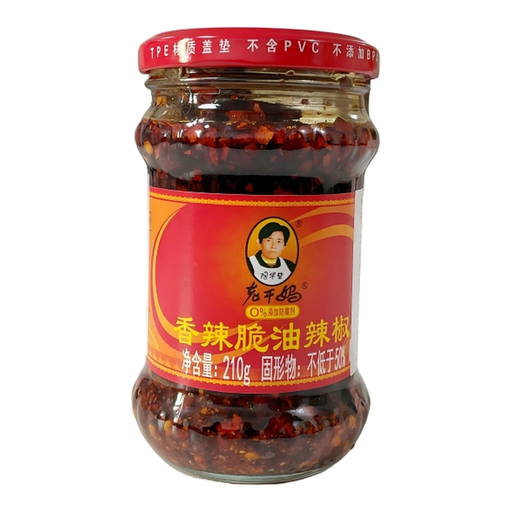
Why This Fits Their Persona: Perfect for the person who loves adding a final flourish of flavour and crunch. This iconic chilli crisp is a pantry staple for instantly upgrading noodles, fried rice, dumplings or even just a bowl of plain rice.
This product's function is clear from its texture, avoiding the "texture mismatch" pitfall. It is an oil-based condiment with crunchy solids, designed as a topping, not a cooking sauce.
Delivers a satisfying crunchy texture from chilli flakes and peanuts, alongside a deep, savoury flavour from fermented soybeans. It is incredibly versatile as a finishing condiment.

Why This Fits Their Persona: For the cook dedicated to recreating authentic Sichuan dishes like Mapo Tofu or Dry Pot at home. This is not a sauce, but the core ingredient for achieving the signature numbing *málà* flavour.
It helps you avoid the "confusing heat with flavour" trap by isolating the unique Sichuan pepper sensation. This allows you to control the numbing level independently from the chilli heat.
This is a pure, ground spice, offering an authentic aromatic and numbing flavour. The small container is convenient for home kitchens and ensures the spice remains potent.
A versatile Gochujang is often a great first step into the world of Asian chilli pastes, offering a gateway to a wide range of delicious Korean dishes.
We have compiled a complete, real-time list of products that fully satisfy these strict selection criteria and UK safety regulations.
The primary difference lies in their composition and use. Chinese chilli oil is an infused oil, often containing crispy solids like fried garlic and chillies and is used as a finishing condiment to add texture and aromatic heat. In contrast, gochujang, or Korean chilli paste, is a thick, smooth, fermented paste made from rice, soybeans and chillies. It has a complex sweet, savoury and spicy flavour and is used as a cooking base for stews, marinades and sauces.
For most oil-based sauces like chilli crisp and fermented pastes like gochujang, refrigeration is recommended after opening. This helps to preserve their flavour and prevent spoilage. Always ensure the lid is screwed on tightly to keep out air and contaminants. It is always advisable to check the product's packaging for specific storage instructions.
While culinary experimentation is always encouraged, using sauces interchangeably is not always ideal if you are aiming for an authentic flavour profile. For instance, substituting a thin, vinegary sauce in a recipe that calls for a thick, sweet gochujang will dramatically change the taste and consistency of the dish. Understanding the sauce's base ingredients, texture and flavour profile is the key to a successful substitution.