
24/7 Customer Support

Free returns

Same-day & Next-day Delivery

Quality Guaranteed

Unlock Your Welcome Offers: FREE Delivery | Up to 80% OFF | Free 30-day JoyPlus trial
Download the APP
Choosing Asian chilli sauces and pastes online can be surprisingly difficult. A glossy bottle may look authentic, while the actual flavour is mostly sugar, vinegar or salt. A large jar can appear economical but may sit unused in the fridge. Seasoning blends can also seem interchangeable, even though one may be designed for grilling and another for cooking.
This guide focuses on the details that matter when comparing Thai, Korean, Malaysian, South Asian, African and Cajun-style products.
“Hot” does not necessarily mean complex. Some sauces are designed to deliver sweetness and a gentle chilli note, while others use a higher proportion of chillies for a sharper, more direct heat. Check the ingredient order: ingredients are generally listed by weight, so sugar or water near the beginning indicates a sweeter or thinner base.
For example, Thai sweet chilli sauce is usually intended for dipping and glazing, whereas an extra hot chilli sauce may be more suitable for adding small amounts to noodles, soups or marinades.
A ready-to-use condiment is not always a cooking paste. Some products work directly from the bottle, while concentrated pastes are intended to be fried or mixed with other ingredients. Using a fermented Korean hot pepper paste as though it were a thin dipping sauce may produce an overly salty or dense result.
Look for wording such as ready to eat, use as a dip, fry before use, or marinate before cooking.
A 730ml or 800g bottle may suit a busy household, but a smaller bottle can be more practical for occasional use. Once opened, many sauces require refrigeration and should be consumed within a stated period. Always check the storage instructions, best-before date and recommended use after opening.
There is no single UK-wide scale that makes heat ratings directly comparable across every sauce. Instead, compare the listed chilli percentage and flavour ingredients.
Sauces and seasonings are concentrated products, so compare nutrition per 100g alongside the suggested serving size. Dry seasonings can contain substantial salt: Dunns River Peri Peri Seasoning lists 30g salt per 100g, while Cape Herb & Spice Louisiana Cajun Seasoning lists 47g salt per 100g. These products are intended to be sprinkled or rubbed in small quantities.
Sweet sauces can also contain considerable sugar. Mae Ploy Sweet Chilli Sauce lists approximately 62g sugars per 100g, while Lingham’s Extra Hot Chilli Sauce lists 54g. This does not make either product unsuitable, but it is useful information when deciding how often and how much to use.
Read the full label before purchase, particularly if you have food allergies or follow a restricted diet. Potential ingredients in this selection include soy, wheat, mustard, fish and crustaceans. Haepyo Sunchanggung Hot Pepper Paste contains fermented soybean ingredients, while Mae Pranom Thai Chilli Paste contains shrimp paste.
Check whether the product needs refrigeration after opening. A clean spoon or pouring nozzle also helps reduce contamination and maintain quality.
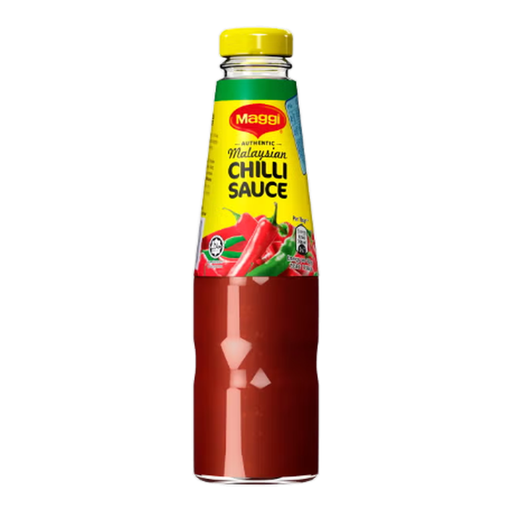
Why This Fits Their Persona: A manageable bottle for first-time world-food shoppers who want one sauce for snacks, noodles and everyday meals.
Its label clearly positions it as a dip, table sauce and cooking ingredient, rather than a specialist paste requiring a precise recipe.
Made in Malaysia; combines chilli, tomato, vinegar, garlic and ginger; refrigerate after opening.
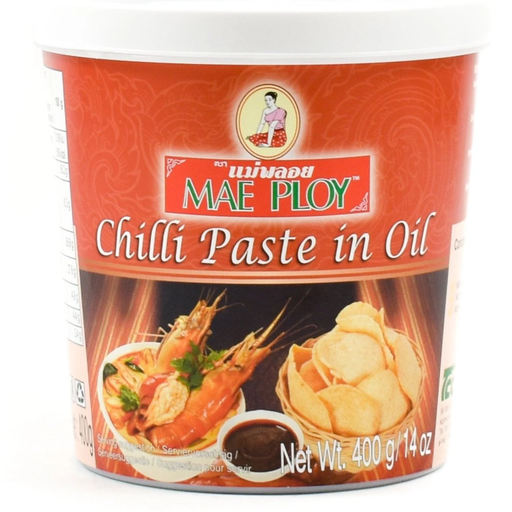
Why This Fits Their Persona: Suits cooks seeking a concentrated Thai base for stir-fries, marinades and custom dipping sauces.
The ingredients specify 35% sun-dried chillies with garlic, salt and vegetable oil, making its concentrated format clear.
400g quantity; made in Thailand; typically stir-fry 1–2 tablespoons with other ingredients.

Why This Fits Their Persona: A practical option for barbecue enthusiasts preparing beef, bulgogi-style dishes, grilled vegetables or marinades for gatherings.
The stated uses cover marinating, glazing and dipping, so the thick sauce has a defined role beyond simply adding heat.
500g jar; Korean-style profile with soy, garlic, onion, pear, ginger and sesame oil; contains soy and wheat.
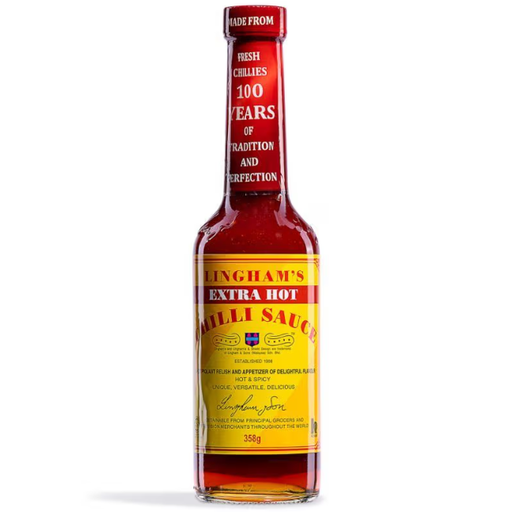
Why This Fits Their Persona: Designed for chilli enthusiasts who want a direct heat boost in small amounts across marinades, dips, soups and stir-fries.
Its extra-hot format and listed red chilli content make it unsuitable for shoppers seeking a mild, sweet table sauce.
Made in Malaysia; contains cane sugar, red chillies, salt and vinegar; ready to use and does not require refrigeration after opening.
For grilling, compare peri peri seasoning, Cajun seasoning and lemon-and-herb rubs. Dunns River Peri Peri Seasoning combines chilli, paprika, garlic, citrus and herbs for marinades and rubs. Cape Herb & Spice Louisiana Cajun Seasoning includes paprika, coriander, mustard, cumin and herbs but contains mustard and has a high salt content.
For a Thai basil stir-fry, Lobo Thai Basil Paste Bag 50g is portioned for a family meal and includes chilli, holy basil, garlic, soy and fish sauce. For South Asian cooking, Yeo’s Malaysia Spicy Tamarind Paste adds tamarind, chilli, lemongrass and spices; it contains wheat.
A tamarind sauce such as Shezan Imlee Sauce is more tangy and sweet than a chilli-led condiment, making it useful with snacks, marinades and dipping sauces. For Korean cooking, Haepyo Sunchanggung Hot Pepper Paste provides a dense sweet, savoury and spicy base for bibimbap, stews and tteokbokki.
We have compiled a complete, real-time list of products that fully satisfy these strict selection criteria and UK safety regulations.
Chilli sauce is usually pourable and ready to use as a dip, glaze or table condiment. Chilli paste is thicker and more concentrated, often intended to be fried, diluted or mixed into a recipe. Always follow the preparation guidance on the jar or sachet.
Many products need refrigeration after opening, even when they are ambient products before opening. Keep the lid tightly closed, use clean utensils and follow the manufacturer’s stated consumption period. Some products, such as Lingham’s Extra Hot Chilli Sauce, specify that refrigeration is not necessary but the label should take priority.
Look for a product described as mild or gently spicy, such as a Thai sweet chilli sauce or lemon-and-herb rub with an extra-mild chilli rating. Avoid extra hot sauces and concentrated pastes unless you plan to use very small quantities and adjust the recipe gradually.