
24/7 Customer Support

Free returns

Same-day & Next-day Delivery

Quality Guaranteed

Unlock Your Welcome Offers: FREE Delivery | Up to 80% OFF | Free 30-day JoyPlus trial
Download the APP
Navigating the world of Asian chilli sauces can feel overwhelming. The shelves are packed with vibrant jars and bottles, all promising an authentic taste. Yet, many UK home cooks find themselves disappointed, with a cupboard full of condiments that miss the mark. The goal is to find that perfect sauce to elevate your noodle bowls, stir-fries and dumplings, but it's easy to make a costly misstep.
As the Joybuy Product Recommendation Officer, my role is to help you see past the marketing jargon. We've noticed a few common pitfalls that catch buyers out. By understanding them, you can make a much more informed choice and bring genuine, complex flavours into your kitchen.
To avoid these traps, focus on a few core characteristics. This will help you match the right sauce to your cooking style and desired flavour profile.
The foundation of the sauce dictates its primary use. Understanding this is the first step to culinary success.
The texture is a clear indicator of a sauce's intended application.
Instead of a generic list, we've matched some standout options to the specific needs of UK home cooks.
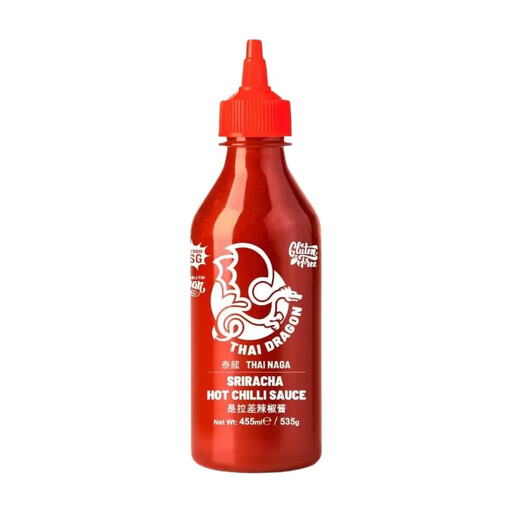
Why This Fits Their Persona: This is a fantastic all-rounder for anyone looking to move beyond standard supermarket hot sauce. Its familiar squeezy bottle format makes it approachable, and its versatile flavour is perfect for adding a tangy, garlicky kick to noodles, eggs, burgers or kebabs.
It sidesteps the "one-dimensional heat" trap by delivering the characteristic tangy and garlicky profile of a proper Thai sriracha, offering complexity beyond just spice.
A smooth, versatile texture that works as a dip, drizzle or marinade ingredient. It is also gluten-free and comes in a generous 455ml bottle.

Why This Fits Their Persona: For the cook determined to replicate genuine Chinese flavours, this is a non-negotiable pantry staple. It's the key to unlocking the deep, savoury umami required for countless Sichuan dishes, noodle bowls and fried rice.
This is the antidote to the "inauthentic" trap. It's not a westernised sauce but a globally recognised Chinese chilli oil, delivering the complex, salty and savoury heat from its signature fermented bean paste (black beans).
Provides both flavour and a unique textural element. The fermented black beans offer a satisfying, slightly chewy contrast to the crispy chilli and fragrant oil.
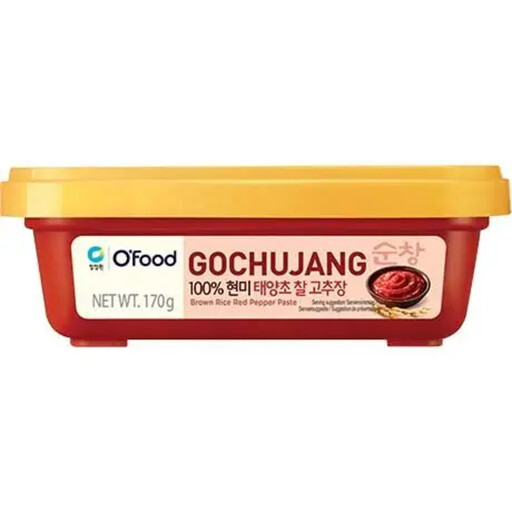
Why This Fits Their Persona: Anyone serious about cooking Korean food needs Korean gochujang. This paste is the foundational flavour for dishes like tteokbokki (spicy rice cakes), bibimbap sauce and countless stews (jjigae). It's a cooking ingredient, not a table sauce.
This product helps users avoid the "misunderstanding the role" pitfall. Its thick, paste-like form makes it clear that it is a cooking base, preventing you from using a finishing oil by mistake and achieving a much deeper flavour.
Made in Korea, it provides the authentic sweet, savoury and spicy fermented flavour that cannot be replicated with other types of chilli sauce. It's the key to genuine Korean cooking.
We have compiled a complete, real-time list of products that fully satisfy these strict selection criteria and UK safety regulations.
The main difference lies in their base and intended use. Chinese chilli oil is an oil-based condiment infused with chilli flakes and other aromatics. It's used as a finishing touch to add texture, fragrance and moderate heat. Sriracha is a vinegar-based sauce that is smooth, tangy and garlicky. It's more of an all-purpose hot sauce for dipping, mixing and marinating.
This varies, so always check the label. As a general rule, oil-based condiments like Lao Gan Ma can last for several months in the fridge if you use a clean spoon each time to prevent contamination. Vinegar-based sauces like Thai sriracha can last for 8 weeks or more refrigerated due to the preservative effects of vinegar. Fermented pastes like Korean gochujang are also quite stable and can last for many months in the fridge.
You can, but not straight from the tub. Gochujang is a very concentrated fermented bean paste. To make a delicious dipping sauce for dumplings or other foods, you should mix it with other ingredients. A common combination is to whisk a spoonful of gochujang with sesame oil, a little sugar or honey, rice vinegar and a splash of water to achieve a smoother, more balanced consistency.