
24/7 Customer Support

Free returns

Same-day & Next-day Delivery

Quality Guaranteed

Unlock Your Welcome Offers: FREE Delivery | Up to 80% OFF | Free 30-day JoyPlus trial
Download the APP
Looking for Asian chilli snacks and condiments can quickly become confusing. A brightly coloured packet may suggest intense heat, while a large jar may offer less usable chilli topping than expected. Some products are suitable for vegetarians but contain soya or wheat; others appear plant-based but include prawns, fish or cuttlefish.
The most useful approach is to compare the label, texture, pack size and intended use rather than relying on phrases such as “authentic”, “traditional” or “extra spicy”.
A product labelled sweet chilli may deliver a gentle warmth with noticeable sugar, rather than the sharp heat associated with fresh chillies. Thai sweet chilli crisps, plantain chips and rice crackers are generally designed for snacking, where seasoning balance and crunch matter as much as heat.
By contrast, crispy chilli oil, garlic chilli oil and chilli crisp are usually added to noodles, rice, dumplings or stir-fries. Their heat can be easier to control because you choose the serving quantity.
A multipack may provide better convenience for parties or regular snacking, but a single jar may be more practical for occasional cooking. Check both the net quantity and the number of individual packs. For example, a 150g crisp pack and a 150g x 6 case are very different purchases.
Jars containing oil-based condiments also require suitable storage after opening. Some products need refrigeration and should be used within a stated period, so avoid buying more than you can reasonably consume.
Ingredient lists can include soya sauce powder, wheat, sesame, crustaceans or fish even when the product name focuses on chilli and garlic. Cassava chips may be made without known allergens, while sweet chilli crisps can contain cereals containing gluten and soya.
For UK shoppers with allergies or dietary requirements, read the bold allergen information on the current packaging before purchase. Product recipes and packaging can change, and online descriptions should not replace the label.
There is no single standard heat scale across all Asian or Caribbean chilli products. A stated rating, such as heat level 2 for Itsu Crispy Chilli Oil, is useful as a guide but should not be treated as a universal measurement.
Consider the following:
If you are serving a group, a milder snack plus a separate chilli sauce or chilli oil allows people to adjust the heat themselves.
For chilli crisps and ready-to-eat spicy snacks, texture is central to the purchase. Thicker-cut potato crisps offer a firm crunch, while plantain chips and cassava chips provide a denser, more starchy bite. Rice-based chilli crispies can be lighter and are often portioned for lunchboxes or sharing.
For condiments, check whether the jar includes:
Oil-based chilli products can be high in salt and fat per 100g, although typical servings may be much smaller. Use the nutrition panel to compare products and treat chilli toppings as a flavouring rather than a large side portion.
Storage instructions are equally important. Keep unopened products in a cool, dry place unless the label says otherwise. After opening, use a clean, dry utensil and follow the stated refrigeration or consumption guidance. Crisps and crackers should be resealed promptly to reduce moisture-related loss of crunch.
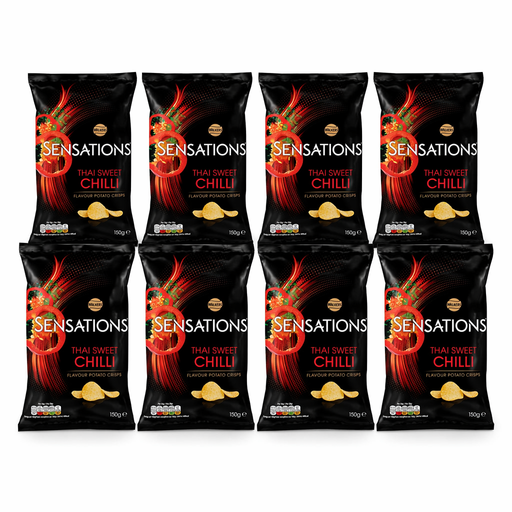
Why This Fits Their Persona: A familiar potato crisp format with Thai-inspired sweet and spicy seasoning makes this an accessible starting point for UK shoppers exploring international flavours.
The product information identifies the flavour as subtly sweet and spicy rather than presenting it as an extreme-heat snack. The case format also makes the quantity clear.
Vegetarian; ready to eat; 150g individual packs; suitable for sharing. Contains wheat, gluten and soya, so check the label carefully.

Why This Fits Their Persona: Suitable for shoppers who want a measured, ready-to-use topping for noodles, rice, dumplings and stir-fries rather than a snack eaten directly from the bag.
Its listed heat level is 2, helping set expectations, while the ingredient list shows fried garlic, spring onions, sunflower seeds and sesame seeds for texture.
100g jar; fried garlic and seeds; versatile drizzle or topping. Refrigerate after opening and consume within one month. Contains sesame, soya and wheat.
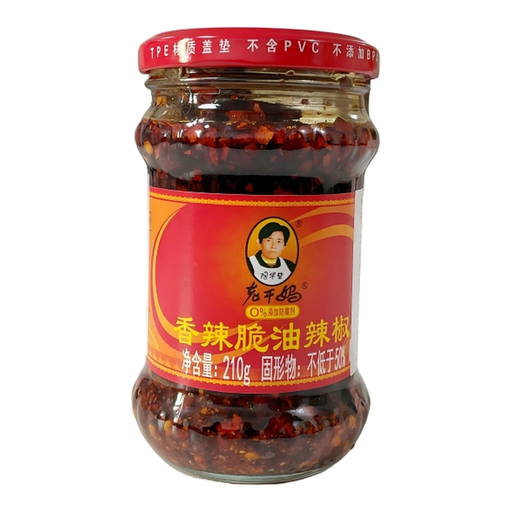
Why This Fits Their Persona: A larger jar suits frequent cooks who want a spoonable chilli crisp for noodles, rice, dumplings, hot pot dipping sauces and stir-fries.
The stated quantitative declaration identifies chilli flakes, peanuts and soya beans, giving a clearer picture of texture and allergen considerations than the front label alone.
210g net weight; includes chilli flakes, peanuts, black beans and Sichuan pepper; ready to eat. Contains soya beans and peanuts.
We have compiled a complete, real-time list of products that fully satisfy these strict selection criteria and UK safety regulations.
For Caribbean-inspired flavours, Grace Plantain Chips Sweet Chilli offer a crisp plantain base in an 85g pack, while Mirasa Cassava Chips Chilli provide a larger 250g packet and are listed as suitable for vegans with no known allergens. Cassava Chips Chilli & Lime add acidity as well as heat.
For seafood-led condiments, Heng’s Crispy Prawn Chilli, Crispy Fish Chilli and Crispy Cuttlefish Chilli each have a different savoury profile. These are not suitable for vegetarian shoppers and require particular care around crustacean, fish and other allergen information.
Not necessarily. Sweet chilli crisps and plantain chips often combine sugar, salt and chilli seasoning for moderate warmth. Chilli oils and fermented chilli products vary considerably, so begin with a small amount and increase it gradually.
Follow the individual label. Many unopened jars can be stored in a cool, dry place, but some oil-based products require refrigeration after opening. Use a clean utensil and close the lid promptly to help preserve texture and freshness.
Check the product label rather than relying on the word “chilli”. Potato crisps, some plantain chips and selected rice crackers may be suitable for vegetarians, whereas prawn, fish and cuttlefish chilli products are not. Soya, wheat, sesame and possible cross-contamination warnings should also be reviewed before ordering.