
24/7 Customer Support

Free returns

Same-day & Next-day Delivery

Quality Guaranteed

Unlock Your Welcome Offers: FREE Delivery | Up to 80% OFF | Free 30-day JoyPlus trial
Download the APP
Asian coffee drinks offer more choice than a standard jar of instant coffee. From Malaysian white coffee and Vietnamese coffee to canned milk coffee, cappuccino mixes and latte sachets, the formats suit busy mornings, office drawers and convenient treats.
However, attractive packaging and phrases such as “café-style” do not always tell you what you are buying. The most useful comparison points are the ingredient list, serving size, preparation method and storage requirements.
A sweet, creamy drink may have a relatively small proportion of coffee. For example, some 3-in-1 coffee mixes include sugar and creamer as their main ingredients, with instant coffee making up a smaller percentage of the recipe. This is not necessarily a fault, but it creates a different drink from black coffee or a coffee pod.
Check whether the product contains instant coffee, ground roasted coffee, brewed coffee or coffee extract. A sachet with added microground coffee may offer a different texture from a basic instant powder, while a ready-to-drink can uses liquid coffee and requires no preparation.
Creamy Asian coffee drinks can contain sugar, non-dairy creamer, milk powder or condensed milk. “Non-dairy” does not always mean dairy-free: ingredients such as sodium caseinate or whey powder can be derived from milk.
Look for allergens in bold on the UK label and check the nutrition panel per serving, rather than only per 100g. This is particularly important with instant coffee sachets, where one serving can weigh 30–40g. Products such as Malaysian white coffee, cappuccino coffee and flavoured coffee may be designed as sweetened drinks rather than unsweetened coffee.
A large box of sachets may be economical for a home or office, but it is less suitable if you want to try several flavours first. Ready-to-drink coffee is convenient for commuting, yet cans and bottles take up more storage space and should generally be consumed soon after opening.
Consider whether you need:
Malaysian white coffee is commonly associated with a smooth, creamy profile and is often sold as a 3-in-1 mix. Vietnamese coffee products may combine instant and roasted coffee, sometimes with hazelnut or other flavourings. Japanese-style ready-to-drink coffee often focuses on milk coffee or café au lait in a single-serve can.
Descriptions such as “cappuccino”, “latte” and “milk coffee” indicate the intended style, but recipes vary. Review the ingredients to see whether the product contains brewed coffee, coffee powder, milk, creamer, flavouring or sugar.
Follow the stated water volume because it affects strength and sweetness. A product prepared with 70–75ml of hot water will taste more concentrated than one intended for 180–200ml. Some multi-part sachets allow you to adjust sweetness by adding the sugar packet gradually.
For example, Xiangyue Seein cappuccino and latte sachets contain separate coffee, condensed milk and sugar packets. They are prepared with 250ml of hot water, allowing more control than a single premixed sachet. By contrast, ready-to-drink coffee can be opened immediately, with no kettle or machine required.
Check for milk, soya and other declared allergens, particularly if you are buying for a shared office kitchen. Products may also contain hydrogenated or fully hydrogenated vegetable oils, stabilisers and emulsifiers as part of the creamer formula.
Caffeinated drinks should be consumed responsibly. Packaging is the correct source for current caffeine guidance, ingredients, best-before details and preparation instructions. Store powdered mixes in a cool, dry place and follow the label after opening a can or bottle. Many ready-to-drink products should be refrigerated and consumed within 24 hours once opened.
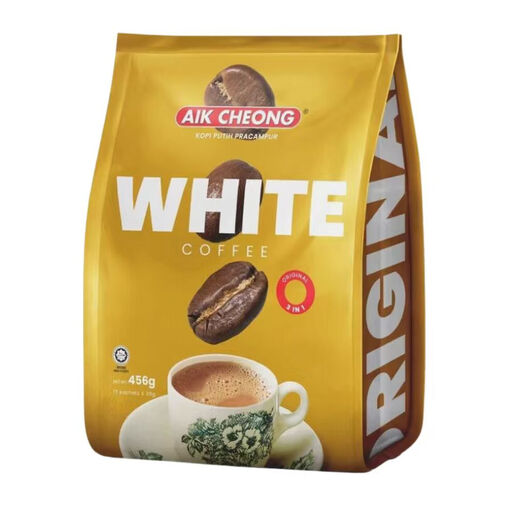
Why This Fits Their Persona: A 12-sachet Malaysian white coffee pack provides a straightforward way to explore creamy kopi putih at home or at work without buying a large multipack.
The product clearly states its 38g serving size, preparation volume and milk allergen, making it easier to compare with other 3-in-1 coffee mixes.
Made in Malaysia; sachets include instant white coffee, creamer and sugar for quick preparation.
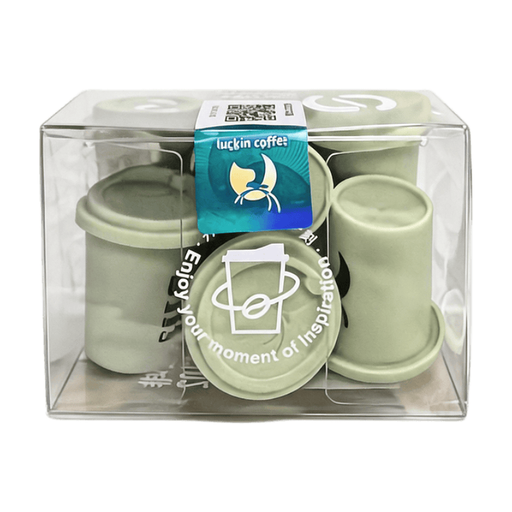
Why This Fits Their Persona: Suitable for coffee drinkers who want a flexible base for homemade lattes using dairy or plant-based milk.
It is a coffee powder rather than a pre-sweetened 3-in-1 drink, and the listed formulation contains 0g sugar and 0g fat per 100g.
Freeze-dried Arabica instant coffee; 18 individual 2g portions; suitable for hot or cold preparation.
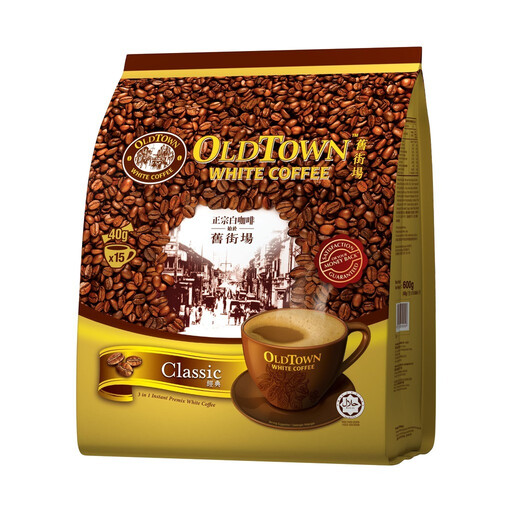
Why This Fits Their Persona: The 15-sachet pack works well for households, shared offices and regular drinkers who want a consistent Malaysian-style coffee routine.
The pack size and serving information are stated clearly, while the ingredient list identifies creamer, sugar, instant coffee, milk and soya.
Single-serve sachets; classic white coffee profile; suitable for home, office or travel.

Why This Fits Their Persona: A single 240ml can suits commuters, students and office workers who need a ready-to-drink coffee without access to a kettle.
The product is ready to drink, with a stated 240ml quantity and nutrition information per can, reducing confusion around serving size.
Contains brewed coffee and milk; no preparation required; can be served chilled or at room temperature.
We have compiled a complete, real-time list of products that fully satisfy these strict selection criteria and UK safety regulations.
If you prefer a sweet, aromatic cup, consider hazelnut or vanilla options such as Trung Nguyen Legend Cappuccino Hazelnut or POKKA Vanilla Coffee. For a familiar latte format, Starbucks Caramel Latte, Kenco Original Latte Sachets and Tassimo Costa Latte offer different preparation methods. Those who prefer café-style drinks without equipment may wish to compare POKKA Cappuccino, OKF Cappuccino and Suntory Boss Café au Lait.
For a more adjustable drink, Xiangyue Seein cappuccino or latte sachets separate the coffee, condensed milk and sugar. This can be useful when sharing with others who prefer different sweetness levels.
Yes, sachets are practical where hot water is available and require little storage space. Ready-to-drink cans are more convenient if there is no kettle, but check workplace refrigeration arrangements and consume opened drinks promptly.
Use the water volume on the packaging and stir until fully dissolved. Some products require boiling water, while others can be mixed with hot or cold water. Adding milk to a black instant coffee base can create a latte-style drink, but it changes the final nutrition and flavour.
Unopened products should be stored according to their packaging instructions. Many canned coffee drinks can be stored in a cool, dry place before opening, then refrigerated and consumed within 24 hours afterwards. Always check the label for the specific product.