
24/7 Customer Support

Free returns

Same-day & Next-day Delivery

Quality Guaranteed

Unlock Your Welcome Offers: FREE Delivery | Up to 80% OFF | Free 30-day JoyPlus trial
Download the APP
Asian coffee drinks cover a wide range of styles, from creamy Malaysian white coffee and Korean bottled coffee to Vietnamese flavoured sachets, canned café au lait and Nespresso-compatible coffee capsules. For UK shoppers, the main appeal is convenience and distinctive flavour. The challenge is knowing what you are actually buying before adding a multipack to your basket.
Words such as “cappuccino”, “latte” and “white coffee” describe the drink style, not necessarily its coffee strength. A 3-in-1 coffee sachet may contain a relatively small proportion of instant coffee alongside creamer, sugar and flavourings. By contrast, black instant coffee or an espresso capsule generally provides a more direct coffee flavour.
Check the ingredient order and, where available, the percentage of coffee. This is particularly useful when comparing Malaysian white coffee, Korean coffee and flavoured coffee.
A sachet can look small but still contain considerable sugar and energy once prepared. For example, the listed nutrition for Aik Cheong White Coffee 3in1 Creamy is 176 kcal and 18.2g of sugar per 38g sachet. Old Town 3 in 1 White Coffee Classic lists 154 kcal per serving, according to the supplied product information.
These drinks can suit shoppers looking for a creamy, sweet coffee break, but they are not interchangeable with plain instant coffee. Compare nutrition per serving, not just per 100g, and remember that adding milk or sugar changes the final drink.
Ready-to-drink coffee is convenient, but it is not as flexible as a sealed jar or sachet. Bottled cappuccino and canned coffee should be stored as directed, kept away from excessive heat and refrigerated after opening where the label requires it. Several supplied products advise consuming opened drinks within 24 hours.
Check the seal, can or bottle condition and best-before information before drinking. Do not use a swollen, leaking or damaged container.
Choose the format that matches your routine:
Read the full label rather than relying on front-of-pack flavour descriptions. Creamers may contain milk proteins even when they are described as non-dairy. The supplied Aik Cheong and Old Town products contain milk, while some products may also contain soya.
For a simpler black coffee, NESCAFÉ AZERA Decaf Americano contains decaffeinated soluble coffee and decaffeinated roast and ground coffee. If caffeine matters to your routine, look for a clear decaffeinated description and still check the packaging, as recipes can change.
Preparation instructions affect the result. Aik Cheong 2-in-1 White Coffee Sticks advises using around 200ml of hot water at 90°C, while Aik Cheong 3-in-1 suggests approximately 180–200ml. Using less water creates a denser, sweeter drink; more water produces a lighter cup.
For ready-to-drink options, chilling can make sweet or milky flavours feel more refreshing. For instant black coffee, adjust the powder gradually instead of assuming that a darker-looking drink will taste stronger.
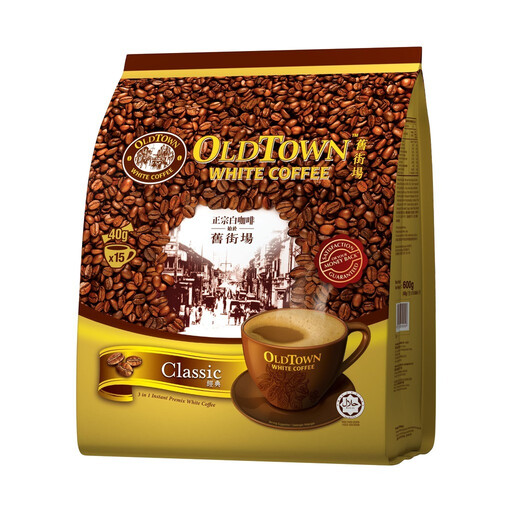
Why This Fits Their Persona: Fifteen individual sachets provide a straightforward way to try Malaysian white coffee at home, in an office cupboard or while travelling around the UK.
The listed ingredients and nutrition make its creamer, sugar and coffee content visible before purchase, reducing guesswork about what a “white coffee” sachet contains.
Single-serve format; preparation requires only hot water and stirring.
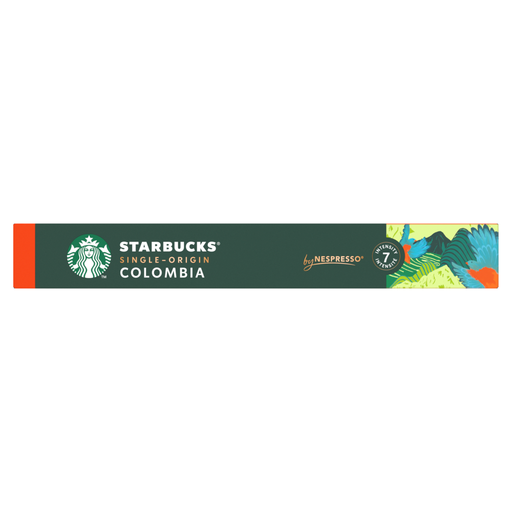
Why This Fits Their Persona: A capsule option for UK households with a compatible machine and a preference for measured espresso preparation.
The listing specifies 100% Arabica coffee, Colombian origin, medium roast and intensity 7, giving shoppers clearer information than vague “rich” wording.
100% Arabica coffee; aluminium capsules listed as compatible with Nespresso systems.
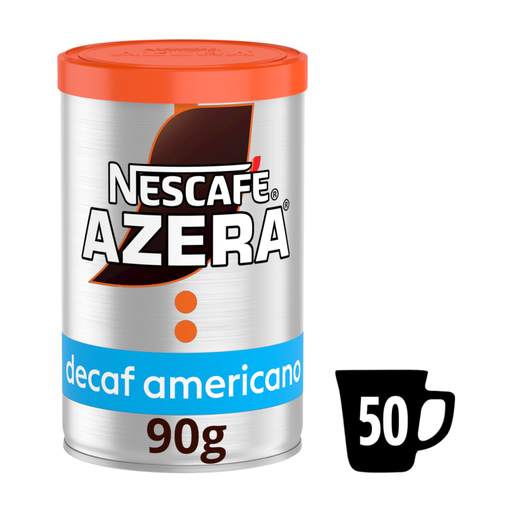
Why This Fits Their Persona: A practical choice for anyone wanting an instant black coffee option without choosing a standard caffeinated blend.
Its decaf designation is explicit, while the ingredient list identifies decaffeinated soluble and roast-and-ground coffee.
Instant preparation; no listed allergens in the supplied product information.
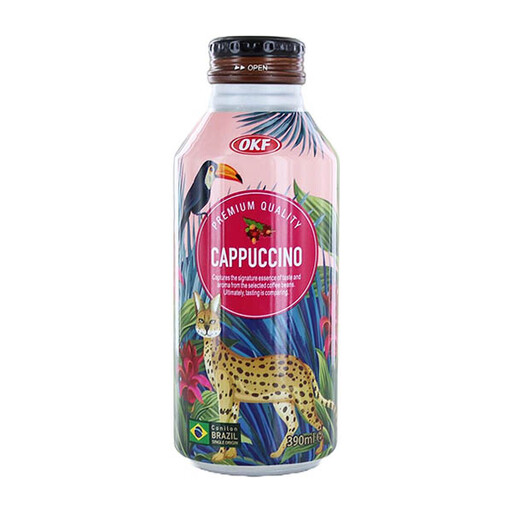
Why This Fits Their Persona: The 390ml bottle suits commuters, office breaks and chilled coffee moments when there is no kettle or coffee machine nearby.
The listed serving nutrition is approximately 150–200 kcal with 15–25g sugar, so the sweetness is easier to factor into a drink choice.
Ready to drink; can be enjoyed chilled or at room temperature.
For a sweet canned coffee, POKKA Coffee Drink Vanilla offers a 240ml serving with brewed coffee, milk and vanilla flavouring. Suntory Boss Cafe au Lait provides a smaller 185g can with coffee and milk notes. Those wanting a Korean coffee drink can consider OKF Sweet Black Coffee, a 390ml South Korean bottled drink with cane sugar and coffee extract.
For Malaysian flavours, Aik Cheong 2-in-1 White Coffee Sticks provide coffee and creamer without separately added sugar in the listed ingredients, while Old Town Hazelnut combines white coffee with a nutty flavour. Vietnamese coffee fans may prefer Trung Nguyen Legend Cappuccino Hazelnut, supplied in single-serve sachets and prepared with a smaller 70–75ml volume.
If you want a plain base for custom drinks, Luckin Genki Ball instant coffee uses freeze-dried Arabica coffee and can be mixed with hot or cold water, milk or plant-based milk. The product information lists zero sugar and zero fat.
We have compiled a complete, real-time list of products that fully satisfy these strict selection criteria and UK safety regulations.
Many 3-in-1 coffee sachets and bottled coffee drinks contain sugar, creamer or both. Malaysian white coffee is commonly creamy and sweet, while black bottled coffee and plain instant coffee may offer a less milky profile. Always check the nutrition panel and serving size.
Decaf is made to contain substantially less caffeine than standard coffee, but it is not necessarily completely caffeine-free. Check the product label if caffeine intake is important to you. NESCAFÉ Azera Decaf Americano is prepared like instant coffee with hot water.
Follow the packaging instructions. Store unopened bottles and cans in a cool, dry place unless the label specifies refrigeration. Once opened, refrigerate where instructed and consume within the stated period, commonly 24 hours. Do not drink from damaged or swollen packaging.