
24/7 Customer Support

Free returns

Same-day & Next-day Delivery

Quality Guaranteed

Unlock Your Welcome Offers: FREE Delivery | Up to 80% OFF | Free 30-day JoyPlus trial
Download the APP
Buying Asian cooking flour and starch in the UK can be confusing. Labels such as “rice flour”, “glutinous flour” and “tapioca flour” may look interchangeable, but each produces a different texture and behaves differently when heated. Choosing the wrong one can leave mochi too firm, sauces lumpy or gluten-free bakes crumbly.
Before adding a product to your basket, look beyond attractive packaging and broad claims. The ingredient list, intended use and storage guidance provide more useful buying information.
In glutinous rice flour, “glutinous” describes the sticky, chewy texture produced when the flour is cooked. It does not mean the product contains wheat gluten. Many glutinous rice flours are made from 100% glutinous rice and are naturally gluten-free.
However, shoppers with coeliac disease should still check the full allergen statement and packaging. The risk may come from manufacturing or from other ingredients used in the recipe, rather than from the rice itself.
Rice flour, tapioca flour, cassava starch and cornflour are not identical:
Powders absorb moisture easily. A damp cupboard can cause clumping, stale odours or insect infestation, particularly when a catering-size pack is opened slowly. Check the net quantity against your likely usage, then store the flour in a cool, dry place with the packaging tightly sealed or transferred to an airtight container.
For a specific recipe, a short ingredient list is often easier to assess. Products made from 100% glutinous rice, 100% rice, 100% tapioca starch or 100% cornflour have a more predictable role than multi-ingredient blends.
A gluten-free flour blend may be more convenient for cakes and everyday baking. For example, a plain white gluten-free blend can contain rice, potato, tapioca, maize and buckwheat. A self-raising blend may also include raising agents and xanthan gum, so it is not a direct substitute for plain flour in every recipe.
Fine, water-milled flour is suited to recipes where a smooth dough or delicate crumb matters. This is particularly relevant when buying mochi flour, flour for rice cakes or flour for filled rice dumplings.
Starches behave differently from whole-grain flours. Tapioca starch can provide a glossy finish and chewy bite, while cornflour is more suited to a smooth, opaque thickening effect. Always follow the recipe’s method, including whether the powder should first be mixed with cold water.
Look for a clear ingredients list and allergen declaration. Many rice and tapioca products are naturally gluten-free, while buckwheat is gluten-free but still listed as a cereal allergen in some product information. Gluten-free baking also requires clean utensils, surfaces and storage containers to reduce cross-contact with wheat flour.
Raw flour and starch should not be eaten directly. Products described as cooking ingredients must be thoroughly cooked or baked according to the recipe.
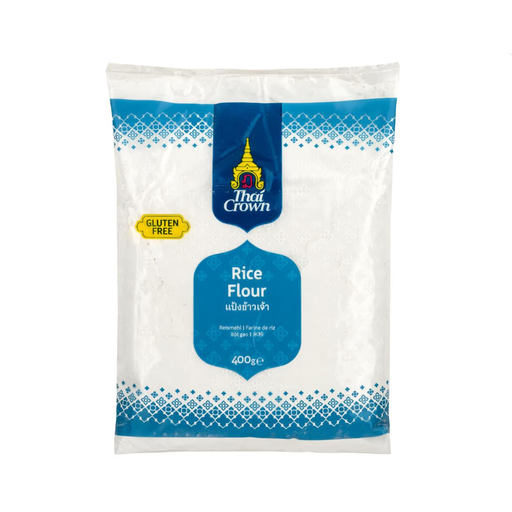
Why This Fits Their Persona: A single-ingredient 400g pack is a practical starting point for home cooks exploring rice cakes, batters and Asian baking ingredients without committing to a large catering quantity.
The ingredient is listed as rice flour 100%, making it easier to distinguish from glutinous rice flour or a blended gluten-free flour.
400g quantity; product of Thailand; neutral rice-based ingredient for sweet and savoury recipes.
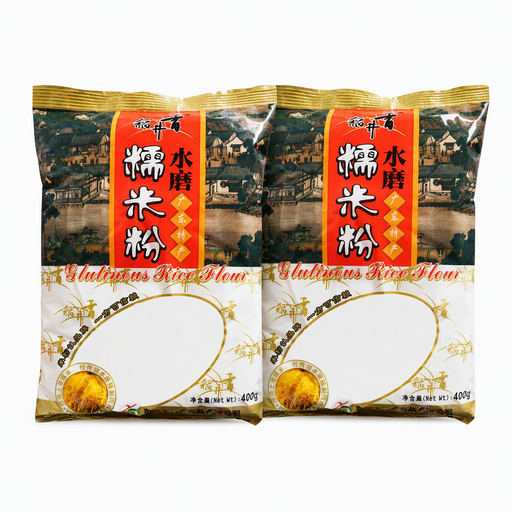
Why This Fits Their Persona: Suitable for bakers who regularly make mochi, rice pudding, rice cakes or other desserts where a smooth flour texture is important.
The stated water-milling method and two 400g packs offer useful information about texture and storage planning, rather than relying only on broad quality language.
Ingredients listed as glutinous rice and water; 800g total quantity; designed for desserts and thickening.
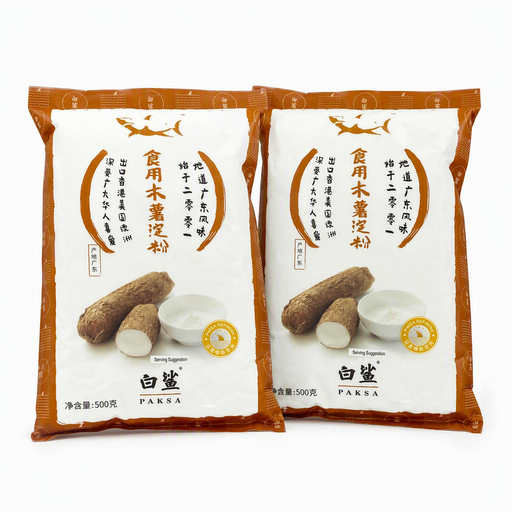
Why This Fits Their Persona: A two-pack suits frequent cooks, catering customers and households preparing sauces, dumplings, desserts or gluten-free recipes regularly.
It is clearly identified as cassava starch, helping prevent the common mistake of substituting it for rice flour in recipes that need a rice flavour.
1kg total quantity; fine cassava starch; suitable for thickening, binding, pastries and desserts.
For cakes, scones and muffins, a prepared gluten-free flour blend can be more convenient than combining individual rice flour, tapioca flour and buckwheat flour. Freee By Doves Farm Free From Gluten Plain White Flour contains rice, potato, tapioca, maize and buckwheat. Its self-raising version also includes raising agents and xanthan gum.
For coeliac households, verify the pack’s current allergen information and keep gluten-free ingredients separate from wheat flour. For a wider selection, browse the gluten-free flour range.
We have compiled a complete, real-time list of products that fully satisfy these strict selection criteria and UK safety regulations.
Yes. Glutinous rice flour is used for chewy desserts such as mochi, tangyuan and many types of sticky rice cake. It must be cooked according to the recipe and should not be consumed raw.
For most UK cooking purposes, the terms refer to starch extracted from cassava. Check the ingredients and recipe instructions, as different brands may use either name on the packaging.
Keep unopened and opened products in a cool, dry place away from sunlight and humidity. Reseal the original bag or use an airtight container. Always follow the best-before information printed on the packaging and discard any product with an unusual odour or visible signs of moisture or infestation.