
24/7 Customer Support

Free returns

Same-day & Next-day Delivery

Quality Guaranteed

Unlock Your Welcome Offers: FREE Delivery | Up to 80% OFF | Free 30-day JoyPlus trial
Download the APP
Bringing the vibrant, complex flavours of Southeast Asia into your UK kitchen can be incredibly rewarding. However, navigating the world of Asian cooking ingredients online can often lead to disappointment. Many home cooks find their finished dishes lack the authentic punch they were hoping for, or they end up with a pantry full of half-used jars.
As the Joybuy Product Recommendation Officer, my role is to help you sidestep these common issues. We'll look at the frequent pitfalls when shopping for these ingredients and break down what really matters for achieving genuine flavour, ensuring you get value from every purchase.
Before you add anything to your basket, be aware of a few common traps that can lead to wasted money and lacklustre meals:
To avoid these issues, focus on a few key details that signal quality and authenticity. This will help you build a reliable collection of Asian pantry staples.
The country of origin is often a strong indicator of authenticity. An Indonesian kecap manis made in Indonesia is more likely to use traditional sun-dried palm sugar, giving it that characteristic thick, molasses-like sweetness, compared to a version made elsewhere that might use simple syrup. Similarly, for authentic Thai food products, look for those made in Thailand, as they are formulated for the local palate. Always scan the ingredient list for traditional components versus modern shortcuts.
These formats serve different purposes and are not always interchangeable:
To help you choose, we've matched some reliable products to different types of home cooks.
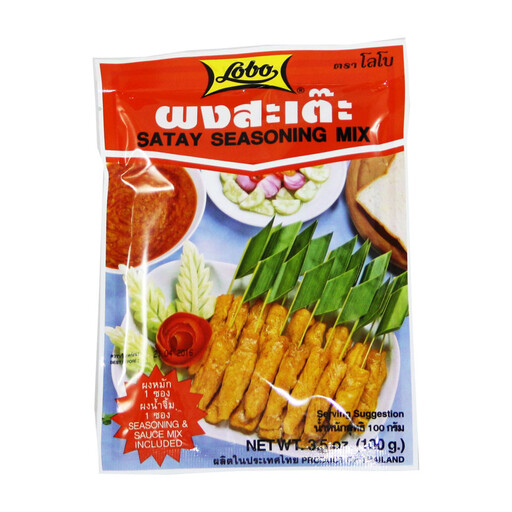
Why This Fits Their Persona: Perfect for someone new to Southeast Asian cooking who wants to make a recognisable dish like satay without the intimidation. It provides a complete flavour base, removing the guesswork.
This mix sidesteps the "bulk-buy blunder." It's a pre-portioned powder for a specific meal, ensuring no ingredients go to waste.
Delivers a consistent and authentic nutty, spiced flavour for satay sauce or marinade with minimal effort. It's a convenient, low-risk entry point.
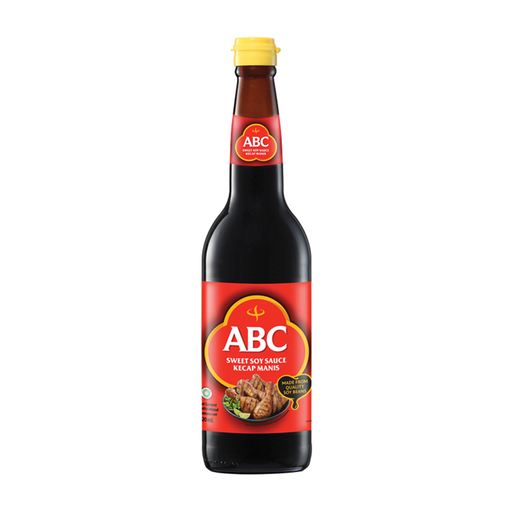
Why This Fits Their Persona: This cook wants to build a proper pantry to make dishes like Nasi Goreng or satay marinades from scratch. Kecap Manis is a non-negotiable cornerstone of Indonesian and Malaysian cooking.
This is a genuine Indonesian product, avoiding the "authentic-style" trap. Its formulation with palm sugar provides the true thick, sweet and savoury flavour that Westernised versions lack.
It's a highly versatile pantry staple. Use it as a glaze, in stir-fries, or as a dipping sauce. Its rich, complex sweetness is essential for a wide range of dishes.
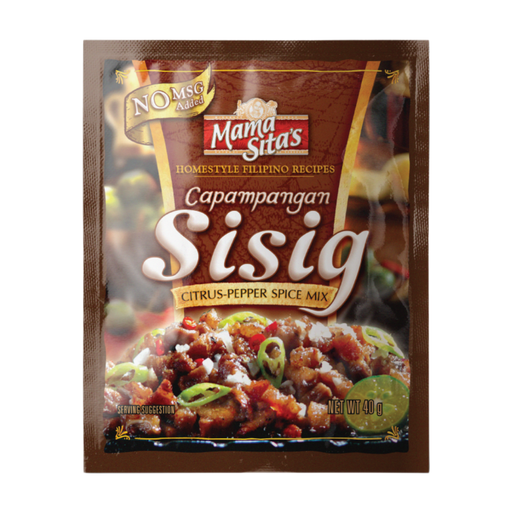
Why This Fits Their Persona: For the home cook, particularly Filipino expatriates, looking to recreate the very specific, beloved flavour of sizzling sisig. This mix is designed for that one iconic dish.
This product is the definition of authentic. From a leading Filipino brand, it provides the exact citrus-and-pepper flavour base that is difficult to replicate and avoids generic "pork seasoning" pitfalls.
It's a convenient shortcut to an authentic, complex flavour profile. It captures the signature tangy and peppery notes of Kapampangan sisig perfectly.
We have compiled a complete, real-time list of products that fully satisfy these strict selection criteria and UK safety regulations.
1. How long do Asian cooking pastes and sauces last once opened? It varies, so always check the packaging. As a general rule, fermented products like fish sauce and soy sauce are quite stable and can last for many months at room temperature. Chilli pastes like Malaysian sambal and curry pastes should be refrigerated after opening, with the oil on top acting as a natural preservative. Use a clean spoon for each use to prolong their life, which is typically a few weeks to a couple of months.
2. Can I substitute one type of chilli paste for another? While you can, it will change the dish's character. For example, Sambal Oelek is a raw, sharp chilli paste with a fresh heat. Sriracha is fermented and contains garlic and sugar, giving it a tangier, slightly sweeter profile. Gochujang (Korean) is fermented with soybeans and is deeply savoury and sweet. Substituting is fine for adding general heat, but for an authentic regional flavour, it's worth using the specific paste a recipe calls for.
3. What are the three most essential Asian pantry staples for a beginner? If you're just starting to build your Asian food store online shopping list, a solid foundation would include: