
24/7 Customer Support

Free returns

Same-day & Next-day Delivery

Quality Guaranteed

Unlock Your Welcome Offers: FREE Delivery | Up to 80% OFF | Free 30-day JoyPlus trial
Download the APP
Asian cooking oils and chilli oils can transform noodles, dumplings, stir-fries and rice dishes with just a small spoonful. However, choosing between sesame oil, Japanese chilli oil, Sichuan chilli oil, peanut oil and onion oil is not simply a matter of selecting the most attractive label.
Some bottles are finishing oils rather than everyday cooking oils, while ready-to-use condiments may contain sesame, soya, peanuts, wheat or added salt. The right choice depends on flavour, cooking temperature, intended portion size and storage requirements.
Pure sesame oil and Sichuan pepper oil are generally used to finish dishes, add to sauces or season cold food. They are not automatically suitable as your only frying oil. A product labelled for drizzling, noodles or dipping may lose its intended aroma if exposed to prolonged high heat.
For regular stir-frying, check the usage instructions. Peanut oil, for example, is specifically described as suitable for frying, stir-frying and daily cooking. Chilli condiments are usually more useful as a finishing sauce or flavour base.
Japanese chilli oil can be relatively gentle and aromatic, while Sichuan chilli oil or mala chilli oil may bring both heat and a numbing pepper sensation. Crispy chilli oil may focus more on texture, garlic or onion than intense heat.
The ingredient list gives a clearer indication than the product name. Look for the stated chilli percentage, Sichuan peppercorns, garlic, fried onion, peanuts and sesame. For example, Cui Hong Fragrant Spicy Red Chilli Oil lists 11.34% chillies, while Chuan Wa Zi Chilli Oil Sauce lists at least 15% chilli.
Many Asian cooking condiments contain sesame, soya, peanuts or wheat. This is particularly important when buying a mixed chilli oil for a household with allergies or when serving food to customers.
Always check the current packaging. Several products recommend refrigeration after opening, including some sesame oils and crispy chilli oils. A large bottle may appear economical, but a smaller jar can be more practical if you only use a spoonful at a time.
A pure sesame oil should list sesame oil or sesame seeds as the sole oil ingredient. Chu Bang Fragrant Pure Sesame Oil lists sesame oil at 100%, giving it a direct roasted sesame profile for cold dishes, dipping and finishing stir-fries.
A blended sesame oil may combine sesame oil with another vegetable oil. LEE KUM KEE Blended Sesame Oil lists sesame oil, soybean oil and sesame seeds. This can provide a pronounced nutty aroma in a larger 410ml bottle, but it is different from a single-ingredient sesame oil.
For everyday cooking, consider the primary oil listed. Peanut oil can suit frying and stir-frying, whereas fragrant oils such as Sichuan pepper oil are better added near the end of cooking.
Choose according to the dish you make most often:
Cooking oils are energy-dense, with the supplied sesame and peanut oils listing roughly 883–900 kcal per 100ml. This is normal for oil, but portion control still matters.
A 900ml bottle of peanut oil may suit frequent frying or a catering kitchen. An 80ml Sichuan pepper oil is more suitable for occasional use, trial cooking or keeping a concentrated flavouring oil in a small cupboard. Also check salt levels in prepared condiments: Lao Gan Ma Preserved Black Bean in Chilli Oil lists 8.0g salt per 100g, so it is best used in modest quantities alongside other seasoned ingredients.
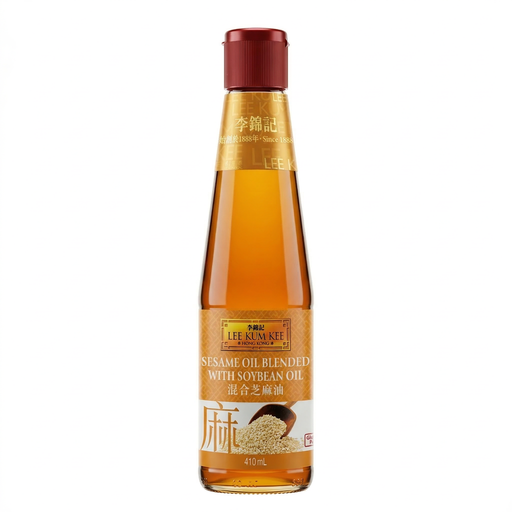
Why This Fits Their Persona: A practical starting point for UK cooks who want one aromatic bottle for marinades, noodles, garnishing and everyday seasoning.
The label identifies it as a blend, so shoppers are not left guessing whether it is pure sesame oil.
410ml format; ready to use for seasoning, marinating and drizzling.

Why This Fits Their Persona: Suits cooks who prioritise a single-ingredient sesame oil and use it mainly as a finishing touch.
The ingredient list states sesame oil at 100%, avoiding confusion between pure and blended products.
150ml glass bottle; suitable for cold dishes, dipping and final drizzling.
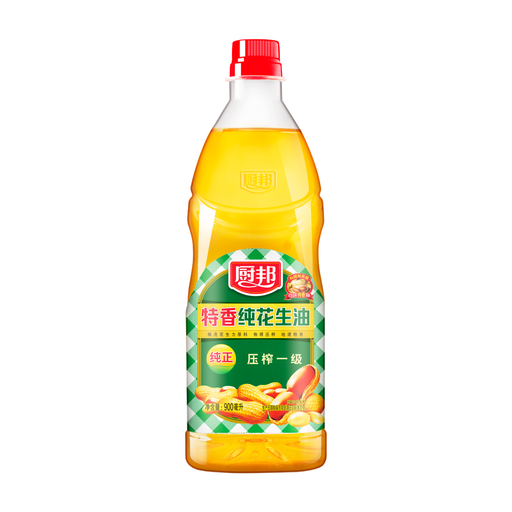
Why This Fits Their Persona: A larger format for frequent stir-frying, frying and daily cooking in busy home or catering kitchens.
It is clearly listed as 100% peanut oil and intended for cooking, rather than being marketed only as a finishing condiment.
900ml quantity; suitable for frying, stir-frying and daily use.
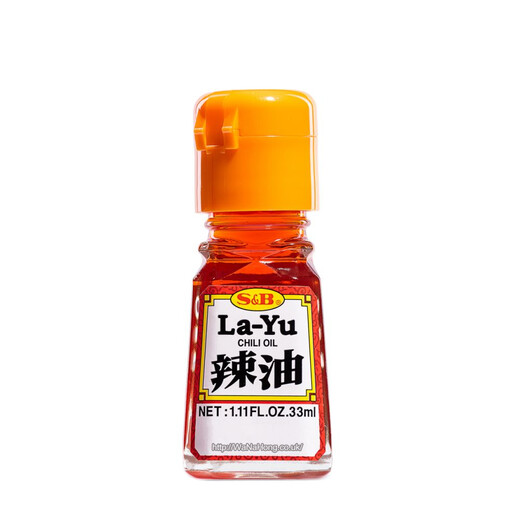
Why This Fits Their Persona: A compact choice for ramen, gyoza, dipping sauces and Japanese-style table seasoning where a small bottle is sufficient.
The 33ml size reduces the risk of keeping an opened bottle for too long when usage is occasional.
Sesame oil is the main listed ingredient; suitable for controlled, aromatic seasoning.
We have compiled a complete, real-time list of products that fully satisfy these strict selection criteria and UK safety regulations.
It depends on the product and intended use. Pure and blended sesame oils are commonly used for seasoning, marinades and finishing. For frequent frying, choose an oil whose instructions specifically mention frying or stir-frying, such as peanut oil, and use sesame oil to finish the dish.
Follow the storage instructions and the best-before information on the packaging. Some products recommend refrigeration after opening and consumption within one month, while others advise keeping the container sealed in a cool, dry place. Always use the product label as the final reference.
Japanese chilli oil can suit gyoza and lighter dipping sauces. Sichuan chilli oil, crispy chilli oil and mala chilli oil are options for stronger chilli, garlic, sesame or pepper flavours. Check whether the product contains peanuts, sesame, soya or wheat before serving.