
24/7 Customer Support

Free returns

Same-day & Next-day Delivery

Quality Guaranteed

Unlock Your Welcome Offers: FREE Delivery | Up to 80% OFF | Free 30-day JoyPlus trial
Download the APP
Choosing Asian cooking oils for a UK kitchen is not simply a matter of picking the largest bottle or the most attractive label. Sesame oil, chilli oil, Sichuan pepper oil and peanut oil serve different purposes, and using the wrong type can leave a dish greasy, overly salty or lacking the intended aroma.
Whether you are preparing stir-fries in a wok, dressing noodles and dumplings or adding a finishing touch to soup, check the product details before buying.
A bottle labelled “sesame oil” may contain 100% sesame oil, or it may be a blend with soya bean or another vegetable oil. Neither is automatically unsuitable, but they offer different flavour intensity and value.
For example, a pure sesame oil is generally more appropriate when you want a clear toasted sesame aroma in a dressing or finishing drizzle. A blended sesame oil can be a practical choice for regular seasoning when you prefer a lighter flavour or a larger bottle.
Always read the ingredients rather than relying on front-of-pack wording. Pure sesame oil should list sesame oil or sesame seed oil as the sole ingredient.
Chilli oil can mean a relatively simple oil infused with chilli, a Sichuan-style condiment containing peppercorns and aromatics or a chunky “eating oil” with fried garlic and onions. These products vary considerably in heat, texture, salt and allergen content.
A smooth Japanese chilli oil may suit ramen or gyoza dipping sauce, while crispy chilli oil adds texture to rice, noodles and tofu. A Sichuan-style oil may provide a numbing pepper sensation in addition to heat.
Sesame, peanuts, soya and wheat are common ingredients or cross-contact warnings in Asian seasoning oils. This matters particularly when buying chilli sauces containing fried garlic, soya paste, sesame or peanuts.
Check the ingredient list and allergen statement before purchase. After opening, follow the label’s storage instructions. Some products should be refrigerated and used within a specified period, while others can be kept sealed in a cool, dry cupboard.
For a focused sesame aroma, look for 100% sesame oil. Roasting levels also affect flavour: darker oils tend to have a more pronounced toasted character, while lighter oils may be less intense.
A Chinese sesame oil may be suited to dumpling dips, cold dishes and stir-fry finishing. Japanese sesame oil is commonly used in ramen, dressings and marinades. Always follow the actual ingredient and usage information rather than assuming origin alone determines flavour.
For chilli products, check whether the oil contains:
These details help you choose between a cooking oil, a finishing oil and a ready-to-eat condiment.
A 150ml bottle of sesame oil is sensible if you only use a teaspoon or drizzle at a time. Larger formats, such as 410ml or 1.65L, may suit frequent home cooks, caterers or professional kitchens, but only if the oil will be used before its recommended date and stored correctly.
Small bottles are also useful for trying a new flavour without committing to a large quantity. Chilli and Sichuan pepper oils can be especially intense, so dosage matters.
Not every aromatic cooking oil should be used as the main frying medium. Strongly flavoured sesame, chilli and pepper oils are often added towards the end of cooking to preserve their aroma.
For high-temperature stir-fries, check the usage instructions. A neutral or suitable cooking oil can handle the main frying, followed by sesame oil, chilli oil or Sichuan pepper oil as a finishing layer. Peanut oil is listed for frying and stir-frying in the product information supplied, making it a practical option for cooks who want a subtle nutty note in everyday dishes.

Why This Fits Their Persona: A compact bottle for UK shoppers trying sesame oil in dressings, dipping sauces and home-cooked stir-fries without buying a large quantity.
The ingredient list states sesame oil at 100%, so it is not a soya bean-and-sesame blend.
150ml glass bottle; listed for cold dishes, dipping and finishing stir-fries.
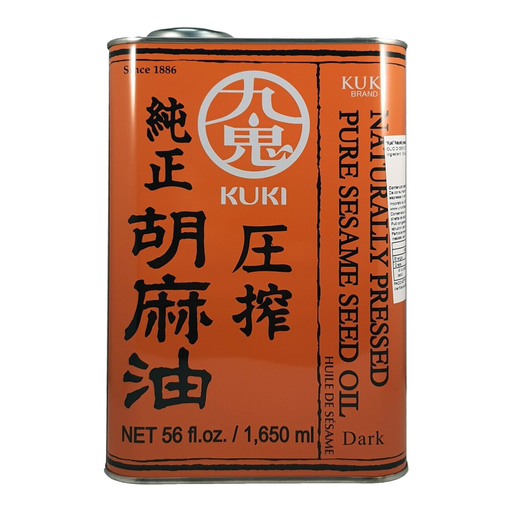
Why This Fits Their Persona: A large-format Japanese sesame oil for frequent users who regularly prepare ramen, marinades, salads and stir-fries.
The product information specifies sesame seed oil at 100%, rather than a mixed oil base.
1.65L quantity; described as a dark, aromatic oil for cooking and finishing.
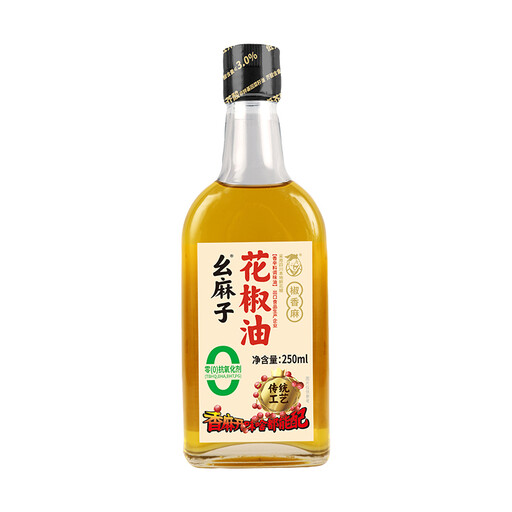
Why This Fits Their Persona: Designed for cooks who specifically want Sichuan pepper aroma in hot pot, barbecue, noodles, cold dishes and stir-fries.
Its ingredients identify rapeseed oil and Sichuan pepper, avoiding an unclear multi-seasoning formula.
250ml glass bottle; instructions recommend adding it at the end of cooking.
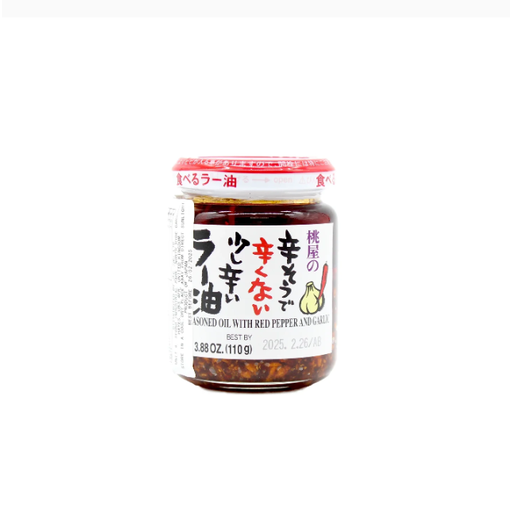
Why This Fits Their Persona: Suitable for shoppers seeking a Japanese eating oil with crispy ingredients for rice, ramen, dumplings and grilled food.
The ingredients clearly show fried garlic at 15% and chilli pepper at 4.5%, making its texture and heat easier to anticipate.
Ready to use; includes sesame, soya and wheat allergens that are clearly listed.
We have compiled a complete, real-time list of products that fully satisfy these strict selection criteria and UK safety regulations.
Use aromatic oils strategically rather than pouring them into the pan at the start. Add sesame oil to noodles, dumpling sauces, soups or stir-fries shortly before serving. Use chilli oil as a drizzle, marinade ingredient or dipping sauce base. For a stronger Sichuan profile, add Sichuan pepper oil at the finishing stage.
Store every bottle according to its label, keep the cap clean and sealed, and use a clean spoon for chunky products. This helps preserve flavour and reduces avoidable waste.
Yes, but its role depends on the product and heat level. Many sesame oils are used as a seasoning or finishing oil. For high-heat cooking, check the product instructions and consider using a suitable frying oil first, then adding sesame oil towards the end.
Chilli oil is usually an oil infused with chilli or chilli paste. Crispy chilli oil also contains solid ingredients such as fried garlic, onion, seeds or chilli pieces, giving the dish additional texture. Read the ingredients and heat information to compare products accurately.
There is no single lifespan for every product. Follow the packaging, particularly for oils containing garlic, onion or other solids. Refrigeration may be required after opening, and some products recommend consumption within one month. A smaller bottle can be more economical if you use aromatic oils occasionally.