
24/7 Customer Support

Free returns

Same-day & Next-day Delivery

Quality Guaranteed

Unlock Your Welcome Offers: FREE Delivery | Up to 80% OFF | Free 30-day JoyPlus trial
Download the APP
Navigating the world of Asian cooking pastes can feel overwhelming. You have a recipe for an authentic Mapo Tofu or a Korean BBQ, but the supermarket aisle presents a wall of jars with unfamiliar names. Choosing the wrong one can lead to a dish that tastes nothing like you intended. As the Joybuy Product Recommendation Officer, my role is to help you sidestep common purchasing mistakes and find the right ingredients to bring those vibrant, authentic flavours to your UK kitchen.
Many home cooks fall into a few common traps. Firstly, there's the belief in a "one-size-fits-all" stir-fry sauce. Using a generic sauce for a dish that requires a specific fermented soybean paste will result in a flat, inauthentic flavour. Secondly, many are caught out by the intensity of these pastes. A chilli bean paste from Sichuan is vastly different from a sweet Korean gochujang, and using them interchangeably can ruin a meal. Finally, hidden ingredients are a frequent issue; many pastes contain allergens like shrimp or gluten, making a careful label check essential.
To avoid these pitfalls, focus on a few core parameters. Understanding these will empower you to select the perfect paste for any recipe, whether it's from a cookbook or a family tradition.
The primary ingredient dictates the entire flavour profile. Asian pastes generally fall into three categories:
Fermentation is the magic that creates the deep, savoury character known as umami paste. The process and duration significantly impact the final product.
Modern pantries have diverse needs. Whether you follow a vegan diet or have a gluten intolerance, there are excellent options available if you know what to look for.
To help you start, we've matched a few standout cooking sauces UK home cooks will appreciate with different culinary goals.
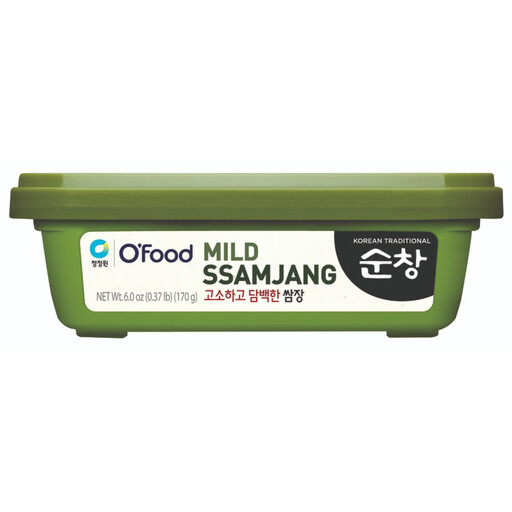
Why This Fits Their Persona: Perfect for anyone hosting a Korean BBQ night or wanting a simple, flavourful dip. This ssamjang is a ready-to-use blend of soybean paste, chilli and seasonings, offering a gentle introduction to Korean flavours without overwhelming heat.
It's clearly labelled "Mild" and is designed as a dipping sauce, preventing the mistake of using a highly concentrated cooking paste raw and finding it too salty or intense.
Ready to use straight from the tub for lettuce wraps and grilled meats. The 170g size is ideal for trying it out without committing to a large jar.
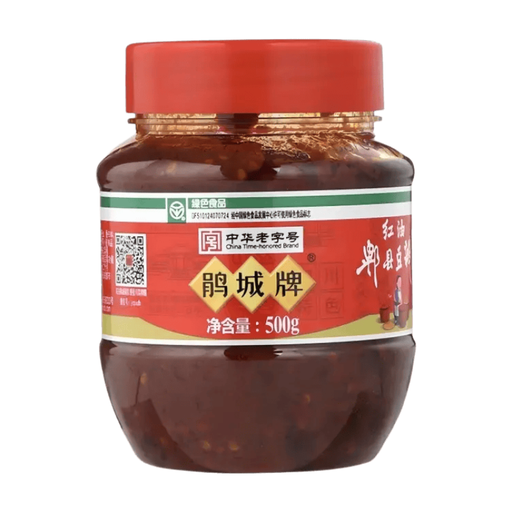
Why This Fits Their Persona: For the cook determined to replicate the true flavour of Sichuan dishes like Mapo Tofu or Twice-Cooked Pork. This is the quintessential Pixian doubanjiang, a specific type of chilli bean paste that is non-negotiable for authentic results.
This is not a generic chilli sauce. Its base of fermented broad beans provides a deep, savoury saltiness that generic sauces lack, avoiding the "one-dimensional heat" pitfall.
Its bright red oil and rich sauce aroma are signs of a quality paste. The brand is noted for its connection to intangible cultural heritage, suggesting a traditional production method.
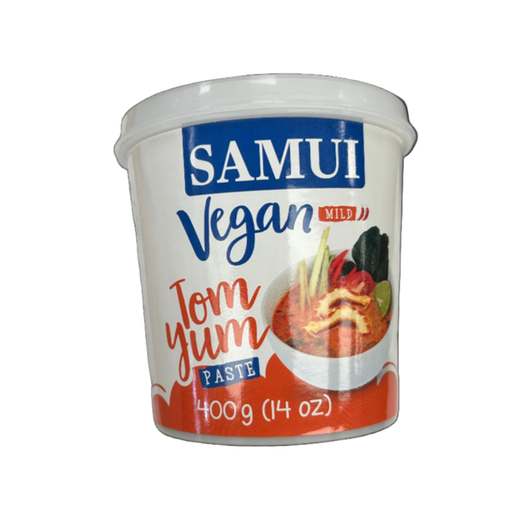
Why This Fits Their Persona: Ideal for health-conscious cooks or those on a plant-based diet who don't want to compromise on the authentic hot and sour flavour of a classic Thai soup.
It directly solves the "hidden ingredients" problem. Many standard Tom Yum pastes contain shrimp paste, but this one is explicitly vegan, ensuring no unwanted surprises.
Achieves the classic flavour profile using a balanced blend of lemongrass, galangal, kaffir lime and chilli. It's versatile enough for soups, stir-fries and marinades.
We have compiled a complete, real-time list of products that fully satisfy these strict selection criteria and UK safety regulations.
Most fermented pastes are naturally preserved by their high salt content. Once opened, they should be stored in the refrigerator with the lid tightly sealed. They can last for several months up to a year. You may notice the colour darkening over time—this is usually due to oxidation and is normal. However, always check the packaging for specific storage advice.
It depends on the paste. Dipping sauces like ssamjang are designed to be eaten straight from the jar. However, many cooking pastes, such as doubanjiang or a thick fermented soybean paste, benefit from being fried gently in oil at the beginning of the cooking process. This step, often called "blooming," releases their full aromatic potential and is crucial for building a deep flavour base.
For the most authentic flavour, it is not recommended. Each paste has a unique profile. For example, substituting Korean gochujang for Chinese chilli bean paste will create a very different dish. Gochujang has a distinct sweetness from rice and a complex fermented depth, whereas doubanjiang is primarily salty and savoury. Using the specific paste a recipe calls for is the surest way to achieve the intended taste.