
24/7 Customer Support

Free returns

Same-day & Next-day Delivery

Quality Guaranteed

Unlock Your Welcome Offers: FREE Delivery | Up to 80% OFF | Free 30-day JoyPlus trial
Download the APP
As a Joybuy Product Recommendation Officer, I often see home cooks in the UK invest in what they believe are authentic ingredients, only to be let down by the results. The world of Asian cooking pastes is vast and complex, and navigating the supermarket aisle can be confusing. A vibrant label promising "Sichuan flavour" doesn't always translate to the fiery, numbing depth you remember from your favourite restaurant.
Getting it wrong often means a dish that tastes flat, overly salty or simply generic. Before you spend another pound on a jar that gathers dust in the fridge, let's look at the common pitfalls and how to choose the right paste for the authentic flavours you're seeking.
The "All-Purpose" Stir-Fry Paste Illusion: Many pastes are marketed as a one-stop solution for any "Asian-style" meal. These are often formulated for a broad Western palate, meaning they are high in sugar and salt but lack the specific, fermented character of traditional pastes. A genuine paste for mapo tofu requires the deep, savoury heat of a proper chilli bean paste, not a generic, sweet Chinese stir fry paste.
Ignoring the Fermentation Base: The soul of most of these pastes comes from fermentation. However, the base ingredient is critical. A paste made from soybeans (Doenjang) has a completely different flavour profile from one made with broad beans (Doubanjiang). Choosing the wrong one is like trying to make a classic beef stew with lamb – the result will be edible, but it won't be what you intended.
To avoid disappointment, focus on what's inside the jar rather than the marketing on the front. Here are two non-negotiable factors to check.
The foundation of the paste dictates its primary flavour profile and use. Understanding this is the first step to authenticity.
Doenjang and Chinese soybean pastes. They provide a deep, savoury and salty umami foundation. They are essential for stews like Korean Doenjang-jjigae and form the base for other blended pastes like Ssamjang. Cantonese Chu Hou paste also uses fermented soybeans but blends them with garlic and other spices for a flavour profile ideal for braising.Sichuan paste delivers a pungent, savoury and lasting heat that is essential for dishes like Mapo Tofu and Twice-Cooked Pork. The quality is often determined by the fermentation time.Ssamjang is a popular Korean BBQ sauce that blends Doenjang (soybean paste), Gochujang (chilli paste), garlic and sesame oil. It's designed as a ready-to-use dip or condiment, not a cooking base.Not all pastes are used in the same way. Using them incorrectly is a common reason for failure.
Doubanjiang and Chu Hou paste must be cooked to unlock their flavour. Typically, they are bloomed in hot oil at the start of the cooking process. This step releases their aromatic compounds and deepens their colour, forming the flavour base of the entire dish.Korean cooking paste like Ssamjang is a perfect example. It is a balanced, seasoned sauce intended to be served alongside grilled meats and lettuce wraps. It can be eaten raw and does not require cooking. Using it as a stir-fry base would burn the sugars and create a muted flavour.Based on these principles, here are some recommendations matched to specific culinary goals.

Why This Fits Their Persona: For the home cook dedicated to recreating authentic Sichuan dishes like Mapo Tofu or Twice-Cooked Pork, this is the foundational ingredient. It provides the specific, complex heat and savoury depth that defines the cuisine.
This is not a generic "chilli sauce." It is a premium grade Pixian Broad Bean Paste, made with broad beans and chillies through traditional fermentation, avoiding the flat, one-dimensional flavour of all-purpose pastes.
Its core advantage is authenticity. The traditional fermentation process creates a deep, savoury flavour that must be bloomed in oil to release its full potential, forming the true base for Sichuan cooking.
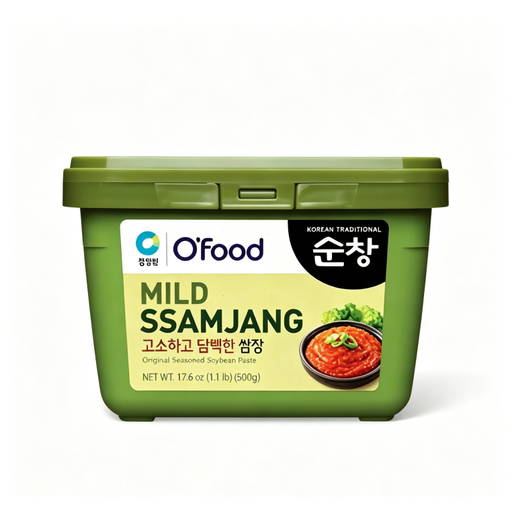
Why This Fits Their Persona: Perfect for anyone hosting a Korean BBQ night or simply loves adding a dollop of flavour to wraps and grilled vegetables. This is the quintessential, ready-to-use Korean BBQ sauce.
This product is correctly positioned as a seasoned dipping paste (Ssamjang), not a cooking base. It avoids the pitfall of using the wrong type of paste by being specifically formulated for finishing and serving raw.
It offers convenience without sacrificing flavour. The blend of fermented soybean paste, red pepper seasoning, and other ingredients provides a balanced, savoury and slightly sweet taste straight out of the tub.
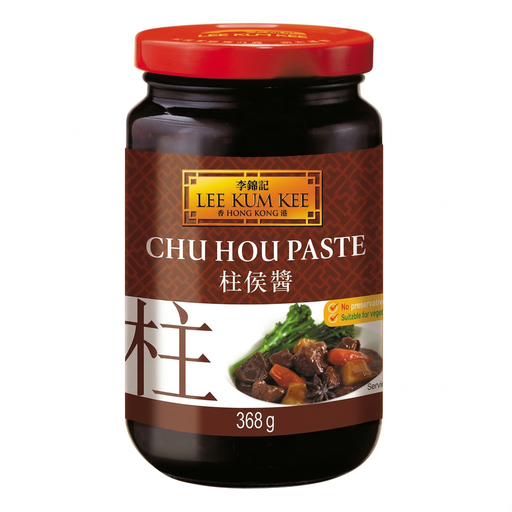
Why This Fits Their Persona: Ideal for those looking to master classic Cantonese slow-cooked dishes like braised beef brisket or pork ribs. This paste provides the specific savoury, slightly sweet and aromatic profile unique to this style of cooking.
This is a specialised Chu Hou paste, not a generic soybean paste. It avoids the trap of using a one-note salty paste by incorporating a complex blend of fermented soybeans, garlic, ginger and sesame for a rich, layered flavour.
Its key advantage is its formulation for braising. It is designed to be added during slow cooking, infusing meat and vegetables with a deep, savoury flavour and rich colour that develops over time.
We have compiled a complete, real-time list of products that fully satisfy these strict selection criteria and UK safety regulations.
Most fermented pastes are preserved with a high salt content, giving them a long shelf life. Once opened, they should be sealed tightly and stored in the refrigerator. In these conditions, many can last from several months up to a year. You may notice the colour darkening over time, which is often a normal part of the oxidation process. Always refer to the storage instructions on the packaging for specific guidance.
No, their use varies significantly. Pastes intended as a cooking base, such as Pixian chilli bean paste (Doubanjiang), must be cooked, typically by stir-frying in oil over low heat to release their aroma and flavour. In contrast, condiments like Ssamjang are formulated to be used as a ready-to-eat dip or finishing sauce and do not require cooking.
For the most authentic results, it is not recommended. Each paste has a unique flavour profile derived from its specific ingredients and fermentation process. For example, a Korean fermented soybean paste (Doenjang) is earthier and more pungent than a Japanese Miso, while a Cantonese Chu Hou paste is savoury and aromatic in a way that is completely different from a spicy Sichuan paste. Using the correct paste is the most important step in recreating a specific regional dish.