
24/7 Customer Support

Free returns

Same-day & Next-day Delivery

Quality Guaranteed

Unlock Your Welcome Offers: FREE Delivery | Up to 80% OFF | Free 30-day JoyPlus trial
Download the APP
Exploring the vibrant world of Asian cuisine from your own kitchen is one of the great joys of home cooking. Yet, a walk down the supermarket aisle can be overwhelming. With countless bottles labelled as Asian cooking sauces, how do you know which ones will deliver that authentic restaurant taste and which are just sugary imitations?
As the Joybuy Product Recommendation Officer, my role is to help you navigate the options. Many home cooks in the UK find their homemade stir-fries or noodle dishes lack a certain depth. Often, the issue lies in a few common purchasing pitfalls. Before you stock your pantry, let's look at what to avoid.
To make informed choices, focus on a few key parameters. These are the non-negotiable factors that separate a quality condiment from a disappointing purchase.
The foundation of any great sauce is its core ingredients. When selecting an oyster sauce, check the ingredients for oyster extract. Some brands specify the percentage, which can be an indicator of a richer, more complex umami flavour. For Chinese cooking sauces like soy sauce, look for those made from traditionally fermented soybeans. For pastes like Korean gochujang, the presence of fermented soybean powder and rice contributes to its signature depth, which simple chilli powders cannot replicate.
A well-crafted sauce should offer a balance of sweet, salty, savoury and sometimes spicy or sour notes. Check the nutritional information for sugar and salt content. While essential for flavour and preservation, excessively high levels can indicate that they are being used to cover up for low-quality base ingredients. A sauce should enhance your food, not overpower it with salt or cloying sweetness.
Decide on the sauce's purpose. Are you looking for a versatile workhorse for everyday cooking, or a specific flavour for a particular dish?
To help you start your collection, here are a few recommendations matched to different cooking styles and needs.

Why This Fits Their Persona: This is a kitchen staple for anyone needing to add instant, authentic umami to weeknight meals. It's a reliable, all-purpose sauce from Lee Kum Kee, a globally recognised brand, perfect for quick stir-fries, vegetable dishes and meat marinades without overcomplicating the pantry.
Instead of being a generic, sugary "stir-fry sauce," this is a foundational ingredient. Its flavour comes from real oyster extract, providing savoury depth rather than just sweetness.
Made with selected oyster extract for a rich flavour. Highly versatile for stir-frying, braising and marinating.
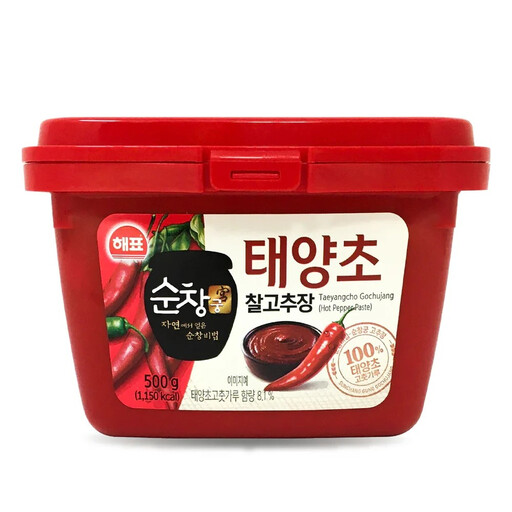
Why This Fits Their Persona: For the cook dedicated to mastering authentic Korean gochujang-based dishes like tteokbokki, bibimbap or spicy stews. This is not a simple sauce but a fundamental fermented paste, providing the unique, complex flavour that is the cornerstone of Korean cuisine.
This product sidesteps the regional confusion pitfall. It is a specific, traditional Korean ingredient, ensuring your dishes have the correct flavour profile that a generic "chilli sauce" could never replicate.
Made with red pepper seasoning, rice and fermented soybean for a deep, savoury and spicy flavour. Essential for a wide range of authentic Korean recipes.
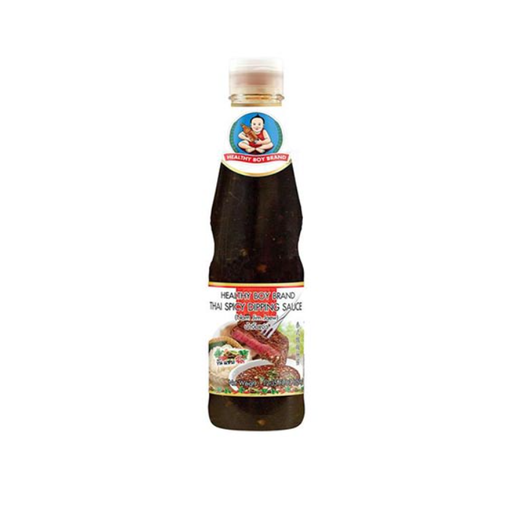
Why This Fits Their Persona: Ideal for those who love hosting or simply want a delicious, ready-to-use dip. This classic Thai sauce (Nam Jim Jaew) is perfect for grilled meats, spring rolls and seafood, offering a lively balance of sweet, sour and spicy flavours with minimal effort.
This sauce avoids the "all-in-one" trap by being an authentic, specific type of Thai dipping sauce. Its flavour profile is built on tamarind, chilli and vinegar, not just sugar and starch.
A classic Thai recipe with a well-balanced sweet, sour and spicy profile. Extremely versatile as a dip or marinade.
We have compiled a complete, real-time list of products that fully satisfy these strict selection criteria and UK safety regulations.
Light soy sauce (or regular soy sauce) is thinner, saltier, and used for general seasoning to add savoury, umami flavour without significantly darkening the dish. Dark soy sauce is aged longer with molasses or caramel, making it thicker, darker, and less salty but with a richer, slightly sweet flavour. It is primarily used for adding colour to dishes like braised meats and fried rice.
Most shelf-stable sauces like soy sauce, oyster sauce and chilli sauces should be refrigerated after opening. They can typically last for several months, but always check the label for specific storage instructions. Fermented pastes like gochujang can last even longer in the fridge. A change in colour, smell or the appearance of mould are clear signs the sauce should be discarded.
No. Traditional oyster sauce is made from oyster extracts, which are molluscs. If you have a shellfish allergy, you must avoid it. There are vegetarian "oyster" sauces available, which use mushrooms to replicate the umami flavour and texture. Always check the allergen information on the label carefully.