
24/7 Customer Support

Free returns

Same-day & Next-day Delivery

Quality Guaranteed

Unlock Your Welcome Offers: FREE Delivery | Up to 80% OFF | Free 30-day JoyPlus trial
Download the APP
Asian cooking sauces can turn a few everyday ingredients into a satisfying stir-fry, marinade, braise or dipping dish. However, choosing between Chinese sauces, Thai sweet chilli sauce, Korean chicken sauce and regional seasonings can be confusing when labels use broad terms such as “authentic”, “restaurant-style” or “extra flavour”.
For UK home cooks, the most useful approach is to ignore exaggerated marketing language and check what the sauce is designed to do, what it contains and how much you will realistically use.
A sauce made in China, Thailand, Korea, Malaysia or the Philippines may suit a particular regional recipe, but country of origin does not tell you whether it is sweet, salty, spicy, oily or suitable for dipping. A Cantonese Chu Hou sauce is intended mainly for braising, while Thai sweet chilli sauce is usually ready to eat and works well as a dip or glaze.
Check the recommended use and preparation method before buying. A ready-to-use condiment is not always interchangeable with a cooking paste that needs frying, dilution or simmering.
Large bottles of sweet chilli sauce or oyster sauce can appear economical, but an opened sauce may need refrigeration and consumption within a stated period. If you only cook Asian dishes occasionally, a smaller jar or sachet may reduce waste.
Also compare the net quantity in grams or millilitres, rather than judging value by bottle size. Thick sauces, pastes and oil-based condiments cannot always be compared directly by volume.
Many Asian condiments contain soy, wheat, sesame, fish, crustaceans, peanuts or molluscs. Oyster sauce, for example, contains molluscs, while satay sauce commonly contains peanuts and coconut. Products labelled as having no added MSG may still contain naturally occurring or other flavour-enhancing ingredients.
Salt can also vary significantly. Mama Sita’s Oyster Sauce, for instance, lists 4.69g of salt per 100g, while Amoy Chu Hou Sauce lists 12.3g per 100g. These are concentrated seasonings, so use the label’s serving guidance and avoid adding extra salt until the dish has been tasted.
Identify whether you need:
Some products are versatile, but the intended use gives you a more reliable starting point. A sauce designed for braising may be too intense as a table condiment, whereas a sweet chilli sauce may lack the depth required for a long-simmered stew.
Look for the ingredients that define the flavour you want. Oyster sauce should contain oyster extract or oyster-derived ingredients. Chu Hou sauces commonly include fermented salted soybeans, garlic, sesame and spices. Sichuan-style products may contain chilli and Sichuan peppercorn, creating heat alongside a tingling sensation.
Sweetness is another important distinction. Some ready-made chicken sauces contain considerable sugar; Haidilao Seasoning for Kung Pao Chicken lists 18g of sugars per 100g, while Flying Goose Thai sweet chilli sauce contains 52.7g of carbohydrates per 100ml. This does not make either product unsuitable, but it helps you adjust the amount of sauce and other sweet ingredients in a recipe.
Before adding a product to your basket, check:
The product label supplied with your order should always take priority, as formulations and packaging details may change.

Why This Fits Their Persona: A compact option for UK shoppers trying Sichuan-style cooking without buying several separate spices and sauces. It is designed for a quick chicken or vegetable dish.
The 80g format avoids committing to a large bottle before you know whether the sweet, sour, salty and spicy profile suits your household.
Ready-made compound seasoning; suitable for chicken, other proteins, vegetables or selected marinades.
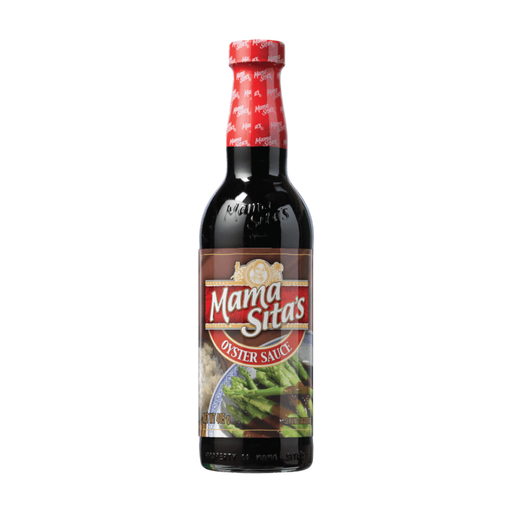
Why This Fits Their Persona: A practical pantry bottle for cooks who want a rich, dark oyster sauce for repeated stir-fries, marinades, vegetables and dumpling dipping sauces.
The label clearly identifies oyster extract and declares molluscs, soy and wheat, helping shoppers avoid assuming that oyster sauce is allergen-free.
405g bottle; includes oyster extract, soy sauce, cane sugar and garlic for a savoury-sweet seasoning base.
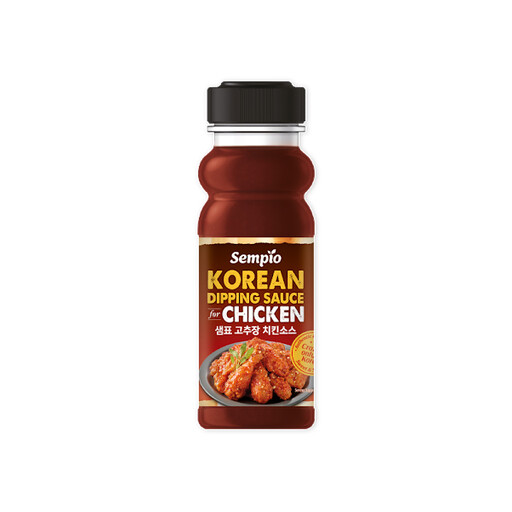
Why This Fits Their Persona: Suited to households that regularly prepare wings, fried chicken, grilled meat or Korean-style rice bowls and want one sauce for coating, dipping and marinating.
Its stated uses make the format easier to match to frequent chicken cooking, rather than buying a generic sauce that may be unsuitable for coating.
Ready to use; contains red pepper paste, garlic, sesame oil and fish sauce for a sweet and savoury coating.
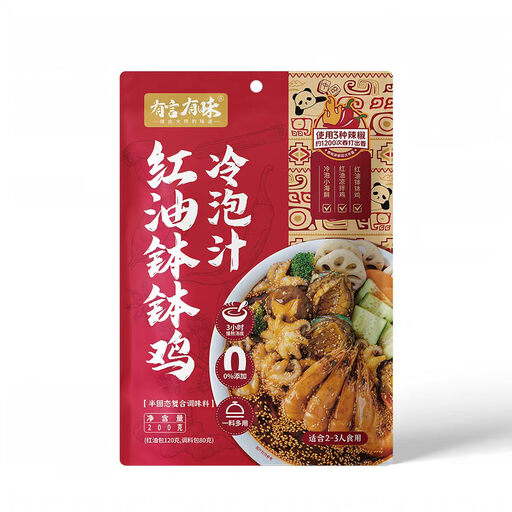
Why This Fits Their Persona: A convenient route into Sichuan-style cold chicken, noodles, tofu and vegetable dishes for cooks who enjoy layered chilli and spice flavours.
The two-part seasoning and red oil format explains how to prepare the dish, reducing guesswork about dilution and portion size.
Makes approximately 350–400g of ingredients; includes Sichuan peppercorn oil, chilli and eight listed spices.
We have compiled a complete, real-time list of products that fully satisfy these strict selection criteria and UK safety regulations.
A ready-to-use Korean chicken sauce, Thai sweet chilli sauce or Kung Pao seasoning can reduce preparation time. Choose according to the flavour you want: sweet and spicy, tangy and savoury, or chilli-led Sichuan seasoning. Always cook marinated chicken thoroughly.
Many bottles and jars should be refrigerated after opening. The exact period varies: some products advise consumption within four weeks, while others specify a different timeframe. Keep the cap tightly closed and follow the storage instructions printed on the packaging.
Use less sauce and extend the dish with unsalted vegetables, noodles, rice, stock or water. Avoid adding soy sauce or salt until tasting the finished dish. Concentrated Chinese sauces, oyster sauce and braising pastes often need to be treated as seasoning rather than a complete liquid base.