
24/7 Customer Support

Free returns

Same-day & Next-day Delivery

Quality Guaranteed
Download the APP
Categories
Stepping into the world of Asian cooking can feel like navigating a library of new flavours. The sauce aisle, in particular, presents a dazzling array of bottles, each promising to be the key to an authentic dish. From rich, savoury marinades to tangy, bright dressings, understanding the core Asian cooking sauces is the first step to transforming your home-cooked meals.
As a Joybuy Product Recommendation Officer, my role is to help you identify the foundational ingredients that offer genuine versatility and flavour. This guide is designed to cut through the clutter, explaining the purpose of key liquid seasonings and highlighting some dependable options to stock your pantry. We will focus on the essentials: cooking wines and vinegars that form the backbone of countless Chinese and Japanese recipes.
Before we look at specific products, let's establish a few principles for choosing the right sauces. These tips will help you make informed decisions, whether you are following a new recipe or restocking your Asian pantry staples.
Many recipes call for a splash of liquid seasoning, but not all are interchangeable.
A quick look at the label can tell you a lot. Traditional sauces often have a simple ingredient list. For cooking wines and vinegars, you should expect to see rice, water, salt and a fermenting agent like wheat or koji. Be mindful of the salt content, as this will affect how much additional salt you add to your dish. Some products are formulated specifically for cooking and are not intended for drinking.
While many sauces are versatile, some are cornerstones of specific cuisines. If you frequently cook Japanese dishes like teriyaki or ramen, mirin is a non-negotiable staple. For classic Chinese stir-fries, red-braised pork, or steamed fish, a quality Chinese cooking wine is fundamental for achieving an authentic flavour profile.
Based on their formulation and versatility in a typical UK kitchen, here are three foundational Asian cooking sauces to consider for your pantry.
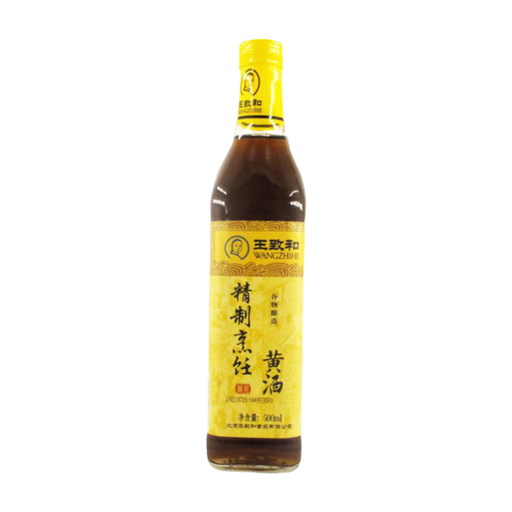
Why It Stands Out: This cooking wine is a workhorse for Chinese cuisine. Formulated specifically for cooking, it excels at removing the gaminess from meats and seafood while imparting a subtle, savoury depth. Its flavour is robust enough to stand up in rich braises and marinades without overpowering other ingredients.
Pros:
Who is it for?
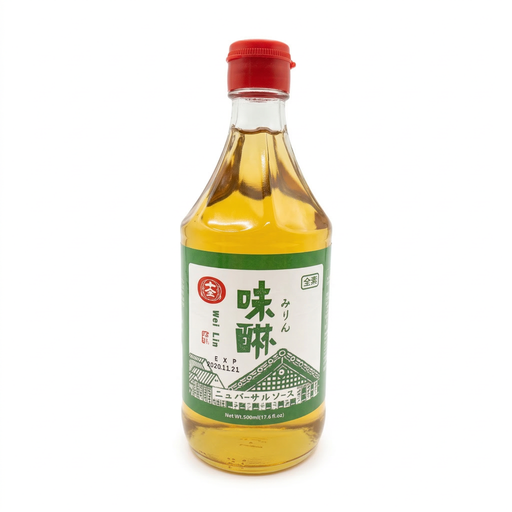
Why It Stands Out: As a classic Japanese sweet cooking wine, this mirin delivers a multi-layered sweetness and a glossy finish to dishes. It is naturally fermented from glutinous rice and rice koji, giving it a mellow, complex flavour that is distinct from simple sugar. It is the secret to the signature lustre and balanced taste of teriyaki sauce.
Pros:
Who is it for?
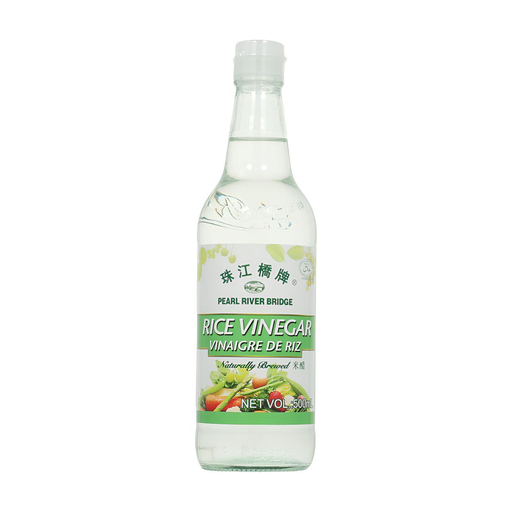
Why It Stands Out: This rice vinegar offers a clean, mild acidity that makes it incredibly versatile. Unlike harsher vinegars, it complements other flavours without dominating them. With a pure ingredient list of just water, rice, and salt, it provides a reliable, refreshing tang for a multitude of applications.
Pros:
Who is it for?
The three sauces above provide a solid foundation for any aspiring cook. However, the world of Asian condiments is vast, with many regional variations and specialised vinegars. If your recipe calls for a specific type of vinegar or you simply wish to explore further, you can find more choices in our broader collection.
️ Explore our full range of 500ml Rice Vinegar options here.
While both are rice-based cooking wines, they serve different purposes. Chinese cooking wine (like Shaoxing wine) is primarily savoury and is used to add depth and remove unwanted odours from meat and fish. Mirin, a Japanese sweet cooking wine, has a much higher sugar content and is used to add sweetness, umami and a glossy sheen to dishes, particularly in glazes and sauces like teriyaki.
It is generally not recommended. Chinese cooking wines are salted and have a specific flavour profile developed for cooking. Using a Western dry white wine or sherry can introduce unintended fruity or acidic notes that may not harmonise well with the other ingredients in a traditional Chinese recipe. For an authentic taste, it is advisable to use a dedicated cooking wine.
Most unopened Asian cooking sauces, including cooking wines and vinegars, should be stored in a cool, dark place like a pantry. After opening, it is good practice to check the label. Vinegars are generally stable at room temperature, but cooking wines and mirin often benefit from being refrigerated to preserve their flavour, especially if you do not use them frequently. Always ensure the cap is tightly sealed.