
24/7 Customer Support

Free returns

Same-day & Next-day Delivery

Quality Guaranteed

Unlock Your Welcome Offers: FREE Delivery | Up to 80% OFF | Free 30-day JoyPlus trial
Download the APP
A well-chosen bottle of Asian cooking sauces can turn noodles, rice, vegetables or leftover chicken into a satisfying meal with little preparation. However, attractive packaging and words such as “authentic”, “natural” or “restaurant-style” do not always tell you whether a sauce suits your cooking habits.
Three common buying traps are worth avoiding:
Consider how you will use the sauce before comparing brands or bottle sizes.
In the UK, the 14 regulated allergens must be clearly emphasised when present in packaged food. For sauces, the most relevant are often soybeans, wheat, peanuts, sesame, fish, crustaceans and molluscs.
Do not assume that “Asian-style” means vegan. Oyster sauce contains molluscs, and some Pad Thai sauces contain dried shrimp. Satay sauces can include peanuts, coconut, soy and wheat, while chilli bean sauces may contain wheat flour alongside broad beans.
For a gluten-free soy sauce, look for a clear gluten-free statement or certification rather than assuming tamari is automatically suitable. Kikkoman Tamari Gluten-Free Soy Sauce, for example, is listed as gluten-free, but it still contains soy. Always check the bottle and current product listing before purchase, especially when managing an allergy or coeliac disease.
Sauces are concentrated seasonings, so nutrition panels can differ considerably. A light soy sauce may contain around 14–17g of salt per 100ml, while some speciality sauces are higher. Chilli sauces can also contain substantial sugar, and satay sauces may be comparatively high in fat because of oil, peanuts or coconut.
Bottle size should reflect usage:
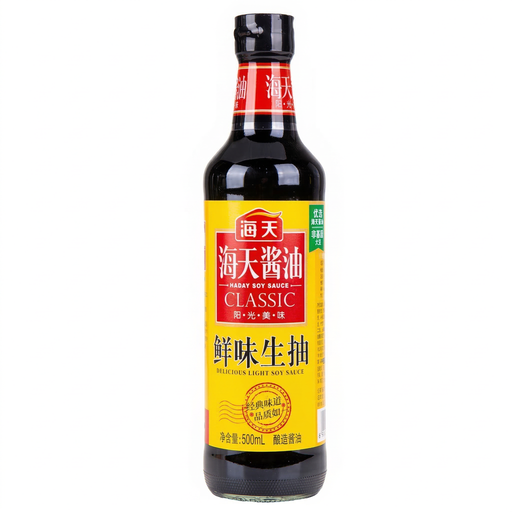
Why This Fits Their Persona: A practical starting point for UK home cooks building a basic cupboard of Chinese condiments for stir-fries, dipping and marinades.
The 500ml format offers useful everyday capacity without committing to a large catering-size bottle. The label identifies wheat and soy allergens clearly.
Made in China; suitable for stir-frying, cold dishes, dipping and marinating.
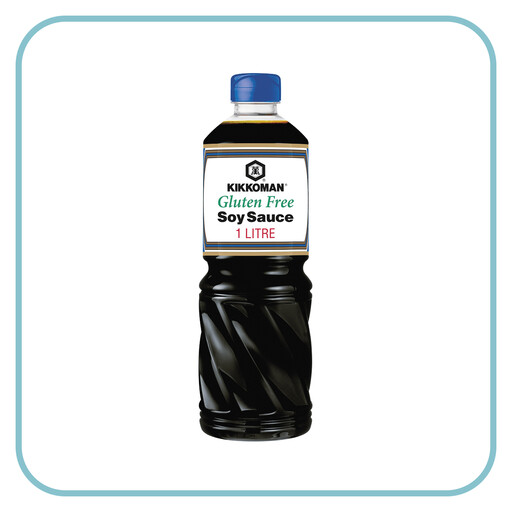
Why This Fits Their Persona: Suits frequent cooks who want a large-format seasoning for salads, soups, dips, marinades and vegetable stir-fries.
The product information states gluten-free certification and lists soy as the allergen, making the dietary suitability easier to assess than an unclear label.
One-litre bottle; made with soybeans, salt, water and spirit vinegar according to the listing.
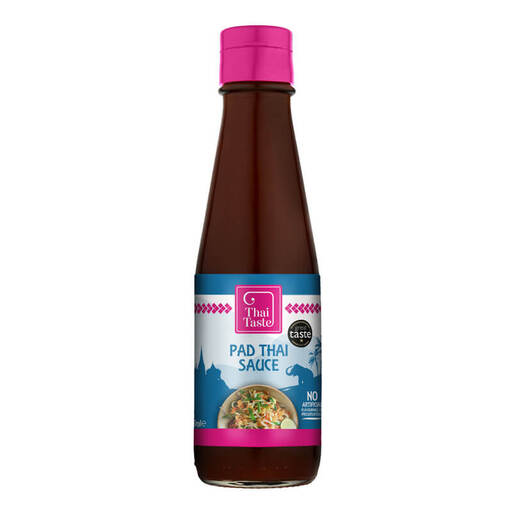
Why This Fits Their Persona: Designed for shoppers who regularly prepare Thai noodles and want a measured shortcut rather than mixing tamarind, sugar and seasoning separately.
The usage guidance gives a clear serving reference, helping reduce guesswork. The allergen list includes crustaceans, soy, gluten and peanuts, so it should not be assumed vegan.
Made in Thailand; combines sweet, sour and salty flavours for Pad Thai and noodle dishes.
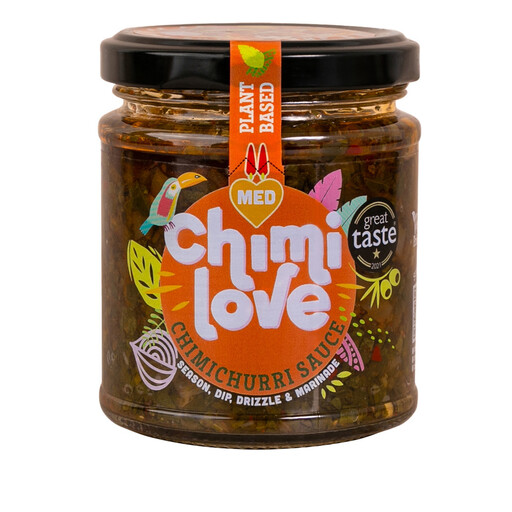
Why This Fits Their Persona: A useful choice for cooks exploring international flavours beyond Malaysian sauces, Thai sauces and Chinese condiments, particularly with grilled vegetables and salads.
The listing identifies it as gluten-free, vegetarian and vegan, with no listed allergens. Check the jar if cross-contamination is a concern.
Includes parsley, jalapeños, garlic, apple vinegar and extra virgin olive oil; suitable for grilled food, vegetables and salads.
We have compiled a complete, real-time list of products that fully satisfy these strict selection criteria and UK safety regulations.
A light soy sauce is a flexible starting point for seasoning vegetables, noodles, rice and marinades. Add a separate chilli sauce if you prefer heat or oyster sauce for a thicker savoury finish. Avoid adding several salty sauces at once until you have tasted the dish.
Storage depends on the product. Many sauces should be refrigerated after opening, while some chilli sauces can be kept in a cool place according to their label. Follow the manufacturer’s instructions, use clean utensils and discard products showing mould, unusual odour or unexpected texture changes.
Some are, but suitability is product-specific. Look for vegan or vegetarian labelling and check for soy, wheat, fish, crustaceans, molluscs and peanuts. A gluten-free soy sauce should have a clear statement or certification. Always confirm the current packaging before consuming.