
24/7 Customer Support

Free returns

Same-day & Next-day Delivery

Quality Guaranteed

Unlock Your Welcome Offers: FREE Delivery | Up to 80% OFF | Free 30-day JoyPlus trial
Download the APP
Choosing Asian cooking sauces and seasonings can be difficult when supermarket shelves and online listings use broad terms such as “authentic”, “traditional” or “restaurant-style”. A bottle may suit a stir-fry but be unsuitable for sushi, steaming fish or dipping. The right choice depends on flavour, ingredients, intended use and storage—not just the country shown on the label.
This guide explains the main buying traps and highlights practical options for UK kitchens, from Thai sauces and Chinese sauces to Japanese sauces, pastes and seafood condiments.
Oyster sauce, fish sauce, grilled eel sauce and sushi seasoning each perform different jobs. Oyster sauce is usually thick, sweet-savoury and suited to stir-fries or marinades. Fish sauce is thinner, intensely salty and commonly used in Thai curries, soups and dipping sauces. Japanese grilled eel sauce is a sweet glaze, while sushi seasoning is a prepared mixture of vinegar, sugar and salt for rice.
Buying a large bottle without checking its primary use can leave you with a sauce that does not match your regular meals.
Traditional-style products may contain ingredients that are important to their flavour but unsuitable for some diets. Common allergens across Asian condiments include fish, shellfish, molluscs, soya and wheat gluten. Some sauces also contain sugar, flavour enhancers, preservatives or colourings.
Always check the current packaging, especially if you are cooking for someone with an allergy or following a halal, vegetarian or gluten-free diet. Product descriptions can change, and packaging remains the most up-to-date source.
Many concentrated seasonings are designed to be used sparingly. For example, the listed nutrition information for Thai Taste Fish Sauce shows 17.7g of salt per 100ml, while several steamed fish sauces also have a high salt content. This does not make them unsuitable as culinary ingredients, but it does mean portion control matters.
Storage is another overlooked issue. Some products can remain in a cool cupboard before opening but require refrigeration after opening. A large bottle may offer a lower cost per millilitre, yet waste money if you use it only occasionally.
Consider whether you need a finishing sauce, cooking base or seasoning paste.
A ready-to-use sauce saves preparation time, while a concentrated paste gives you more control over the final dish.
For occasional cooking, a 100–250ml bottle or tub is often easier to finish while it is at its preferred quality. Regular cooks may find a 410–850ml bottle more practical, particularly for oyster sauce or steamed fish sauce used several times a week.
Check whether the quantity is shown in grams, millilitres or both. Thick sauces such as oyster sauce are commonly sold by weight, whereas pourable sauces are usually measured by volume.
Read beyond the front label. Check for:
For example, the listed Kikkoman Gluten Free Sushi Sauce uses gluten-free soy sauce, while Obento Sushi Seasoning is a rice-vinegar-based product designed for sushi rice. These are different products for different tasks, even though both may appear in a Japanese sauces search.
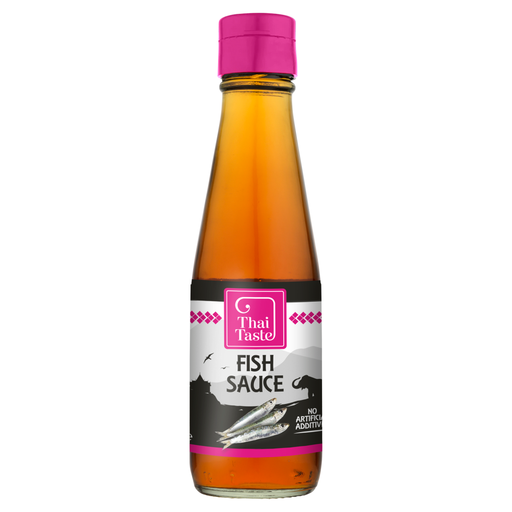
Why This Fits Their Persona: A compact starting point for UK cooks building a Thai pantry and learning how a small amount of fish sauce changes stir-fries, curries and dipping sauces.
The 200ml size limits waste compared with a bulk bottle, while the simple ingredient list makes its intended use clear.
Ready to use; made with anchovies, water, salt and sugar; suitable for marinades, soups and finishing.
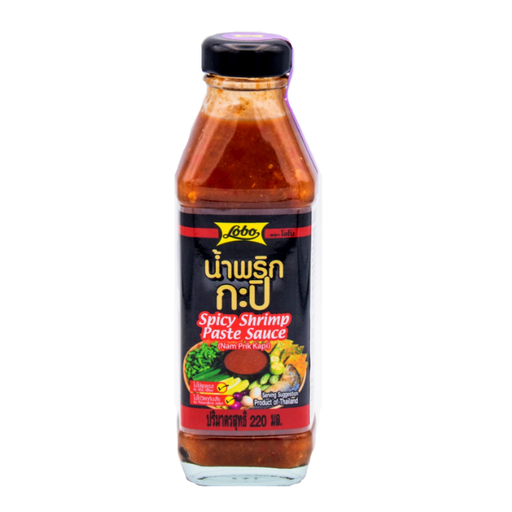
Why This Fits Their Persona: Suitable for cooks seeking a prepared Thai condiment with chilli, garlic, lime and shrimp paste for vegetables, rice and seafood.
It is ready to eat, so you do not need to buy several separate ingredients to create a dipping sauce.
Made in Thailand; contains 22% shrimp paste and 7% dried shrimp; listed as halal-certified and free from added MSG or preservatives.
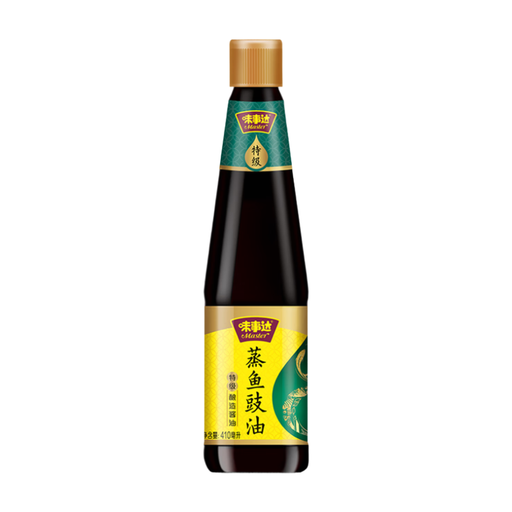
Why This Fits Their Persona: A practical choice for frequent seafood meals, particularly steamed fish, blanching, marinades and dipping.
Its product description states the use case clearly, avoiding confusion between a finishing sauce and a general soy sauce.
Ready to use; supplied in a 410ml bottle; suitable for steaming fish, marinating, dipping and other seafood dishes.
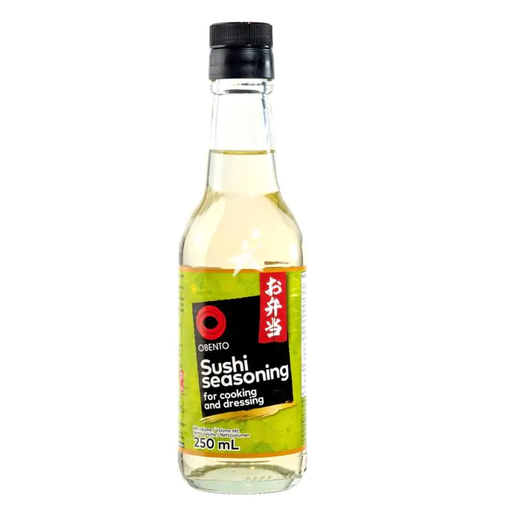
Why This Fits Their Persona: Designed for homemade sushi rice, onigiri and rice bowls when convenience matters on busy weekday evenings.
It is a dedicated sushi seasoning rather than a sweet dipping sauce, with instructions for mixing into warm rice.
Contains rice vinegar, sugar and salt; the listed guidance suggests 20–25ml per 200g of uncooked rice.
We have compiled a complete, real-time list of products that fully satisfy these strict selection criteria and UK safety regulations.
For Chinese-style meals, compare oyster sauce with steamed fish sauce according to the dish. Oyster sauce works well in stir-fried greens, noodles and marinades, while products such as Chu Bang Steamed Fish Soy Sauce are intended to be drizzled over cooked fish or seafood.
For Japanese dishes, grilled eel sauce provides a sweet soy-based glaze for eel, fish, chicken, tofu or vegetables. Pair it with sushi seasoning only when you need to prepare rice; neither product replaces the other.
For a spicy seafood meal, Hao Ren Jia Seasoning for Boiled Fish provides chilli, Sichuan pepper, fermented black beans, garlic and ginger in a cooking kit. If you prefer a dry coating for fried fish, Shan Masala Fish Seasoning is a separate type of product with a spice-blend format.
A small bottle of fish sauce, a medium oyster sauce and a chilli sauce cover several common uses, including stir-fries, marinades and dipping. Add sushi seasoning if you regularly prepare Japanese rice dishes. Choose shrimp paste only if you enjoy strong fermented seafood flavours and have checked the shellfish information.
Follow the label for each product. Many sauces can be stored in a cool, dry cupboard before opening, but shrimp paste, some oyster sauces and specialist seafood dipping sauces commonly require refrigeration once opened. Keep the cap tightly closed and use clean utensils to reduce contamination.
It may offer a lower price per 100ml, but only if you use it regularly before its recommended storage period. Compare the pack size, opening instructions, salt and sugar levels and the number of recipes you expect to prepare. For occasional cooks, a smaller bottle can provide better value by reducing waste.