
24/7 Customer Support

Free returns

Same-day & Next-day Delivery

Quality Guaranteed

Unlock Your Welcome Offers: FREE Delivery | Up to 80% OFF | Free 30-day JoyPlus trial
Download the APP
Navigating the world foods aisle for authentic Asian cooking sauces can feel overwhelming. With countless bottles promising genuine flavour, it's easy to end up with a pantry full of condiments that don't quite deliver. Many home cooks in the UK find themselves disappointed by sauces that are either too sweet, too salty or simply lack the complex taste promised on the label.
As the Joybuy Product Recommendation Officer, my role is to help you see past the marketing and focus on what truly matters in a good sauce. Before you add another bottle to your basket, let's look at the common pitfalls that lead to wasted money and lacklustre meals.
To ensure you're buying a product that will elevate your cooking, focus on a few core parameters. Understanding these will help you select the right Chinese cooking sauces, Korean condiments or Japanese staples with confidence.
Not all soy sauce is created equal. The method of production has a significant impact on its flavour and how it performs in your cooking.
A staple in Cantonese cooking, oyster sauce should deliver a rich, savoury and slightly sweet flavour. The key indicator of quality is the oyster extractive percentage.
A higher percentage generally means a more intense and genuine oyster flavour. Lower-quality sauces often compensate with more salt, sugar and flavour enhancers (like MSG). When choosing an oyster sauce from brands like Lee Kum Kee, checking the ingredients for the proportion of oyster extract can give you a good clue about its quality and depth of flavour.
Beyond the basics, certain condiments have unique profiles for specific uses:
Instead of a generic list, we've matched our recommendations to the specific needs of UK home cooks.
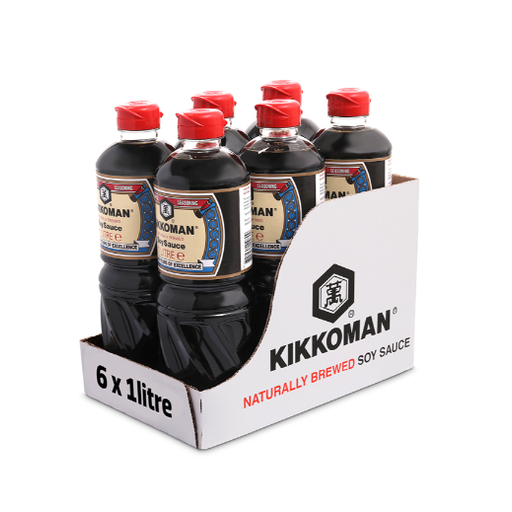
Why This Fits Their Persona: For the family that regularly enjoys stir-fries, marinades and home-cooked Asian meals, this bulk-buy option offers excellent value. It provides a consistent, high-quality staple that removes the guesswork from weekly shopping.
This is a naturally brewed soy sauce made from just four pure ingredients. It completely avoids the "filler" trap of cheaper, chemically produced alternatives, delivering genuine umami flavour rather than just saltiness.
Deep, complex flavour from traditional fermentation. The 1L bottle is ideal for refilling smaller dispensers and is great value for frequent users.

Why This Fits Their Persona: For the cook who wants to perfectly replicate Japanese dishes like takoyaki, okonomiyaki or a katsu sando, this is a non-negotiable ingredient. It offers a flavour and texture that standard mayonnaise simply cannot match.
This product sidesteps the "misleading authentic label" trap by being a genuinely specific and iconic Japanese condiment. It is not a generic sauce; its unique character comes from using only egg yolks for a richer, creamier result.
Noticeably richer and more luxurious texture than standard mayonnaise. The soft, squeezable bottle allows for precise application, perfect for decorative drizzles.
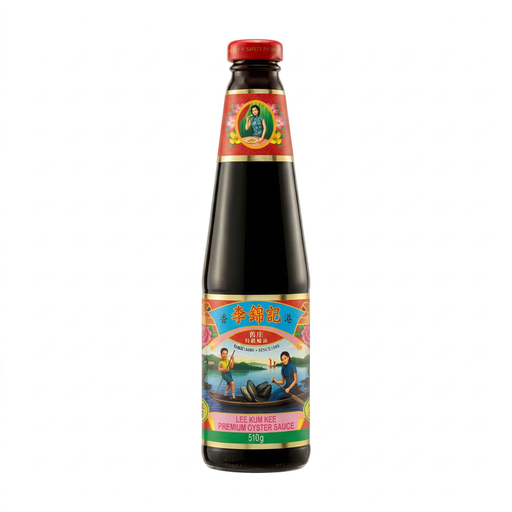
Why This Fits Their Persona: Anyone serious about making authentic Chinese stir-fries, noodle dishes or marinades needs a reliable oyster sauce. This premium version from a heritage brand provides the savoury depth that is essential for dishes like beef with broccoli or kai-lan.
This sauce avoids the "filler" trap by being made with a high-quality oyster extract. Its rich, savoury flavour means a little goes a long way, unlike cheaper, watery alternatives that rely heavily on sugar and salt for taste.
Delivers a rich and complex umami flavour that forms the backbone of many Chinese dishes. It's a versatile ingredient for stir-frying, glazing and marinating.
We have compiled a complete, real-time list of products that fully satisfy these strict selection criteria and UK safety regulations.
This is a common point of confusion. Think of them as two different tools for your kitchen.
Most sauces contain a high amount of salt or vinegar, which act as natural preservatives. However, to maintain their flavour and quality, it is recommended to refrigerate them after opening. A bottle of soy sauce, oyster sauce, or hoisin sauce will typically last for at least 3-6 months in the fridge. Always check the product label for specific storage instructions.
Yes, in most cases you can. Many teriyaki marinades are formulated to be versatile. Thicker marinades work well as a glaze for grilled meats, while thinner ones can be used directly as a dipping sauce. If you find a marinade too thick for dipping, you can thin it out with a small amount of water or mirin.